How to Spot Counterfeit Vintage Firearms
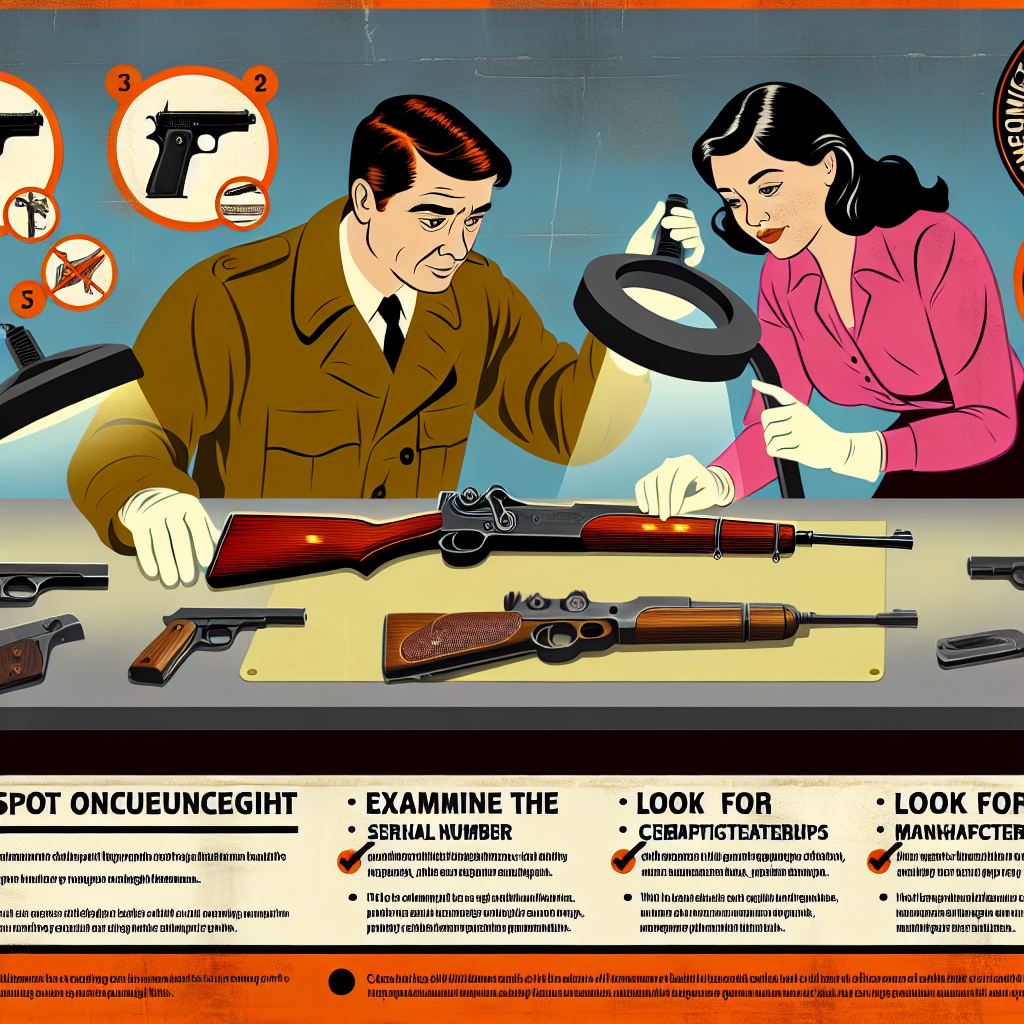
The allure of vintage firearms lies not only in their historical significance but also in their craftsmanship and rarity. Collectors and enthusiasts alike seek out these treasures, often paying premium prices for authentic pieces. However, the high demand and value of vintage firearms have led to an increase in counterfeit and altered guns flooding the market. Identifying these fakes is crucial to protect your investment and ensure the preservation of firearm history.
This comprehensive guide will help you recognize counterfeit vintage firearms by highlighting key indicators, sharing expert tips, and presenting real-world examples. Whether you’re a seasoned collector or a novice buyer, understanding how to spot fraudulent pieces will empower you to make informed decisions.
Understanding the Appeal and Risks of Vintage Firearms
Vintage firearms encompass a broad range of weapons produced primarily before World War II, including revolvers, rifles, and shotguns with significant historical backgrounds. Collectors prize them for various reasons:
- Historical value: Many were used in significant battles or belonged to notable figures.
- Craftsmanship: Older manufacturing techniques often resulted in unique design features.
- Investment potential: Rarity can drive up prices over time.
However, the market’s lucrative nature makes it a target for counterfeiters who employ sophisticated methods to create convincing replicas or altered originals. According to a report by the Bureau of Alcohol, Tobacco, Firearms and Explosives (ATF), over 10% of all firearms submitted for verification annually are found to be fraudulent or modified beyond legal limits.
This reality poses risks not only financially but also legally—owning certain counterfeit firearms can lead to regulatory complications. Therefore, being equipped with knowledge about spotting counterfeits is essential for anyone involved in vintage firearm transactions.
Key Indicators of Counterfeit Vintage Firearms
Spotting a fake vintage firearm requires careful examination of various physical characteristics and provenance. Here are some critical aspects to scrutinize:
1. Examine Markings and Serial Numbers
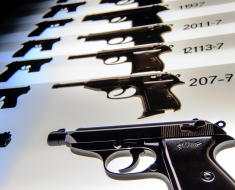
Authentic vintage firearms carry specific markings that denote manufacturer details, proof marks, serial numbers, and sometimes dates. Counterfeiters may attempt to replicate these but often fall short in accuracy or consistency.
- Inconsistent Fonts or Stamping Depth: Genuine markings are typically uniform with precise engraving; uneven depth or blurry fonts indicate tampering.
- Mismatched Serial Numbers: Serial numbers should match documentation and be consistent across parts when applicable.
- Incorrect Proof Marks: Proof marks vary by country and era; unfamiliar symbols or locations suggest forgery.
Example: A Colt Single Action Army revolver from the late 19th century features distinct “Colt’s Patent” markings with consistent font size on its frame. A counterfeit might display similar text but with irregular engraving depth or incorrect spelling.
2. Analyze Metalwork and Wood Components
The quality of metal finishes and wooden grips can reveal much about a firearm’s authenticity:
- Finish Wear Patterns: Genuine antiques show natural aging such as patina or wear consistent with use; artificial aging often appears unnatural or uneven.
- Mismatched Materials: Replacement parts using modern materials or mismatched wood grains indicate alterations.
- Poor Craftsmanship Details: Rough edges, tool marks inconsistent with period manufacturing hint at recent fabrication attempts.
A well-known case involved forged Luger pistols where modern steel was used instead of appropriate early 20th-century alloys; under microscopic inspection, the metal lacked expected grain patterns typical of that period’s production methods.
3. Verify Provenance and Documentation
The history behind a firearm can validate its authenticity if properly documented. Key points include:
- Ownership History: Receipts, previous auction records, or collector notes help trace origins.
- Museum Certifications: Some vintage guns come with appraisals from recognized institutions or experts.
- Lack of Paper Trail: Absence of provenance increases risk—especially for high-value items claiming exceptional rarity.
The story behind any firearm should be scrutinized carefully—fabricated histories are common among counterfeiters trying to justify questionable items’ legitimacy.
The Role of Technology in Detecting Counterfeits
The advancement of technology has become instrumental in identifying counterfeit firearms beyond visual inspection alone. Experts now utilize several scientific methods for authentication purposes:
X-Ray Fluorescence (XRF) Analysis
XRF devices allow non-destructive testing to determine the elemental composition of metals used in firearms. Authentic vintage guns contain specific alloy compositions reflective of their manufacturing era—modern replicas might differ significantly.
Dendrochronology for Wooden Parts
This technique analyzes tree ring patterns in wooden grips or stocks to estimate age accurately. If wood dates from decades after the claimed manufacturing date, it raises red flags about authenticity.
Microscopic Examination
A close-up inspection under microscopes reveals details such as tool marks left by period-appropriate machinery versus modern tools used in counterfeiting attempts.
Differences here can be subtle, making it essential for collectors to work with experienced appraisers who can identify these nuances. By employing these advanced techniques, collectors can better protect themselves from the risks associated with counterfeit vintage firearms.