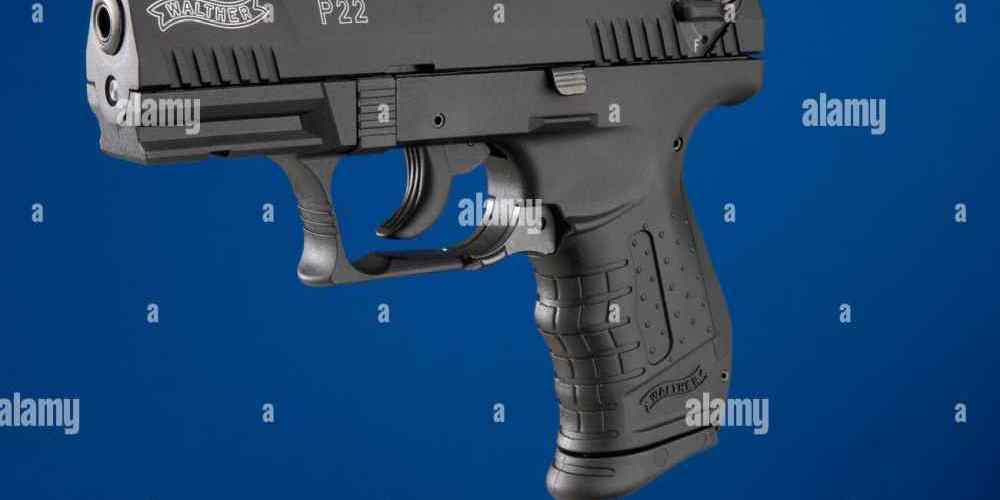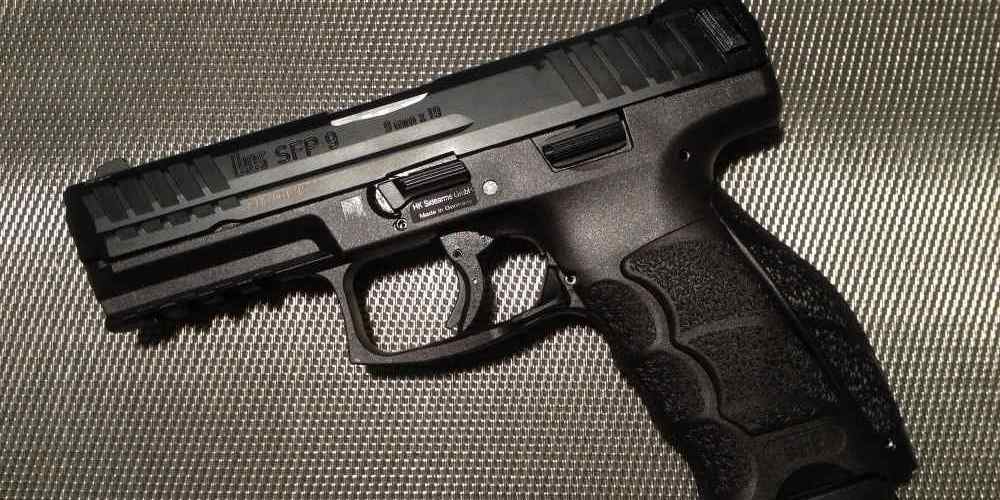
The recoil spring is one of the smallest parts in a handgun, but it has an outsized effect on how the pistol feels, cycles, and lasts. Many owners focus on sights, triggers, magazines, and ammunition, yet overlook the spring that quietly absorbs the force of every shot. Understanding it can improve reliability, reduce malfunctions, and help you maintain your firearm the right way.
Why Recoil Springs Matter More Than You Think
A handgun recoil spring does more than just “push the slide forward.” It manages the energy created when a round is fired, helping slow the slide, chamber the next cartridge, and keep the pistol operating within its intended design. When the spring is too weak, the slide can batter the frame harder than it should. When it is too strong, the pistol may short-cycle or fail to feed properly. In a very real sense, the recoil spring is part of the handgun’s balance system.
Many modern semi-automatic pistols use a carefully tuned spring rate chosen by the manufacturer to match slide mass, barrel design, caliber, and standard ammunition pressure. That is why swapping to an aftermarket spring without understanding the platform can cause more problems than it solves. A spring that works beautifully with one load may behave differently with another, especially if you shoot light target ammo, full-power defensive loads, or suppressed rounds. Responsible owners learn that reliability is not just about the firearm itself, but about how all the components work together.
Historically, recoil springs have evolved alongside handgun design. Early service pistols often used simple, robust systems, while newer designs rely on more refined engineering to control recoil impulse and improve durability. The secret many owners never learn is that recoil springs are consumable parts, not lifetime parts. Like magazines, extractor springs, and firing pin springs, they wear over time and should be treated as maintenance items rather than forgotten hardware.
The Simple Test That Reveals Spring Wear Fast
One of the easiest ways to spot a tired recoil spring is through careful observation of how the handgun cycles during normal use. If the slide feels unusually harsh when returning to battery, if you notice increased brass ejection distance, or if feeding becomes inconsistent with ammunition that used to run well, the spring may be losing tension. None of those signs prove the spring is bad by themselves, but together they can point to wear that deserves attention.
A practical field check is to compare the slide’s feel against known-good performance. With the firearm unloaded and verified safe, manually rack the slide and pay attention to resistance and return speed. On many pistols, a healthy recoil spring produces a smooth, firm return without feeling sluggish or overly aggressive. If the slide slams forward with noticeably less control than before, or if it hesitates and feels weak, that change can be a useful clue. The key is to compare your firearm to its own previous behavior, not to guess based on feel alone.
For a more reliable assessment, combine that manual check with round-count tracking. Many experienced shooters replace recoil springs at regular intervals, often before obvious problems appear, because springs can fatigue gradually. Exact replacement intervals vary by model and caliber, so the best approach is to follow the manufacturer’s guidance and keep records of how many rounds the spring has absorbed. Responsible gun ownership means preventing malfunctions before they happen, and the recoil spring is one of the simplest parts to stay ahead of.
The recoil spring may not be the most glamorous part of a handgun, but it is one of the most important. Owners who understand its role gain a real advantage in reliability, longevity, and confidence at the range or in defensive use. A little attention to this small component can prevent larger problems down the road.
If you want your handgun to perform as intended, inspect the recoil spring regularly, replace it on schedule, and always use quality parts that match your specific firearm. Safe handling, proper maintenance, and respect for the engineering behind your pistol are what separate casual ownership from truly responsible ownership.