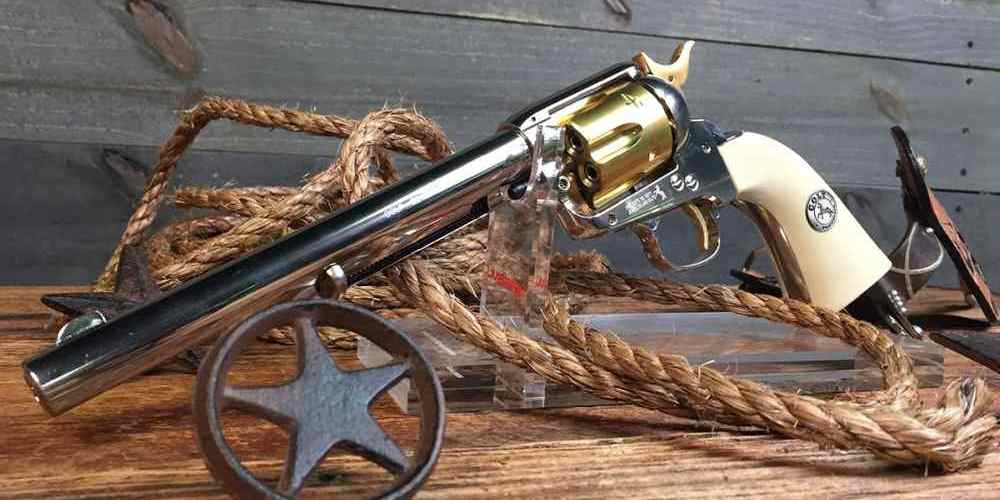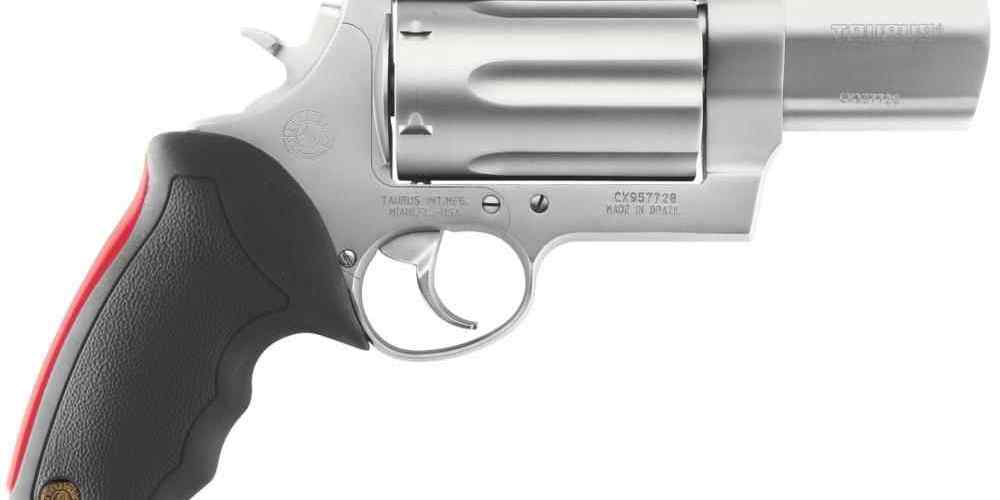
Lead fouling is one of the most stubborn problems handgun owners face, especially in barrels that see a lot of cast bullets, high round counts, or older designs with tighter tolerances. The good news is that the right cleaning method can remove lead faster without turning maintenance into an all-night project. By understanding what causes lead to cling to steel, you can choose tools and solvents that work with the fouling instead of just against it. Responsible firearm care is part of responsible ownership, and a cleaner barrel is a safer, more reliable one.
Fast Lead Removal for Handgun Barrels
Lead buildup usually starts when soft lead bullets leave tiny deposits in the bore, often worsened by heat, pressure, poor bullet fit, or insufficient lubrication. In handguns, this can show up quickly in the forcing cone, rifling edges, and throat area. Over time, the buildup narrows the bore, raises pressures, and can degrade accuracy, so removing it efficiently matters for both performance and safety. Older revolvers, compact semiautos, and barrels that have seen a steady diet of lead projectiles are especially likely to need this kind of maintenance.
The fastest method for removing lead is usually a combination of a chemical lead remover and a dedicated mechanical tool, rather than endless dry brushing. Many experienced shooters use a solvent designed to soften or loosen lead, then follow with a tight-fitting Lewis Lead Remover, a copper chore boy-style pad wrapped on a brush, or a properly sized bronze brush. The point is to break the bond between lead and steel, not just polish the barrel repeatedly. Once the fouling starts lifting, patches and a bore brush can finish the job much faster than scrubbing alone.
A practical workflow begins with verifying the firearm is unloaded, field stripping according to the manufacturer’s instructions, and protecting the finish around the barrel. Apply a lead-removing solvent and let it dwell for the recommended time so it can do some of the work for you. Then use short, controlled passes with the mechanical tool, checking progress often with good light. This approach is usually quicker than aggressive brushing from the start, and it reduces the risk of unnecessary wear on the bore.
Safer Cleaning Steps That Cut Scrubbing Time
Speed should never come at the expense of safety. Before cleaning, confirm the handgun is unloaded, remove ammunition from the workspace, and wear gloves and eye protection, especially if you are dealing with lead residue or strong solvents. Cleaning should happen in a well-ventilated area, because solvent vapors and airborne residue are not something to take lightly. Good habits here protect both the shooter and everyone else in the home or shop.
A cleaner that saves time is one that is used correctly. Start with the least aggressive tool that will work, and use a bore guide or careful rod alignment when possible to avoid damaging the crown or chamber. For many handguns, a quality bronze brush, patches, and a lead-specific solvent are enough for routine maintenance, while severe fouling may call for a lead remover cloth or specialized tool. Letting the chemistry do part of the job often means fewer passes with the brush and less chance of over-scrubbing delicate surfaces.
It also helps to prevent heavy lead fouling before it starts. Use properly sized bullets, maintain good lubrication where applicable, and inspect your firearm after shooting sessions so buildup is caught early. Some shooters keep a record of ammunition type and round count to spot patterns in fouling, which can help identify whether the issue is the load, the barrel, or the cleaning interval. In the long run, the fastest cleaning method is the one that reduces how much lead you have to remove in the first place.
The most effective handgun lead-removal method is not brute force; it is a smart combination of solvent, the right tool, and careful technique. When you let the cleaner work, use safe handling habits, and address fouling before it becomes severe, you can cut scrubbing time dramatically. That saves wear on the firearm and makes maintenance more manageable for everyday gun owners. For anyone serious about responsible firearm care, a faster lead-removal routine is really a better routine.