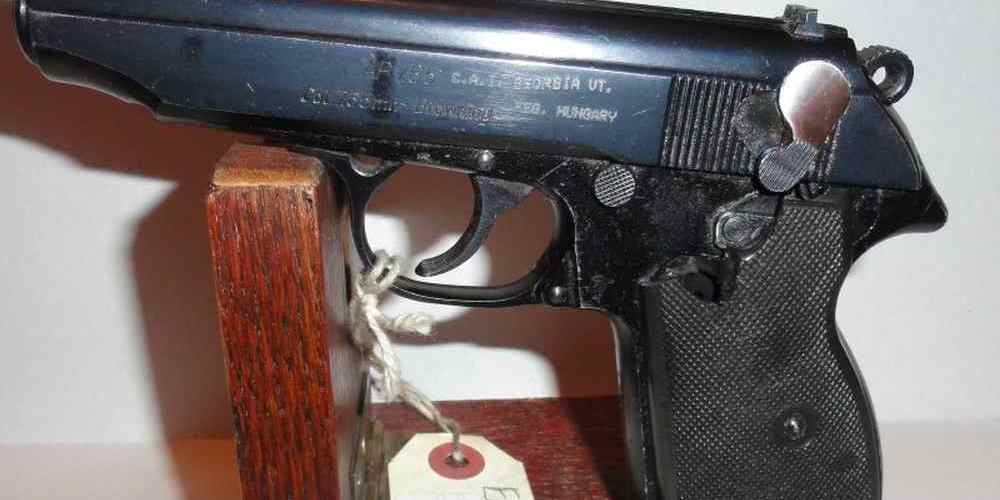
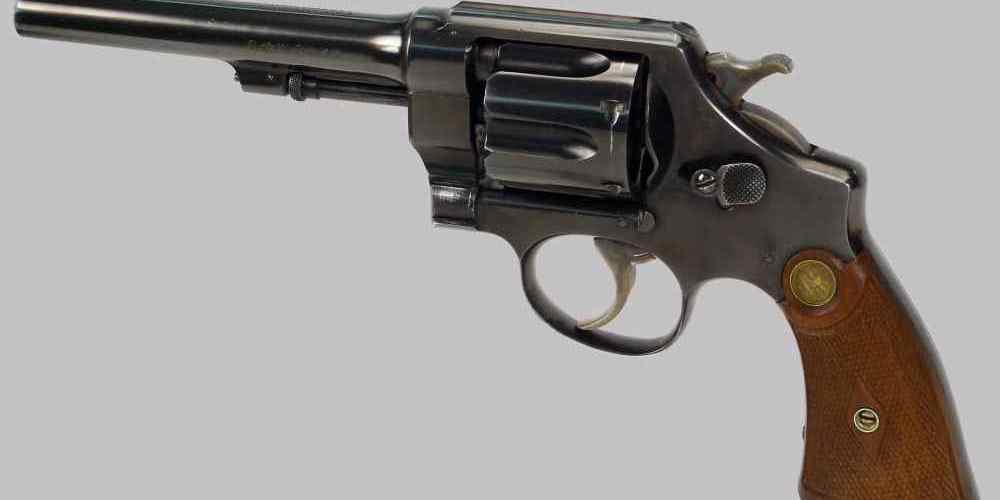
A handgun that feels gritty, sticky, or unusually stiff when you rack the slide can be frustrating, especially when you want your firearm to run smoothly and reliably. In most cases, rough charging is not a sign of a serious problem, but it is a signal that something in the system needs attention—whether that is lack of lubrication, tight tolerances, dirty internals, or worn parts. Understanding why it happens is the first step toward fixing it safely and keeping your handgun dependable for training, home defense, or range use.
Why Handgun Charging Feels Rough at Times
A rough slide charge often starts with friction. Handguns are designed with moving metal parts that must cycle under spring pressure, and when those parts are dry, dirty, or mismatched, the slide can feel noticeably resistant. New pistols especially may feel tight because the machining surfaces have not fully worn in yet, and that can make the first several hundred rounds or manual cycles feel more demanding than expected.
Another common cause is fouling and debris. Powder residue, carbon buildup, old lubricant, pocket lint, and dust can collect on the rails, barrel hood, recoil spring assembly, and inside the slide. Even a small amount of grit can create a dragging sensation. This is one reason many experienced shooters clean and inspect their pistols regularly rather than waiting until malfunctions appear.
Magazine and spring-related issues can also affect how the slide feels when charging. A strong recoil spring, an improperly seated magazine, or a damaged magazine spring can make the action feel heavier or less smooth than it should. In some cases, aftermarket parts or an incorrect recoil spring weight can change the feel dramatically, which is why using compatible, quality components matters for both performance and safety.
Simple Fixes for a Smoother Slide Charge
The most basic fix is a proper cleaning and lubrication routine. Start by following the manufacturer’s safety procedures: unload the firearm completely, visually and physically verify that it is empty, and work in a safe area. Clean the slide rails, barrel exterior, chamber area, and recoil spring assembly according to the manual, then apply a light, appropriate lubricant to the recommended contact points. Too little lubricant can cause drag, but too much can attract dirt and create its own problems.
Next, inspect the parts that move and lock together. Look for burrs, rough edges, or obvious wear on the rails, barrel lug, and slide interface. If a handgun is brand new, some slight stiffness can be normal and may improve after a proper break-in period with quality ammunition and routine cleaning. If the roughness is severe, persistent, or accompanied by failures to return to battery, it is wise to consult a qualified gunsmith rather than forcing the issue.
Finally, consider the recoil spring and magazine condition. Springs lose performance over time, especially in pistols that are carried frequently or stored loaded for long periods. A worn recoil spring can change slide behavior, while a damaged or weak magazine spring can create feeding resistance that feels like a rough charge. Using factory-recommended parts, replacing consumables on schedule, and testing function at the range are all smart habits for responsible gun owners who want consistent, reliable operation.
A rough-feeling handgun charge is usually the result of friction, fouling, spring tension, or worn components—not a mystery and not something to ignore. With careful cleaning, correct lubrication, routine inspection, and attention to spring condition, most pistols can be restored to smooth, dependable operation. As always, handle firearms safely, follow the manufacturer’s guidance, and seek professional help when a problem goes beyond basic maintenance.