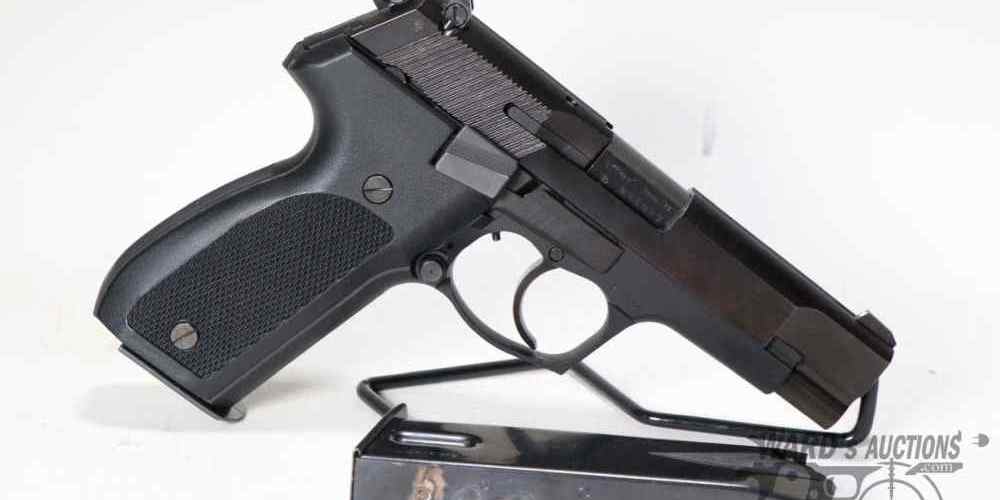
The handgun grip safety is one of those features that can quietly make a big difference in how a pistol feels and performs, yet it is also one of the most commonly misunderstood. Many shooters focus on trigger pull, sights, recoil springs, or magazine capacity, while overlooking the subtle relationship between the grip safety and the way the pistol interfaces with the hand. When it is properly adjusted or properly fit, it can improve comfort, consistency, and confidence without compromising safety.
For responsible gun owners, the goal is never to bypass safety features, but to understand them well enough to make sure they function as intended. A grip safety that engages too easily, too stiffly, or inconsistently can affect control and reliability, especially under stress or during extended practice. On the other hand, when the safety is matched to the shooter’s grip and the firearm’s design, it can become nearly invisible in use—exactly how a good safety feature should be.
This is especially relevant for anyone who carries a handgun for self-defense, relies on one for duty use, or simply wants a range pistol that handles predictably. Historical designs, modern manufacturing tolerances, and individual hand size all influence how a grip safety behaves. Understanding the adjustment most shooters overlook can help owners make smarter choices, improve handling, and stay focused on safe, legal, and responsible firearm use.
Why Grip Safety Adjustment Gets Missed
The grip safety is often taken for granted because it is a passive device. Unlike a manual thumb safety or decocker, it does not require a separate action from the shooter in the same obvious way. Because of that, many owners assume that if the gun fires when gripped, everything is fine. But “working” and “working well for the individual shooter” are not always the same thing, and that distinction matters.
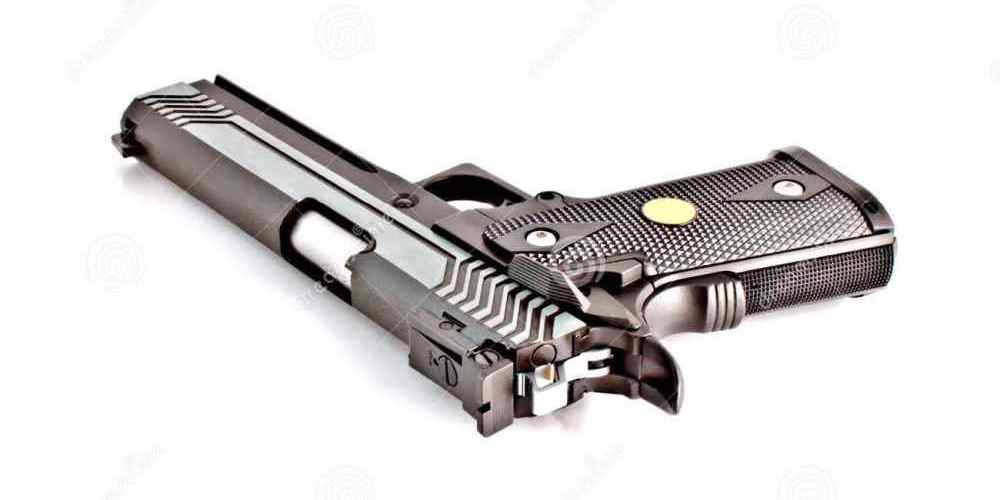
A common reason it gets missed is that shooters tend to prioritize visible upgrades. They may replace sights, install a new trigger shoe, or add a red dot, while never evaluating whether the grip safety’s engagement point suits their hand shape and grip pressure. On some pistols, especially 1911-pattern handguns, the grip safety’s relationship to the web of the hand can vary enough that a small adjustment in fit makes a noticeable difference in how naturally the gun sits under recoil.
Historically, grip safeties were designed to add an extra layer of protection against accidental discharge, especially during the era when pistols were carried in less standardized holsters and handled with varying levels of training. Modern shooters often inherit that design without understanding the original intent. As a result, they may either ignore the safety altogether or try to disable it in pursuit of a “cleaner” feel, which is not a responsible solution. A better approach is to ensure the grip safety is functioning correctly and that the handgun fits the shooter’s hand in a way that supports both safety and control.
A Safer Fit for Better Handgun Control
A well-adjusted grip safety can improve control in ways that are easy to underestimate. If the safety depresses reliably with a normal, repeatable firing grip, the shooter can focus on sight alignment, trigger control, and recoil management without distraction. A pistol that feels secure in the hand also tends to point more naturally and return to target more consistently, especially during controlled pairs or rapid but deliberate range practice.
For many shooters, the most overlooked “adjustment” is not a mechanical modification but a fit evaluation. Before altering any firearm, it is wise to verify the pistol is unloaded and safe, then examine how the safety engages with a full firing grip. If the web of the hand fails to depress the safety consistently, the issue may be grip technique, hand size, backstrap shape, or the dimensions of the safety itself. In some cases, a qualified gunsmith can assess the fit and make lawful, manufacturer-appropriate adjustments. That is preferable to improvised changes that could compromise reliability or void warranties.
From a practical standpoint, a safer fit also means more confidence under realistic conditions. Gloves, sweat, cold weather, or a rushed presentation from a holster can change how the hand contacts the frame. Shooters who test their handgun with the same gear and conditions they actually use are more likely to spot problems before they matter. Responsible ownership means treating these details seriously: confirm proper function, seek professional help when needed, and test any change thoroughly at the range before relying on it for defense or field use.
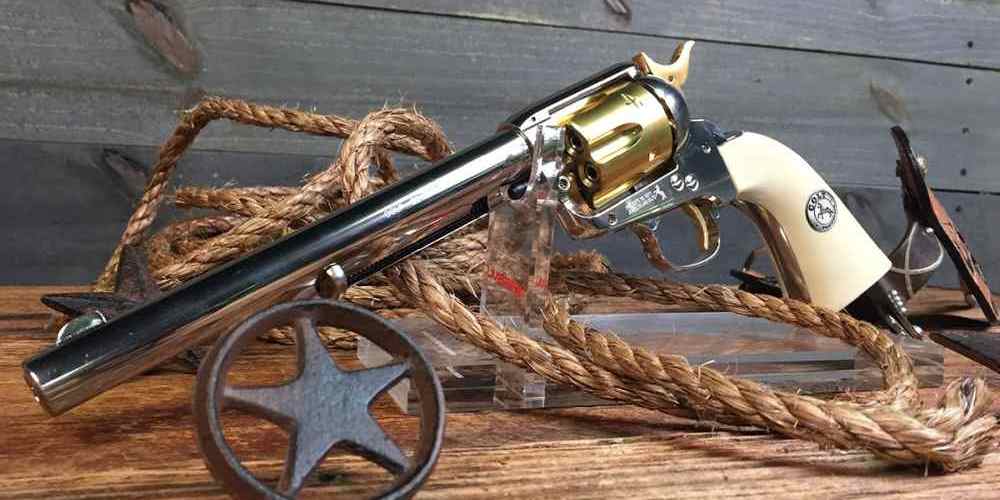
The handgun grip safety may be small, but its impact on comfort, control, and confidence can be significant. Shooters who overlook it often miss an opportunity to improve how their pistol handles while preserving the safety features that were built into the design for good reason. Taking the time to understand how it fits your hand is not a gimmick—it is part of owning and using a firearm responsibly.
The best setup is the one that works reliably, safely, and consistently for the individual shooter. That means paying attention not only to accessories and performance upgrades, but also to the basic interface between hand and handgun. Whether you are a seasoned enthusiast or a new owner, a thoughtful grip safety evaluation can help you shoot better and handle your firearm with greater confidence.
In the end, responsible gun ownership is about more than marksmanship. It is about maintaining equipment properly, respecting the mechanics of the firearm, and making choices that support safety first. If a grip safety is part of your handgun, give it the attention it deserves—you may be surprised at how much difference that one overlooked adjustment can make.