The Basics of Gunsmithing Safety
Gunsmithing is a skilled trade that involves the repair, modification, and customization of firearms. It requires precision, knowledge, and utmost respect for safety protocols to prevent accidents and ensure the well-being of both the gunsmith and those who use the firearms. This article delves into the foundational aspects of gunsmithing safety, offering practical guidance, real-world examples, and essential statistics that underscore the importance of adhering to rigorous safety standards.
Understanding the Importance of Safety in Gunsmithing
Working with firearms is inherently risky due to their nature as weapons designed to discharge projectiles at high velocities. In a gunsmithing environment, even minor lapses in safety can lead to severe injuries or fatalities. According to the National Safety Council, accidental firearm injuries account for thousands of emergency room visits each year in the United States alone. Although many accidents occur during recreational use or improper storage, a significant number also happen during maintenance and repair activities.
For gunsmiths, safety isn’t just about personal protection—it’s about ensuring that repaired or modified firearms function reliably without posing unintended hazards to their users. Proper safety protocols help prevent:
- Unintentional discharges during inspection or repair
- Exposure to hazardous chemicals and materials
- Physical injuries from tools and machinery
- Damage to firearms that could cause malfunctions later
Ultimately, a gunsmith’s reputation depends on their commitment to safe practices that protect lives and property.
Essential Personal Protective Equipment (PPE) for Gunsmithing
PPE is the first line of defense against many workplace hazards in gunsmithing. Due to the variety of tasks involved—such as machining metal parts, handling chemicals like solvents and lubricants, and testing firearm functions—using appropriate protective gear is critical.
The following PPE items are essential for every gunsmith:
- Safety Glasses or Goggles: Protect eyes from flying metal shavings, springs under tension, and chemical splashes. Studies show that over 70% of eye injuries in workshops result from flying debris.
- Hearing Protection: When test-firing firearms or working with noisy machinery like grinders or drills, hearing protection such as earplugs or earmuffs reduces risk of hearing loss.
- Gloves: Nitrile gloves protect against chemical exposure during cleaning while heavy-duty gloves can shield hands from cuts and abrasions when handling sharp tools or metal parts.
- Respiratory Masks: Fine metal dust from sanding or machining can be inhaled; masks rated N95 or higher help minimize respiratory risks.
- Protective Clothing: Long sleeves and aprons made from durable materials guard against burns from hot components or chemical spills.
A commitment to consistently wearing PPE reduces injury rates significantly. For example, a case study involving a midwestern gunsmith shop found that after instituting mandatory PPE policies, workplace injuries dropped by nearly 40% within one year.
Safe Handling Practices: Preventing Accidental Discharges
A fundamental aspect of gunsmithing safety revolves around preventing accidental firearm discharges during maintenance work. Firearms should always be treated as if they are loaded until verified otherwise through proper checks.
The following best practices are vital:
- Always Clear Firearms: Before beginning any work, visually and physically inspect the chamber, magazine well, and barrel to confirm they are empty.
- Remove Ammunition From Work Area: Keep all live ammunition stored separately from the workspace to avoid confusion or accidental chambering.
- Avoid Trigger Contact: Never place fingers on triggers unless performing specific functional testing under controlled conditions.
- Treat All Firearms as Loaded: This mindset enforces vigilance at every step of the process.
An illustrative example involves a well-documented accident where a gunsmith was injured because a colleague had left a loaded round in a firearm unknowingly. This incident could have been avoided with strict adherence to clearance protocols. The Bureau of Alcohol, Tobacco, Firearms and Explosives (ATF) reports that many workplace incidents involve failures in basic clearance procedures.
The Role of Proper Workspace Setup in Enhancing Safety
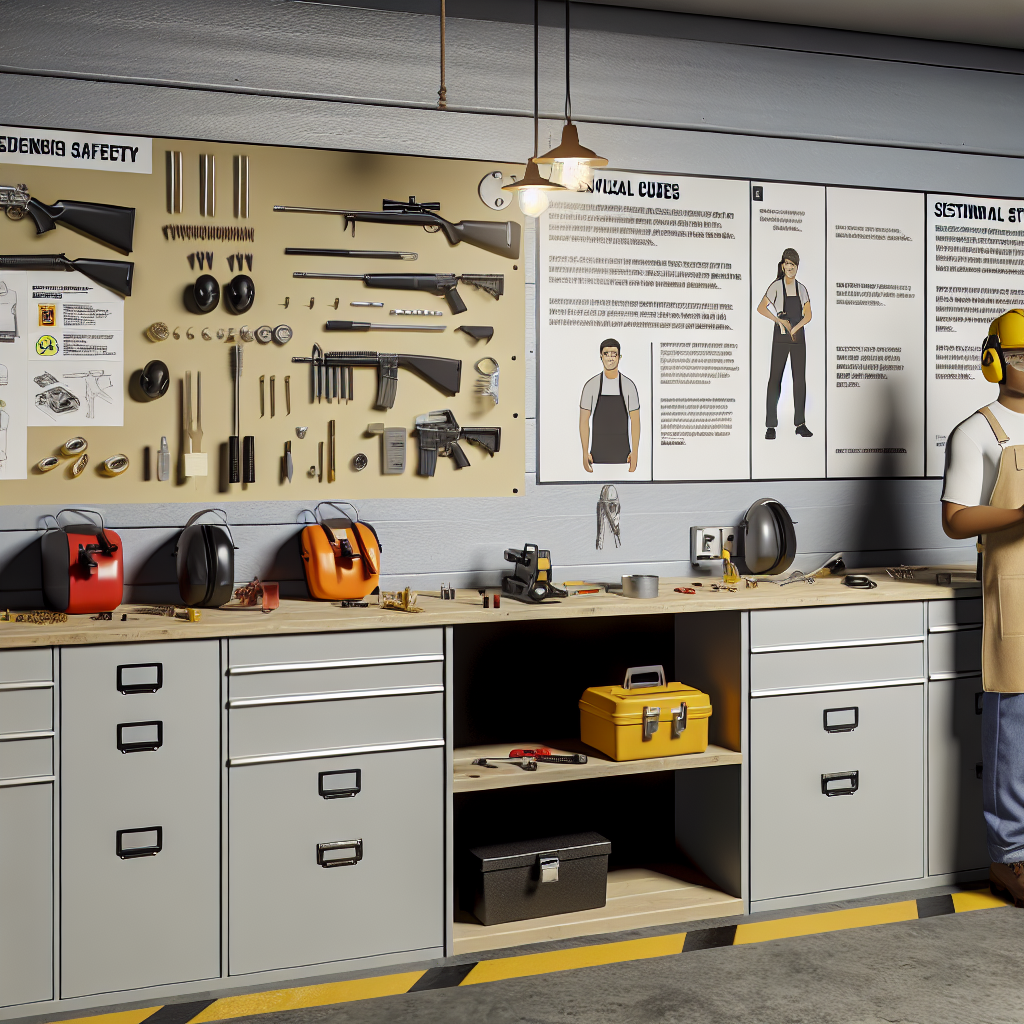
The layout and organization of a gunsmith’s workspace play an integral role in maintaining safety standards. A cluttered or poorly arranged environment increases risks such as tripping hazards, accidental tool slips, or cross-contamination between firearms and ammunition.
A safe workspace should include:
- Categorized Storage Areas: Separate zones for tools, parts, solvents, lubricants, and ammunition reduce risk of mix-ups.
- Sufficient Lighting: Bright task lighting ensures clear visibility when inspecting small components or delicate mechanisms.
- Ventilation Systems: Proper air circulation helps remove harmful fumes from solvents and powders used during cleaning processes.
- Non-slip Flooring: Minimizes fall risks especially when handling heavy components or liquids that might spill.
- Easily Accessible Emergency Equipment: Fire extinguishers, first aid kits, eye wash
Easily Accessible Emergency Equipment: Fire extinguishers, first aid kits, eye wash stations, and other safety tools should be within reach to address any emergencies swiftly.
By prioritizing safety in the workspace, gunsmiths can ensure a secure and efficient environment for their craft.