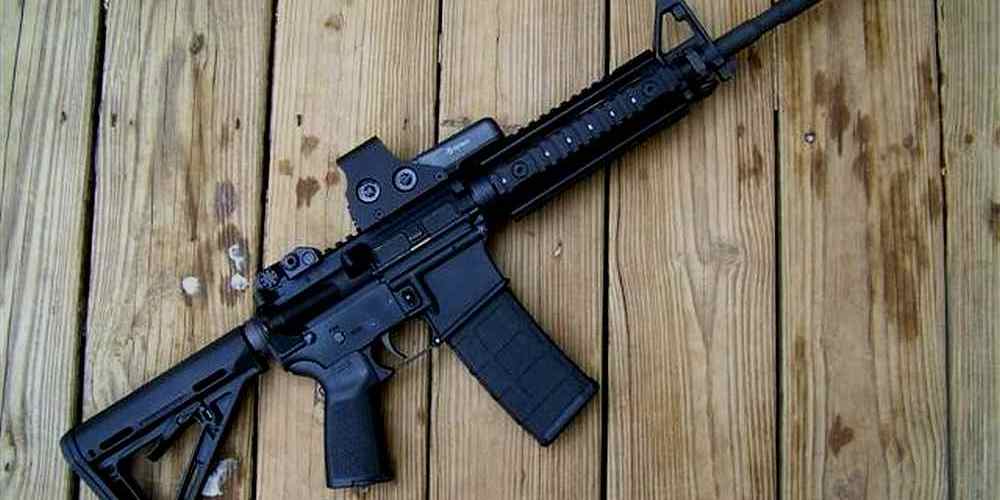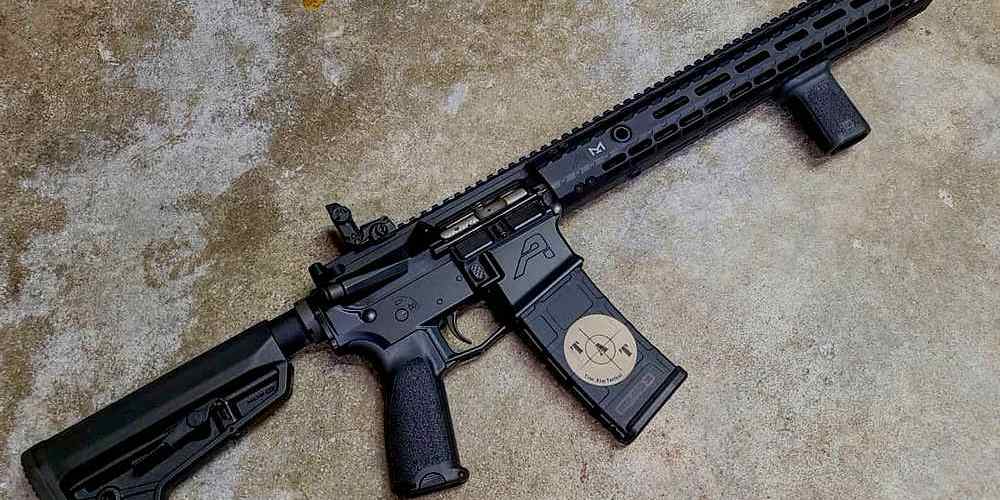
The AR-15 is one of the most adaptable rifles ever made, but that versatility can also lead to a common setup mistake: setting the stock height incorrectly. Many shooters focus on optics, grips, triggers, and slings, yet overlook how the stock actually sits on the shoulder. That small adjustment affects comfort, recoil control, sight alignment, and how consistently the rifle returns to target. For a platform built around repeatable handling, the stock position matters more than many owners realize.
A properly adjusted stock is not just about making the rifle feel good in the moment. It helps build a stable shooting position whether you are at the range, in a hunting field, or preparing for lawful defensive use. When the stock is too low, too high, or placed inconsistently, shooters often compensate with their head, neck, or support hand, which can create fatigue and reduce accuracy. Understanding the correct stock height is a simple but important part of responsible AR-15 ownership.

Why Most Shooters Get AR-15 Stock Height Wrong
Many shooters assume stock height is mainly a matter of comfort, so they set it based on what feels familiar rather than what supports proper rifle alignment. On an AR-15, the stock should help place the shooter’s eye naturally behind the optic or sights without forcing the cheek upward or downward. A frequent mistake is running the stock too low, which can cause the shooter to crane the neck and lose a solid cheek weld. Another common issue is extending the stock too far simply because the rifle feels “longer” that way, even though that position may reduce control.
This problem became more noticeable as the AR-15 evolved from a military rifle to a platform used with red dots, magnified optics, and modern shooting stances. Older habits from traditional hunting rifles do not always translate well to the AR platform. The AR’s inline design is meant to manage recoil efficiently, but only if the buttstock sits in a position that supports the line of sight and keeps the rifle anchored during firing. If the stock is misadjusted, the shooter may still hit targets, but consistency and speed usually suffer.
Another reason shooters get stock height wrong is that they judge the setup based on appearance rather than function. A stock that looks “compact” or “fully extended” may not actually match the shooter’s body mechanics or optics setup. Eye relief, armor, clothing layers, shooting stance, and even whether the shooter is right- or left-handed all affect the right position. In practical terms, the correct height is the one that lets the shooter mount the rifle naturally, see clearly through the optic, and maintain a stable, repeatable shoulder weld.
How to Set Your Stock for Better Control and Safety
Start by shouldering the rifle with your eyes closed, then open them and check where your eye lands in relation to the optic or sights. The goal is a neutral mount: the stock should meet the shoulder in the same place each time, and the head should settle on the comb area without strain. If you have to stretch your neck forward, lower your chin awkwardly, or shift your shoulders to see through the optic, the stock is likely set too low or the length of pull needs adjustment. Make small changes and retest until the rifle comes up naturally and consistently.
Pay attention to how the rifle tracks during recoil and how easy it is to maintain a firm shoulder pocket. A well-set stock helps the rifle stay in line with the body, which improves follow-up shots and reduces fatigue during longer sessions. This matters for all types of shooting, from zeroing a carbine to training with a sling or carrying the rifle in the field. If your stock has multiple adjustment points, use them deliberately rather than leaving them in whatever position happened to come from the factory or from the last user.
Safety should always guide any setup change. Confirm the rifle is unloaded before making adjustments, keep the muzzle in a safe direction, and work in a controlled environment. Once the stock is set, test it with dry mounts first, then validate the fit during live-fire practice while following all range rules and local laws. The best stock position is not just comfortable; it allows safer, more deliberate handling by reducing awkward movements and helping the shooter maintain better control over the firearm.
Getting the AR-15 stock height right is a small adjustment with a big payoff. It can improve accuracy, make recoil feel more manageable, and help the rifle come to the shoulder the same way every time. For shooters who want dependable performance, especially with modern optics and practical shooting techniques, that consistency is hard to overstate.
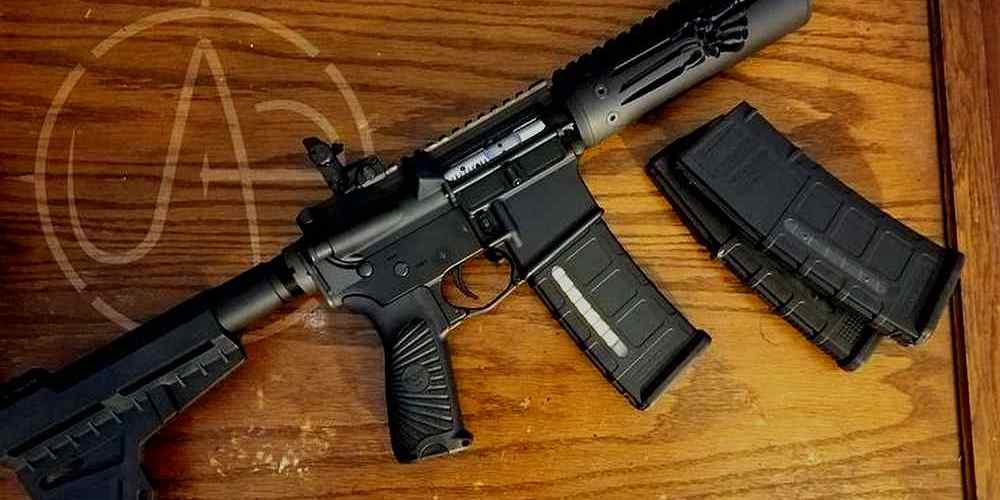
The most important takeaway is simple: do not set the stock by guesswork. Use your body, your optic, and your shooting goals to determine the position that gives you the most natural alignment and control. A well-fit rifle is easier to shoot well, easier to manage safely, and more enjoyable to own.
Responsible firearm ownership includes taking the time to fit your equipment properly. Whether you shoot for sport, hunting, or personal protection, a correctly adjusted AR-15 is a safer and more effective tool. If you are building or tuning your rifle, stock setup deserves the same attention as any other part of the platform.