AR-15 suppressors have become increasingly popular among hunters, sport shooters, and home-defense-minded owners who want less muzzle blast, less recoil, and a more comfortable shooting experience. But many first-time buyers are surprised when a suppressor introduces new headaches instead of solving all their problems. The truth is that a suppressor is only one part of a larger system, and on an AR-15, that system includes gas timing, barrel length, ammunition choice, mounting method, and ongoing maintenance. When those factors are not matched correctly, the result can be more gas in the shooter’s face, faster wear, reliability issues, and a rifle that no longer behaves the way the owner expected.
Why Many AR-15 Suppressors Backfire on Users
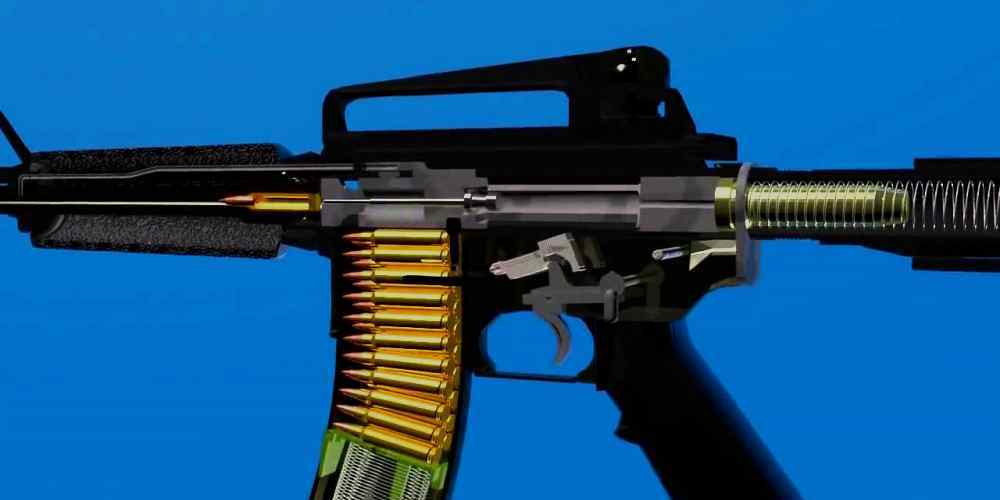
AR-15 suppressors often disappoint users because they change the rifle’s operating dynamics in ways that are not always obvious at the time of purchase. The AR platform was designed around a certain balance of gas pressure and bolt movement, and adding a suppressor increases backpressure at the muzzle. That can make the action cycle harder and faster, which may sound minor in theory but often leads to a sharper recoil impulse, more felt blast around the charging handle, and a rifle that becomes less pleasant to shoot over time. Many owners buy a suppressor expecting a simple “quieter rifle,” only to discover that the reduction in report comes with a different set of problems.

Another common reason suppressors backfire is that buyers focus too much on decibel reduction and not enough on the full shooting experience. Sound at the muzzle is only one part of the equation. The shooter still hears mechanical noise, gas venting, and in many cases the crack of supersonic ammunition. On short-barreled or overgassed rifles, a suppressor can make the gun louder to the shooter’s ear in practical terms because of increased port noise and gas blowback. That is why experienced users often pair suppressors with adjustable gas blocks, tuned buffer systems, or purpose-built suppressed setups instead of relying on the can alone to improve performance.
There is also a historical lesson here: suppressors evolved from niche tools into mainstream accessories, but the AR-15’s popularity outpaced many owners’ understanding of how sensitive the platform can be to changes at the muzzle. A suppressor that works well on one rifle may be a poor fit on another, even if both are chambered in 5.56 NATO. Barrel length, gas system length, ammo pressure, and even the type of magazine used can influence reliability. Responsible ownership means testing the entire setup before trusting it for competition, duty, hunting, or defensive use, and that testing should always happen in a legal, controlled environment.
Common Fit, Gas, and Maintenance Issues to Know
Fit issues are one of the most overlooked causes of suppressor frustration on AR-15 rifles. Not every muzzle device and suppressor mount interface perfectly, and a small alignment problem can create major consequences. Improper shoulder contact, loose mounting systems, or mismatched thread patterns can lead to baffle strikes, poor accuracy, or point-of-impact shift. Even when the suppressor is correctly installed, the added weight at the end of the barrel can change harmonics enough that a rifle once zeroed may print several inches away from its original point of impact. That is normal to a degree, but it needs to be checked every time a suppressor is added or swapped.
Gas and blowback issues are another major source of unexpected trouble. Suppressed AR-15s often push more gas back through the ejection port and charging handle, which can irritate the shooter’s face, increase carbon fouling, and make the rifle feel dirty far sooner than an unsuppressed gun. In some rifles, especially those with a standard gas system and no tuning, the bolt carrier can cycle too violently, accelerating wear on springs, buffers, and locking lugs. Practical fixes include selecting a suppressor-friendly gas block, using a heavier buffer where appropriate, and choosing a rifle-length gas system on new builds when the intended use includes regular suppression. The goal is not just less noise, but controlled and reliable function.
Maintenance also becomes more demanding once a suppressor enters the equation. Carbon buildup increases, cleaning intervals often shorten, and some mounting systems can seize if neglected. Shooters who are accustomed to a relatively forgiving unsuppressed AR may be surprised at how quickly suppressed components accumulate fouling. That does not mean suppressors are unreliable; it means they require disciplined care and periodic inspection. Check mounts, threads, and alignment regularly, follow the manufacturer’s torque and cleaning guidance, and remember that legal compliance matters just as much as mechanical maintenance. A well-chosen suppressor can be an excellent accessory, but only when the owner treats it as part of a carefully tuned, responsibly used firearm system.
The biggest reason many AR-15 suppressors “cause problems” is not the suppressor itself, but the expectation that it will solve every issue by simply being attached. In reality, suppression changes pressure, cycling, maintenance, and handling characteristics in ways that demand informed setup and regular inspection. Owners who understand those tradeoffs are usually much happier with the results than buyers who chase marketing claims or decibel numbers alone. For responsible gun owners, the best path is a properly matched suppressor, a tuned rifle, and a commitment to safe, legal, and informed use every time the firearm is taken to the range or field.