Reloading Ammo Components Explained: A Comprehensive Guide
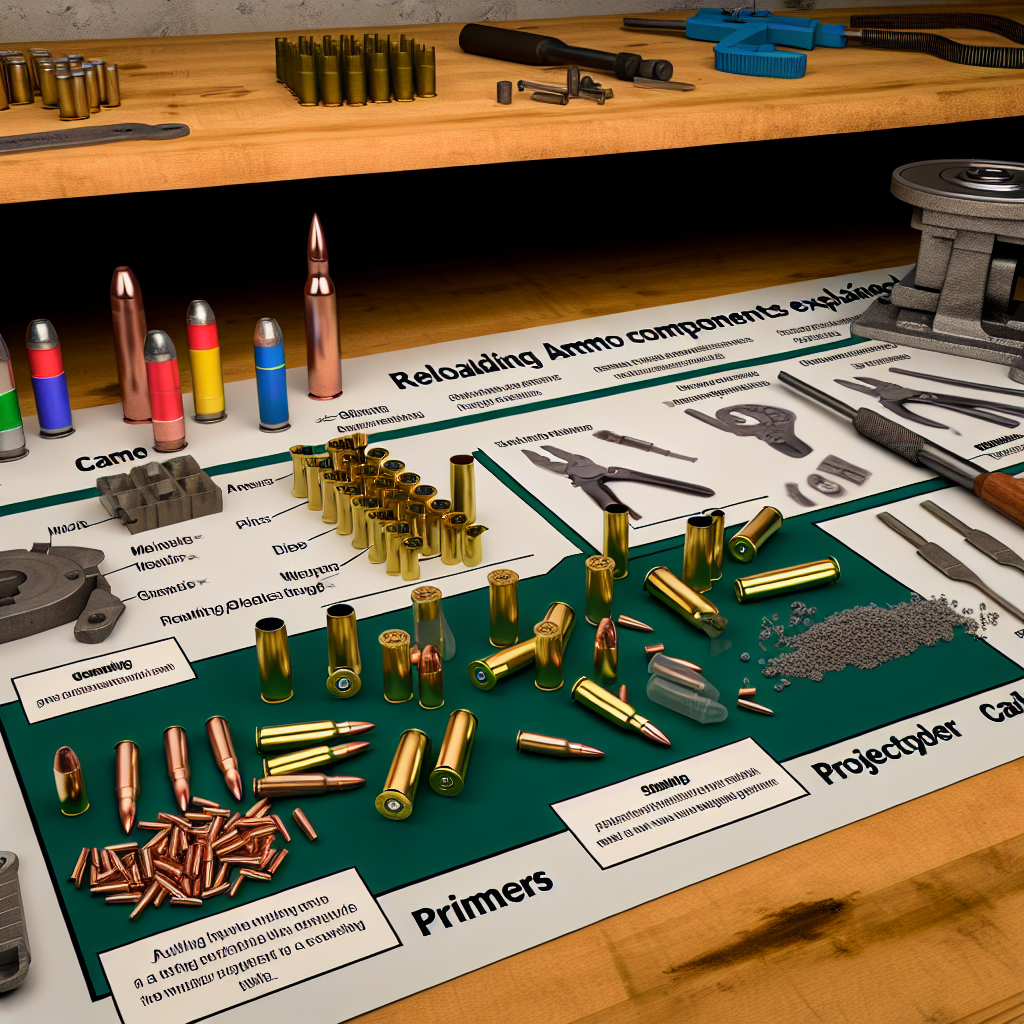
Reloading ammunition is a skill that combines precision, knowledge, and craftsmanship. For shooting enthusiasts, hunters, and competitive marksmen, understanding the components involved in reloading ammo is crucial to producing safe, reliable, and customized rounds. This article delves deeply into the essential components of reloading ammunition, explaining their roles, variations, and how they interact to create effective loads. Whether you are a novice reloader or looking to refine your skills, this guide offers valuable insights backed by examples and data.
The Basics of Reloading: What Are Ammo Components?
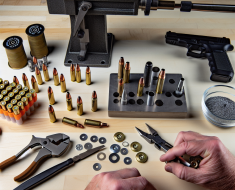
Before diving into each component’s specifics, it’s important to understand what reloading entails. Reloading involves assembling the individual parts of a cartridge to create a functional round. Typically, a cartridge consists of four main components:
- Case
- Primer
- Gunpowder (Propellant)
- Bullet
Each component plays a vital role in the overall performance of the cartridge. Reloaders carefully select and combine these parts to tailor ammunition for specific firearms or shooting purposes.
The Cartridge Case: The Foundation of Reloaded Ammo
The cartridge case is the metallic shell that holds all other components together. It is usually made from brass but can also be found in steel or aluminum varieties. Understanding case types and maintenance is essential for safe reloading.
Types of Cartridge Cases
- Brass Cases: The most popular choice among reloaders due to their durability, corrosion resistance, and ability to be resized multiple times.
- Steel Cases: Cheaper but less durable; often used in military surplus ammunition. Steel cases are less ideal for reloading as they are harder to resize.
- Aluminum Cases: Lightweight but generally not reloadable because they deform easily.
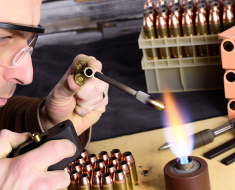
The condition of the case directly impacts safety and performance. Cases must be inspected for cracks, dents, or excessive wear before reuse. Proper cleaning removes residue and ensures better primer seating and powder containment.
Case Preparation and Maintenance
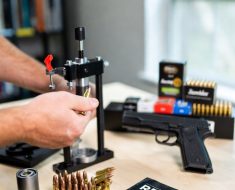
A typical reloading process includes resizing the case using dies to restore its original dimensions after firing. Additionally, trimming the case length is necessary if it has stretched beyond specification after multiple reloads. Lubrication during resizing prevents damage to the brass.
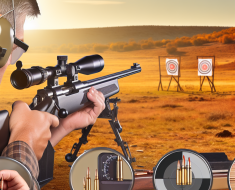
An example of meticulous case preparation can be seen in competitive shooting sports such as precision rifle matches where consistent case dimensions translate into improved accuracy.
The Primer: Igniting the Propellant
The primer is a small but critical component that ignites the gunpowder when struck by the firing pin. Primers come in various sizes and compositions depending on cartridge specifications.
Types of Primers
- Small Rifle Primers: Used for smaller caliber rifle cartridges like .223 Remington or .308 Winchester.
- Large Rifle Primers: For larger rifle calibers such as .30-06 Springfield or magnum rounds.
- Pistol Primers: Designed for handgun cartridges like 9mm or .45 ACP; available in small and large sizes as well.
- Magnum Primers: Provide a hotter ignition flame suited for hard-to-ignite powders or magnum cartridges requiring more consistent ignition.
Selecting the correct primer type and brand is essential because inconsistent ignition can lead to misfires or erratic velocities. For example, Federal Gold Medal Match primers are favored by many precision shooters due to their reliability and consistency in velocity standard deviation (VSD).
The Role of Primer Chemistry
The chemical composition inside primers affects sensitivity and shelf life. Lead-based primers have been standard for decades but are increasingly replaced by lead-free alternatives due to environmental concerns.
A study conducted by the Sporting Arms and Ammunition Manufacturers’ Institute (SAAMI) found that lead-free primers tend to produce slightly higher pressure spikes but remain within safe limits when proper load data is followed.
Gunpowder (Propellant): Powering Your Shot
The powder is arguably the heart of any cartridge—providing the explosive force that propels the bullet out of the barrel at high speed. Understanding different types of powders helps reloaders optimize velocity, pressure, and accuracy for their specific needs.
Pistol vs Rifle Powders
- Pistol Powders: Typically burn faster than rifle powders because handgun barrels are shorter; fast burn rates reduce excessive pressure buildup over short distances.
- Rifle Powders: Burn slower to maintain pressure over longer barrel lengths; slow-burning powders help achieve higher velocities efficiently without spiking pressure dangerously.
A classic example illustrating powder choice differences comes from loading .223 Remington rifle ammo versus 9mm pistol ammo—each requires tailored powders optimized for their ballistic characteristics.
Nitrocellulose vs Black Powder Alternatives
Modern smokeless powders are primarily nitrocellulose-based formulations offering cleaner burning than traditional black powder used historically.
Smokeless powders produce higher energy per weight unit with less fouling, making them more efficient for modern reloading practices.
Understanding these components is crucial for achieving optimal performance in your ammunition.