How to Reload with New vs Used Brass: A Comprehensive Guide
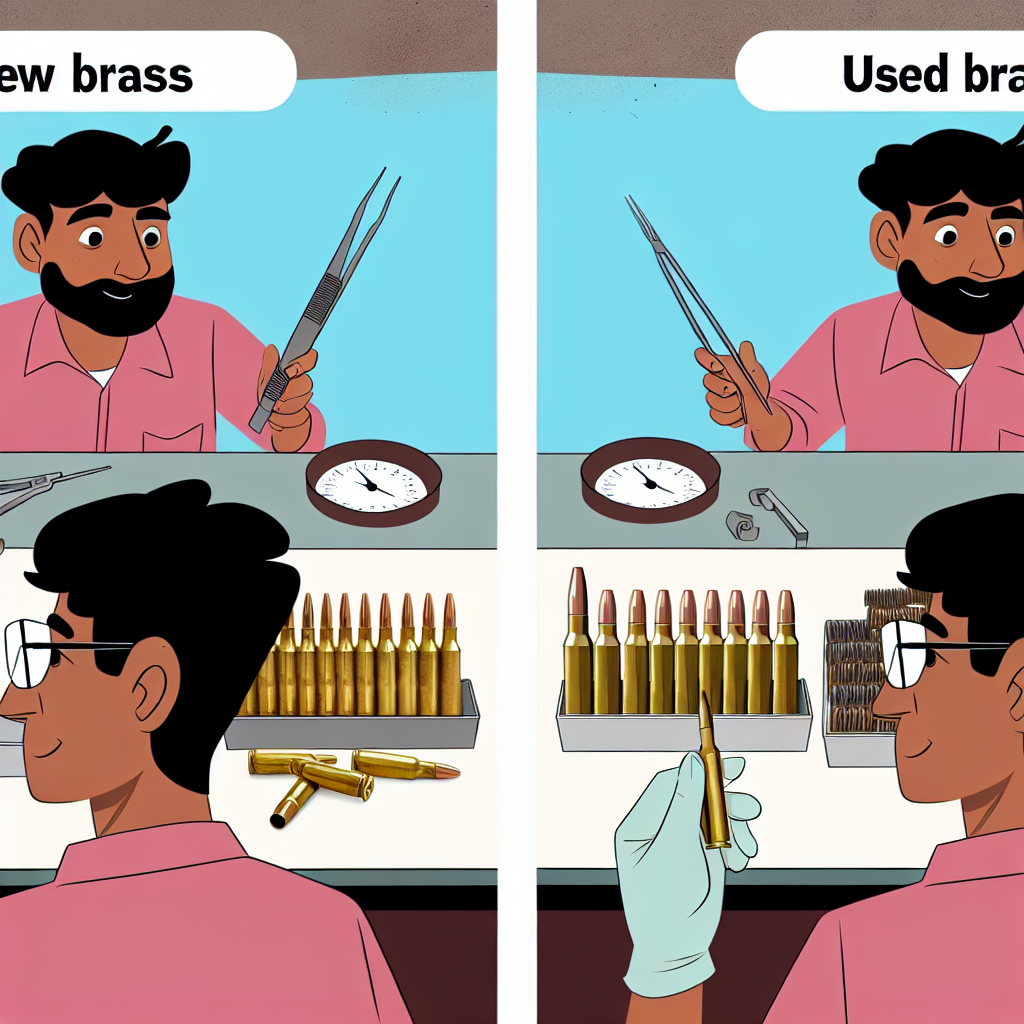
Reloading ammunition is a rewarding and cost-effective practice embraced by shooting enthusiasts, competitive shooters, and hunters alike. One of the fundamental decisions every reloader must make is whether to use new or used brass for their reloads. Each option carries its own advantages, challenges, and safety considerations that can impact the quality and reliability of your ammunition.
This article delves deeply into the nuances of reloading with new versus used brass. We will explore the characteristics of each type, key considerations for their use, and best practices to ensure safe, consistent, and accurate reloads. By the end of this article, you will be equipped with the knowledge needed to make informed choices tailored to your specific needs.
Understanding Brass: New vs Used
Before diving into reloading techniques, it is essential to understand what sets new and used brass apart.
New Brass
New brass refers to cartridge cases that have never been fired. These cases come directly from manufacturers such as Winchester, Federal, Hornady, or Lapua. The benefits of using new brass include uniformity in case dimensions and pristine condition free from any wear or damage caused by firing.
- Consistency: New brass generally exhibits more uniform wall thickness and case dimensions, which can translate into improved accuracy and reliability.
- Longevity: Starting with fresh brass means you get more reload cycles before the cases begin to show signs of fatigue or cracks.
- Cleanliness: No residue or dirt from previous firing cycles means less prep work before reloading.
Used Brass
Used brass consists of cartridge cases that have been fired at least once. This includes brass collected from range pickups, purchased as “once-fired” or “range pick-up,” or previously reloaded cases. While often cheaper than new brass, used brass requires more inspection and preparation to ensure safety and performance.
- Cost-effectiveness: Used brass is significantly less expensive than new brass and can be reused multiple times if properly maintained.
- Environmental impact: Reusing brass reduces waste and supports sustainable shooting practices.
- Variety: Used brass may come from different manufacturers or batches, which could introduce inconsistencies but also opportunities for experimentation with loads.
Preparation: Cleaning and Inspecting Brass for Reloading
The preparation process differs substantially between new and used brass due to their condition after manufacturing or firing. Proper cleaning and inspection are vital steps that should never be overlooked regardless of your choice.
Cleaning New Brass
While new brass is clean compared to fired cases, it may still have manufacturing oils or residues that should be removed before loading. A simple ultrasonic cleaning cycle or a tumble in corn cob media usually suffices.
Cleaning Used Brass
Used brass often comes dirty with carbon deposits, powder residue, lubricants from the previous reload cycle, and sometimes even corrosion. Thorough cleaning is necessary to ensure smooth resizing and prevent damage during reloading:
- Tumbling: Using media such as crushed walnut shells or corn cob media helps remove dirt without damaging the cases.
- Ultrasonic cleaning: For stubborn carbon fouling inside the case necks and primer pockets.
- Primer pocket cleaning: Essential for consistent primer seating; specialized tools are recommended.
Inspecting Brass: A Critical Step
No matter if your brass is new or used, inspection ensures safety during reloading:
- Visual Inspection: Look for cracks around the neck/shoulder junctions and case mouths. These are common failure points in spent cases.
- Tweezers Test: Gently flexing the case neck can reveal hairline fractures invisible to the naked eye.
- Case Length Measurement: Cases stretch slightly after firing; excessive length can cause dangerous pressure spikes if not trimmed back within specifications.
- Baton Test (Case Mouth Roundness):: Ensures proper bullet seating; deformed mouths can cause inconsistent pressures.
The Reloading Process: Differences in Handling New vs Used Brass
The core process of resizing, priming, charging with powder, seating bullets, and crimping remains similar whether you’re using new or used brass. However, subtle differences affect how reloaders approach each step based on the condition of their cases.
Sizing Considerations
- New Brass: New cases typically require full-length resizing since they are fresh from factory dimensions. The necks tend to be tighter around bullets initially due to factory neck tension set during manufacturing processes like neck turning or annealing (if applicable).
- Used Brass: After multiple firings, case necks may loosen slightly requiring less force during resizing but increased attention toward potential case wall thinning at the neck region. Some reloaders anneal used brass periodically to restore neck tension and reduce brittleness caused by repeated firing strain.
Powder Charge Adjustments are crucial as they can vary between new and used brass due to differences in case capacity and wall thickness. Reloaders often need to work up loads carefully when switching between the two types to ensure consistent performance.
In summary, understanding the differences between new and used brass can enhance your reloading process and improve overall results.