Reloading Tips for Reduced Flash Loads
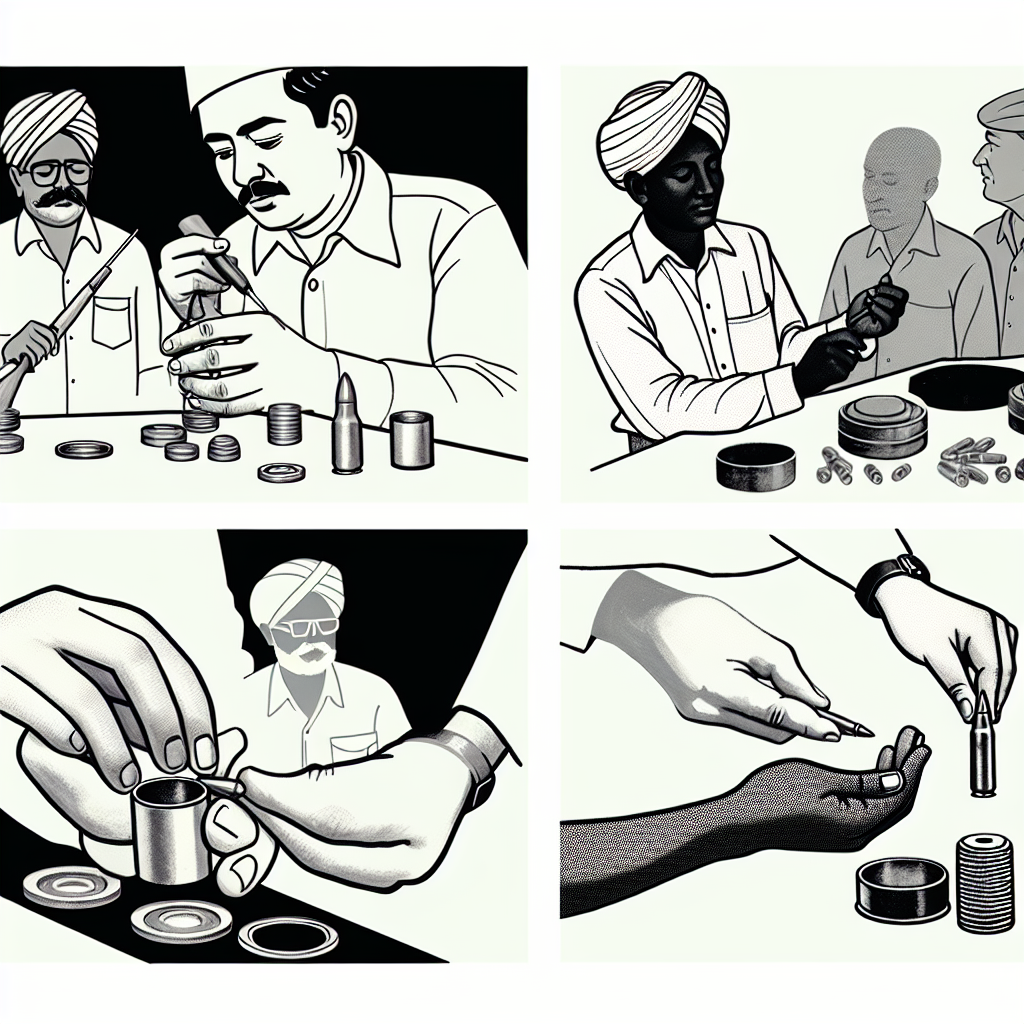
Reloading ammunition is a meticulous process that requires attention to detail, precision, and safety. Among the many challenges reloaders face, dealing with flash loads stands out as a critical issue. Flash loads are an overcharge of powder in a cartridge, which can cause dangerously high pressures and potentially catastrophic firearm failures. This article explores practical reloading tips for reducing flash loads, ensuring safer shooting experiences while maintaining optimal performance.
Understanding Flash Loads: What They Are and Why They Matter
Before diving into reloading techniques, it is essential to understand what flash loads are and why they pose a risk. A flash load occurs when too much powder is placed inside a cartridge case, exceeding recommended charge weights. This can lead to excessive chamber pressures when the round is fired.
Excessive pressure from a flash load can cause several problems:
- Barrel damage: High pressures can erode or even rupture the barrel.
- Action failure: The firearm’s action may crack or break due to stress.
- Personal injury: Overpressure can cause parts to shatter, risking severe injury to the shooter.
The National Shooting Sports Foundation (NSSF) reports that overpressure incidents account for nearly 25% of firearm malfunctions related to ammunition issues. Therefore, avoiding flash loads is paramount for safety and equipment longevity.
Common Causes of Flash Loads in Reloading
Identifying why flash loads occur helps reloaders avoid making these dangerous mistakes. Common causes include:
- Incorrect powder measurement: Using improper tools or misreading scales can lead to overcharging.
- Miscalculated charge weights: Not following reliable load data or using unverified sources.
- Poor powder selection: Using powders unsuitable for specific calibers or bullet types.
- Lack of case preparation: Not inspecting cases for variations in volume or defects that affect powder capacity.
- Miscalibrated equipment: Scales and dispensers that are out of calibration may dispense incorrect amounts of powder.
A case study published by Precision Rifle Blog in 2021 highlighted that nearly 40% of reloaders who experienced pressure-related issues had miscalibrated scales as the root cause. This underscores the need for meticulous equipment maintenance.
Essential Reloading Equipment for Preventing Flash Loads
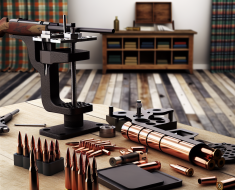
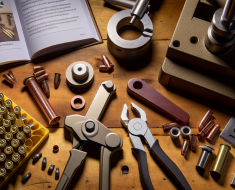
The foundation of safe reloading lies in using precise and reliable equipment. The following tools are crucial for reducing the risk of flash loads:
- Digital Powder Scale: Invest in a high-quality digital scale with at least 0.01-grain accuracy. Regularly calibrate your scale using certified calibration weights to maintain precision.
- Powder Measure/Dispenser: Use a powder measure designed specifically for your chosen powder type and ensure it is cleaned and adjusted frequently to avoid dispensing errors.
- Calipers: Accurate measurement of cartridge overall length (COL) helps detect seating errors that could affect pressure dynamics.
- Load Data Manuals or Software: Always use reputable sources such as Hodgdon, Hornady, or Nosler manuals, or trusted software applications that provide verified load data specific to your cartridge and bullet combination.
A survey by Shooting Times revealed that reloaders who upgraded their scales from mechanical to digital reduced their powder measurement errors by over 60%, significantly decreasing instances of flash loads.
Reloading Techniques and Best Practices to Reduce Flash Loads
The technique you apply during reloading is just as important as the equipment you use. Here are some best practices that every reloader should follow to minimize the risk of flash loads:
- Create a dedicated reloading workspace: Organize your area with clear separation between components like powder, primers, bullets, and cases to prevent contamination or mix-ups.
- Scoop powder slowly and weigh every charge individually: Never rely solely on volumetric measures; always double-check each charge on your scale before seating bullets.
- Avoid distractions during loading sessions: Distractions increase the likelihood of mistakes such as accidentally doubling charges or misreading measurements.
- Cautiously work up loads starting at minimum recommended charges: Incrementally increase powder charges only after confirming safe performance through chronograph testing and pressure signs monitoring (such as primer flattening or case neck expansion).
- Perform consistent case preparation: Trim cases uniformly, clean primers pockets thoroughly, inspect cases for defects, and ensure proper resizing without overworking brass which might affect internal volume variability.
- Keeps notes meticulously: Maintain detailed logs including lot numbers for components used, powder charges measured, bullet seating depths, and observed performance metrics during range testing phases.
An example comes from competitive shooters who routinely start with Hodgdon’s minimum load data and incrementally add half-grain steps while watching for velocity consistency and pressure signs. This cautious approach virtually eliminates flash load risks while optimizing accuracy and barrel life.
The Role of Powder Selection in Managing Flash Loads is crucial, as different powders can produce varying levels of flash. Choosing a slower-burning powder can often help minimize visible flash, especially in reduced loads.
By carefully selecting your components and following these guidelines, you can achieve safer and more effective reduced flash loads.