Reloading Primer Pocket Uniforming: Why It Matters
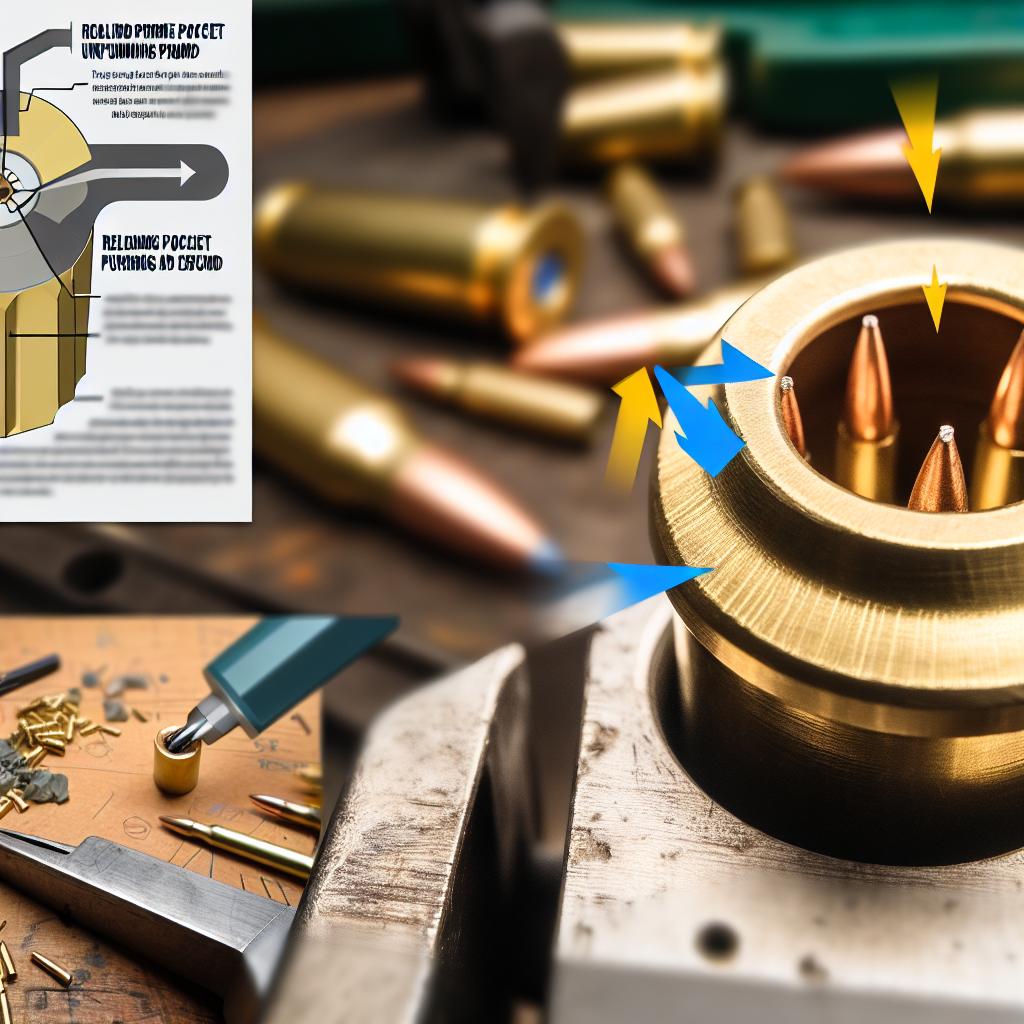
Reloading ammunition is a meticulous craft that combines precision, safety, and efficiency. Among the numerous steps involved in handloading, primer pocket uniforming is often overlooked by beginners but remains a critical process for serious reloaders aiming for optimal performance and reliability. This article delves into what primer pocket uniforming is, why it matters, and how it can significantly impact your reloading results.
Understanding Primer Pocket Uniforming: What Is It?
Primer pocket uniforming refers to the process of cleaning and resizing the primer pocket of a cartridge case to ensure consistent dimensions. When brass cases are fired, the primer pockets can become distorted or fouled with residue from primers and powder. Over time, these inconsistencies can affect primer seating depth and alignment.
The primer pocket is the recessed area at the base of a cartridge case where the primer sits. Proper primer seating is vital because primers ignite the powder charge inside the case. If a primer doesn’t seat correctly—either too shallow or too deep—it can lead to misfires, inconsistent ignition, or even dangerous pressure spikes.
- Types of Primer Pockets: There are two main types of primer pockets—standard (small) rifle/handgun and large rifle/handgun. Each requires different tools for uniforming.
- Uniforming Tools: Primer pocket uniformers are specialized reamers designed to cut the inside diameter and depth of the pocket to factory specifications.
By ensuring all your cases have consistent primer pockets, you reduce variability in your ammunition and improve overall reliability.
The Importance of Primer Pocket Uniforming in Reloading
Reloaders who skip primer pocket uniforming might not notice immediate issues but can face subtle problems that impact accuracy and safety over time. Here’s why uniforming matters:
1. Improved Consistency and Accuracy
A major goal in reloading is achieving consistent ammunition performance shot after shot. Variations in primer seating depth cause inconsistent ignition timing which directly affects muzzle velocity and point of impact.
A study conducted by a competitive benchrest shooter group showed that cartridges with uniformed primer pockets demonstrated a reduction in standard deviation of muzzle velocity by approximately 5-7%. While this may seem small, in precision shooting disciplines such as benchrest or long-range shooting, even slight improvements translate into tighter groups on target.
2. Enhanced Safety
Improperly seated primers due to uneven pockets can cause dangerous pressure spikes or squib loads (where insufficient pressure prevents bullet exit). Uniforming ensures primers sit flush and properly aligned within their pockets reducing risk factors associated with inconsistent seating depths.
- Pressure Management: Primers seated too deeply can cause excessive pressures as ignition occurs irregularly.
- Misfires Prevention: Loose primers from oversized or fouled pockets increase chances of misfires or hang fires (delayed ignition).
3. Prolongs Case Life
Casing longevity is important for reloaders who aim to maximize their investment in brass. Uneven or dirty primer pockets cause unnecessary stress during seating and firing cycles leading to cracking or deformation around the base.
Uniformed pockets help maintain structural integrity by minimizing uneven forces applied during priming and firing, extending the usable life of each case.
The Process: How to Properly Uniform Primer Pockets
The technique behind primer pocket uniforming requires attention to detail but is straightforward once understood. Here’s a step-by-step guide:
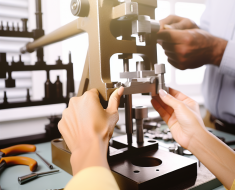
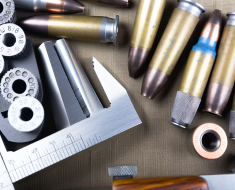
- Select Appropriate Tools: Invest in quality uniforming tools suited for your specific caliber (e.g., Redding, Hornady). Some kits combine pocket cleaners with uniformers for added convenience.
- Clean Cases Thoroughly: Before uniforming, cases should be cleaned using ultrasonic cleaners or tumblers to remove dirt and powder residues that could interfere with cutting.
- Secure Your Case: Use a case holder or shell holder in your press or hand tool to stabilize each case firmly during uniforming.
- Cut Primer Pocket Depth: Insert the uniformer into the pocket and rotate it slowly—usually clockwise—to shave off excess material until reaching factory specified depth (typically around 0.060 inches for small rifle primers).
- Inspect Results: Check cases visually and with calipers if available to confirm consistent depth across all cases.
- Clean Cases Again: After cutting, remove any metal shavings by washing or blowing out debris before priming your cases.
This process typically adds only seconds per case but yields dividends in reliability and accuracy downrange.
Case Studies: Real-World Impact of Primer Pocket Uniforming
Case Study 1: Competitive Long-Range Shooter Improves Groupings
A well-known long-range competitor noted inconsistent group sizes during matches despite meticulous load development. After implementing primer pocket uniforming as part of his preparation routine, he observed an immediate tightening of groups by nearly 15%, attributing improvements largely to enhanced ignition consistency.
when using mixed brass batches. After adopting primer pocket uniforming, many members reported a significant reduction in misfires, leading to a more reliable shooting experience.
Investing time in primer pocket uniforming can greatly enhance your reloading process and overall shooting performance.