Maintaining Your Gun’s Finish During Cleaning: Essential Tips and Techniques

Owning a firearm comes with the responsibility of proper maintenance to ensure its functionality, safety, and longevity. One often overlooked but critical aspect of gun care is preserving the firearm’s finish during cleaning. The finish not only contributes to the aesthetic appeal of your gun but also serves as a protective barrier against rust, corrosion, and wear. Neglecting this aspect can lead to premature deterioration, affecting both performance and value.
This article explores comprehensive strategies for maintaining your gun’s finish during cleaning. We will delve into the types of finishes commonly found on firearms, the impact of improper cleaning on these finishes, recommended cleaning materials and techniques, and practical tips supported by examples and expert insights.
Understanding Firearm Finishes: Types and Vulnerabilities
Before discussing maintenance techniques, it is crucial to understand the types of finishes that firearms commonly have. The finish applied to a gun serves multiple functions: protection against environmental factors, reduction of glare, and enhancement of grip or aesthetics.
- Blued Steel: This traditional finish involves a controlled oxidation process creating a thin layer of magnetite (Fe3O4) on the steel surface. Bluing offers moderate rust resistance but is susceptible to wear from friction and moisture.
- Parkerizing (Phosphating): A chemical conversion coating that provides better corrosion resistance than bluing. It has a matte gray or black appearance and is commonly used on military firearms.
- Nickel Plating: This electroplated finish offers excellent corrosion resistance and a shiny surface but can be prone to scratching if not carefully maintained.
- Cerakote and Other Modern Coatings: These polymer-ceramic coatings provide superior protection against abrasion, chemicals, and corrosion. They come in various colors and textures but require specialized application processes.
- Anodized Aluminum: Used on aluminum parts like frames or slides in some handguns, anodizing increases surface hardness and corrosion resistance while allowing for colored finishes.
Each finish has unique vulnerabilities during cleaning — for instance, aggressive solvents may strip bluing or damage Cerakote if not chosen carefully. Recognizing your firearm’s finish type helps tailor cleaning practices that protect its integrity.
The Impact of Improper Cleaning on Gun Finishes
Many gun owners focus primarily on removing fouling such as powder residue, copper buildup, or carbon deposits without considering how their cleaning methods affect the finish. Over time, improper techniques can degrade the protective coating or alter the firearm’s appearance drastically.
- Abrasive Materials: Using steel wool or rough brushes can scratch delicate finishes like bluing or nickel plating.
- Harsh Chemicals: Solvents containing ammonia or strong acids may discolor or erode certain coatings such as parkerizing or anodized surfaces.
- Excessive Moisture Exposure: Leaving water or cleaning solvents on metal surfaces without proper drying encourages rust formation beneath finishes that aren’t completely impermeable.
- Improper Oil Use: While oils protect against rust, excessive application can attract dust or cause sticky residues that degrade finishes over time.
A study conducted by the National Institute of Justice found that firearms subjected to improper cleaning showed up to a 40% faster degradation in surface finish quality compared to those maintained with recommended methods over a two-year period. This accelerated wear not only affects durability but can also reduce resale value significantly — collectors often seek firearms with well-preserved original finishes.
Selecting the Right Cleaning Materials for Finish Preservation
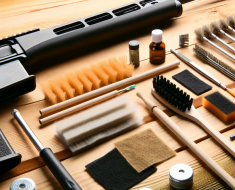
The foundation of maintaining your gun’s finish starts with choosing appropriate cleaning materials designed for gentle yet effective care. Here are some recommendations backed by expert gunsmiths and manufacturers:
- Cotton Patches & Microfiber Cloths: Soft materials minimize scratching risks when wiping down metal surfaces.
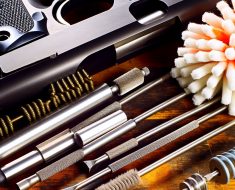
- Bore Brushes & Picks: Use bronze or nylon brushes rather than steel; bronze is firm enough for fouling removal but less abrasive than steel wool.
- Mild Solvents: Products like Hoppe’s No.9 are industry standards for removing powder residue without damaging bluing or parkerizing.
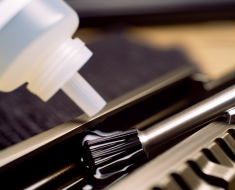
- Lubricants & Oils Designed for Firearms: Brands such as CLP (Cleaner-Lubricant-Protectant) offer balanced formulations that clean while protecting finishes from corrosion.
- Pads & Applicators Specifically Made for Cerakote & Anodized Surfaces: These avoid harsh chemicals incompatible with advanced coatings.
A case study from Brownells Inc., a leading firearms supply company, showed that using bronze bore brushes instead of steel significantly reduced microscopic scratches inside barrels after repeated cleanings over six months. Similarly, switching from generic household degreasers to dedicated gun solvents preserved external finishes better in user trials reported by Gunsmith magazine (2023).
to avoid damaging any components. Use appropriate tools and techniques to clean each part thoroughly while being mindful of the finish.
By following these best practices, you can maintain your gun’s finish and ensure its longevity and performance.