How to Use Cover and Concealment in Self-Defense
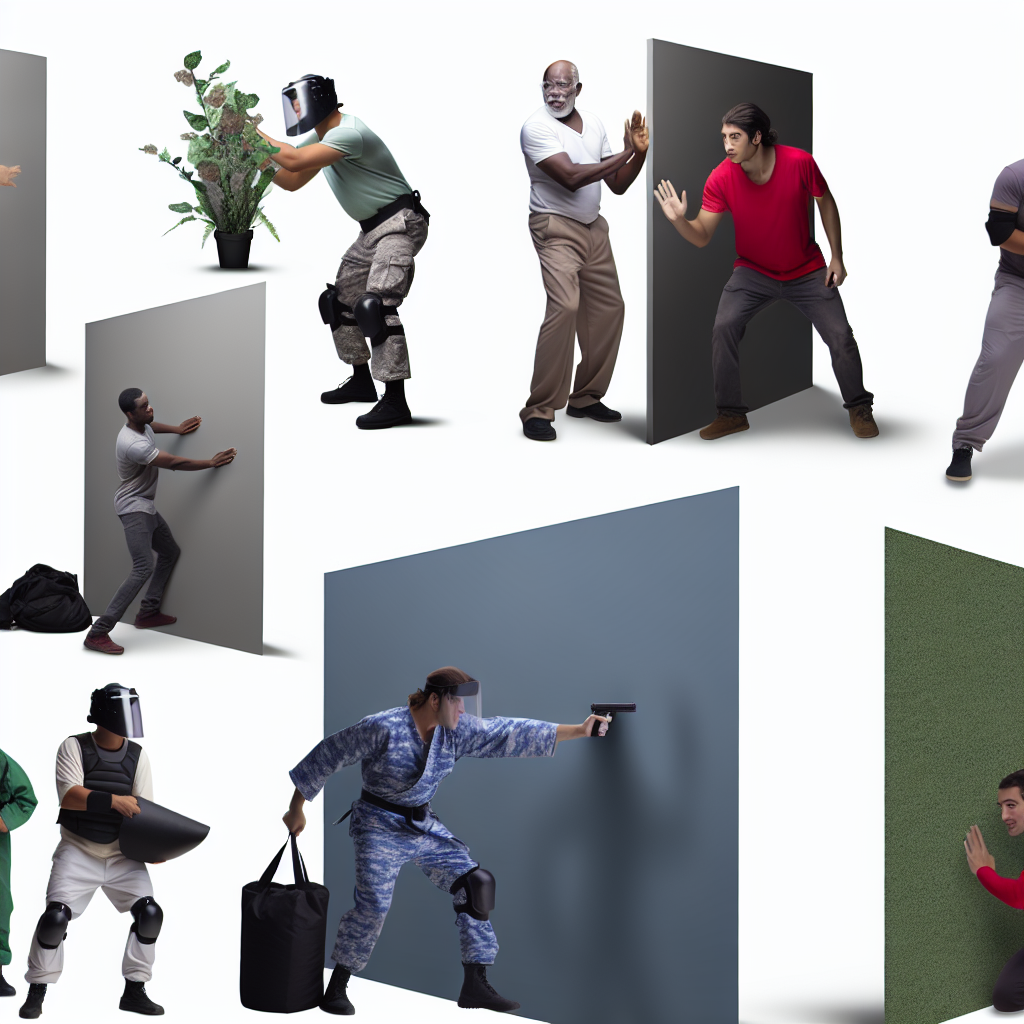
In the realm of self-defense, understanding the difference between cover and concealment is crucial. These concepts are not only fundamental for military and law enforcement personnel but also vital for civilians who wish to increase their chances of survival during violent encounters. Using cover and concealment effectively can mean the difference between life and death.
This article will explore what cover and concealment are, how they differ, and practical ways to use them in self-defense scenarios. We will also examine real-world examples, relevant statistics, and tactical advice to help you stay safe in dangerous situations.
Understanding the Difference: Cover vs. Concealment
Before diving into strategies, it’s important to clarify what cover and concealment mean, as they are often confused but serve different purposes in self-defense.
- Cover: Cover refers to any object or structure that provides protection from physical harm, such as bullets or knives. Cover can stop or deflect attacks, providing a barrier between you and the threat.
- Concealment: Concealment hides your position from an attacker but does not provide physical protection against attacks. It helps you remain unseen but does not stop bullets or other forms of assault.
For example, a concrete wall offers cover because it can stop bullets, whereas tall grass or shadows provide concealment by hiding you from view but cannot protect you from incoming fire.
The Importance of Using Cover and Concealment in Self-Defense
Statistics show that in shootings or violent confrontations, individuals who utilize effective cover have a significantly higher chance of surviving an attack. According to a study by the FBI analyzing active shooter incidents from 2000 to 2013, over 70% of victims who successfully survived employed tactics involving movement behind cover or concealment.
The ability to quickly identify and use available cover or concealment can:
- Reduce your exposure to threats.
- Increase your chances of escape or counterattack.
- Buy critical time for law enforcement arrival or assistance.
Failing to use these tactics often results in increased vulnerability. In many cases where victims were caught in the open without access to cover or concealment, the consequences were fatal or severely injurious.
Types of Cover and Concealment Commonly Available
A key skill in self-defense is recognizing what objects around you can be used as cover or concealment. Not all environments offer ideal options, but awareness improves your ability to adapt quickly.
- Solid Structures: Walls made of concrete, brick, or thick wood provide excellent cover against most ballistic threats.
- Vehicles: Cars and trucks offer both cover (engine blocks, tires) and concealment (behind doors). However, some parts are more vulnerable than others.
- Natural Terrain: Trees with thick trunks can serve as good cover; bushes and tall grass offer concealment but limited protection.
- Furniture: Heavy desks, filing cabinets, or large appliances inside buildings may provide temporary cover during indoor incidents.
An example from a well-documented case is the 2017 Las Vegas shooting where many survivors reported using concrete barriers and vehicles as lifesaving cover while fleeing from gunfire.
Tactical Use of Cover and Concealment: Techniques and Strategies
Knowing what counts as cover or concealment is just the first step; applying these concepts tactically is essential for effective self-defense.
1. Always Identify Your Environment
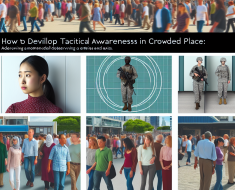
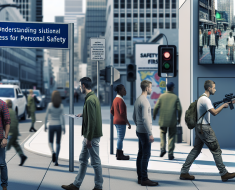
The first rule is situational awareness. Constantly scan your surroundings for potential threats as well as available objects that could serve as cover or concealment. This proactive mindset allows quicker reactions if danger arises unexpectedly.
2. Move Strategically Between Points of Cover
If you find yourself exposed during an attack, moving intelligently between pieces of cover increases your survivability:
- Sprint low: Keep a low profile while moving quickly to reduce target size.
- Zigzag movement: Erratic movement makes it harder for attackers to aim accurately.
- Use suppression fire if armed: Providing covering fire can suppress an attacker’s ability to shoot accurately while you move.
3. Use Concealment When Cover Isn’t Available
If solid cover isn’t accessible, use concealment to hide your position temporarily while planning your next move—whether that’s escape or engagement with an attacker. Avoid standing still behind mere concealment for long periods since it doesn’t stop bullets or attacks directly aimed at your location.
4. Maintain Awareness While Behind Cover
A common misconception is that being behind cover makes you invulnerable—this is false. You must maintain vigilance because attackers might try flanking maneuvers or use explosives/other tactics to circumvent your position. Keep scanning for threats from multiple angles whenever possible.
5. Communicate Your Position When Safe To Do So
If possible, notify authorities or bystanders about your location once you’ve secured effective cover. Clear communication helps responders assist you more efficiently without exposing yourself unnecessarily.