How to Train for Tactical Defense Against Multiple Attackers
Facing a single assailant in self-defense situations is challenging enough, but encountering multiple attackers dramatically increases the complexity and danger. Training for tactical defense against multiple attackers requires a unique blend of physical skills, mental preparedness, situational awareness, and strategic thinking. This article explores effective methods and principles to prepare individuals for such high-stakes encounters, supported by real-world examples and expert insights.
Understanding the Threat: Why Multiple Attackers Are Different
Multiple attackers create a dynamic and unpredictable environment that differs significantly from one-on-one confrontations. The threat is not just doubled or tripled; it grows exponentially due to factors such as:
- Flanking and Surrounding: Attackers can approach from different angles simultaneously, limiting escape routes.
- Overwhelm Tactics: Coordinated attacks are designed to exhaust the defender physically and mentally.
- Increased Risk of Injury: Defending against multiple targets increases the likelihood of sustaining injuries.
A study published in the Journal of Interpersonal Violence found that victims attacked by multiple assailants were significantly more likely to suffer serious injuries compared to those attacked by a single person. This highlights the importance of specialized training to address these challenges effectively.
Building a Tactical Mindset: Mental Preparation and Situational Awareness
Tactical defense against multiple attackers starts long before any physical confrontation—it begins with mental conditioning and acute situational awareness.
- Developing Situational Awareness: Recognizing potential threats early can prevent surprise attacks. Training should focus on scanning environments, identifying suspicious behavior, and understanding escape routes.
- Stress Inoculation: Simulated high-pressure scenarios help train the mind to stay calm under duress, improving decision-making speed and accuracy during real encounters.
- Prioritization Skills: In multiple attacker situations, quickly assessing which opponent poses the most immediate threat is critical. This includes learning to identify who is armed or most aggressive.
- Mental Rehearsal: Visualizing possible attack scenarios prepares the brain for rapid response. Studies on athletes and military personnel show that mental rehearsal enhances actual performance under pressure.
The case of retired Navy SEAL Jocko Willink illustrates this well. Willink emphasizes the concept of “cover and move” in hostile environments—focusing on controlling space and managing threats one at a time instead of trying to confront all attackers simultaneously.
Physical Conditioning: Enhancing Agility, Strength, and Endurance
Tactical defense against multiple attackers demands superior physical conditioning. Unlike traditional self-defense focusing on brute strength or single strikes, multi-attacker scenarios require endurance, quick reflexes, and mobility.
- Cardiovascular Fitness: Maintaining high levels of cardio fitness ensures you can sustain movement during prolonged encounters without fatigue compromising your effectiveness.
- Agility Drills: Exercises like ladder drills, cone drills, and plyometrics improve footwork—vital for evading attacks from different directions quickly.
- Functional Strength Training: Focus on compound movements such as squats, deadlifts, kettlebell swings, and push-ups that build practical power rather than isolated muscle growth.
- Core Stability: A strong core improves balance and allows for better control when grappling or striking multiple opponents.
A study published in Sports Medicine suggests that mixed martial artists who incorporated agility training reduced their reaction times by up to 20%, an advantage crucial when facing several adversaries simultaneously. Moreover, physical endurance ensures you don’t become vulnerable after just a few seconds of intense activity—a common scenario in multi-attacker fights where continuous movement is necessary.
Tactical Techniques: Strategies for Managing Multiple Opponents
The right techniques can mean the difference between escaping safely or being overwhelmed. Here are key tactical principles and methods trained by experts worldwide:
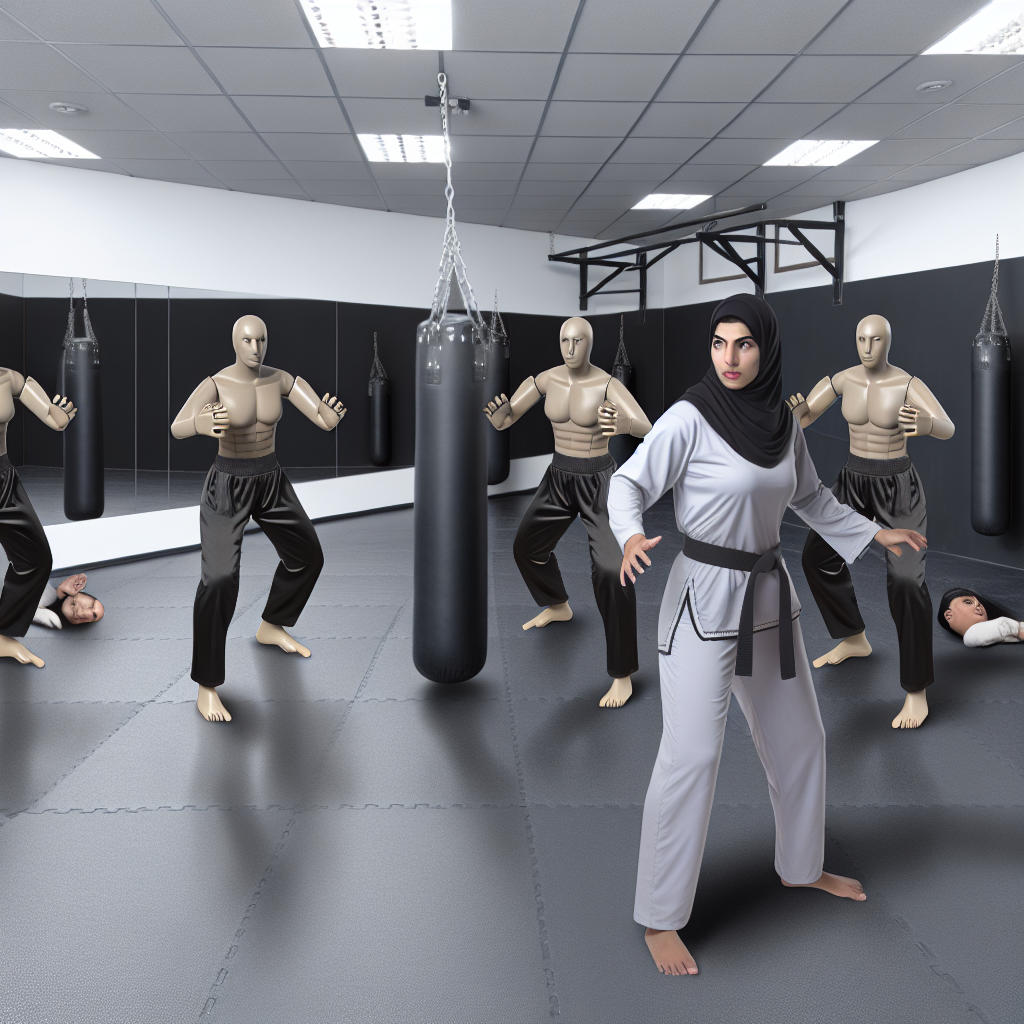
- Maneuvering to Avoid Being Surrounded: Always seek to keep attackers lined up rather than encircling you. Moving laterally along a wall or using environmental obstacles can limit their angles of attack.
- “Defeat in Detail”: This military tactic involves isolating one attacker at a time rather than engaging all simultaneously. By creating distance between opponents or forcing them into narrow spaces (like doorways), you reduce their numerical advantage.
- Aggressive Counterattacks: Quick, decisive strikes targeting vulnerable areas (throat, eyes, groin) can incapacitate one attacker fast enough to focus on others.
- Circular Movement: Circling around attackers prevents them from coordinating effectively while keeping you in motion reduces predictability.
- Weapon Utilization: When legal and feasible, carrying non-lethal defensive tools such as pepper spray or tactical flashlights provides additional options to disrupt attackers’ coordination without escalating violence excessively.
An illustrative example comes from law enforcement training protocols where officers practice “contact-and-cover” techniques when faced with multiple suspects.
One officer engages while others provide cover fire or tactical positioning—translating similarly into civilian self-defense as managing threats one at a time. By employing these strategies, individuals can enhance their chances of effectively defending themselves in challenging situations.