How to Choose the Best Tactical Holster
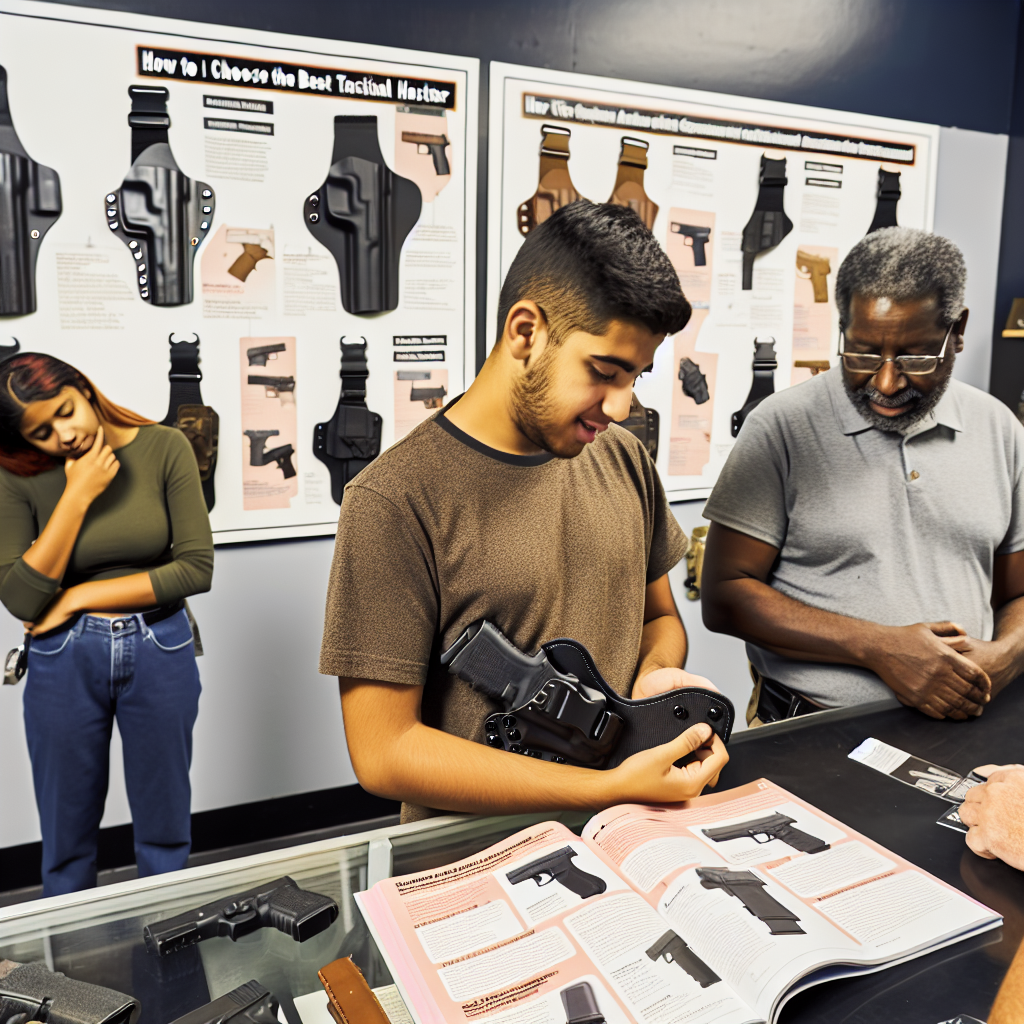
Choosing the best tactical holster is a critical decision for anyone who carries a firearm regularly, whether for professional duty, personal defense, or recreational shooting. A tactical holster is more than just a storage accessory; it impacts your comfort, safety, weapon retention, and accessibility. With the vast array of options on the market today, making an informed choice can seem daunting.
This comprehensive guide will walk you through the essential considerations when selecting a tactical holster. We will explore materials, design types, retention mechanisms, and practical examples to help you find the perfect match for your needs.
Understanding Tactical Holsters: What Sets Them Apart?
Before diving into how to choose a tactical holster, it’s important to understand what makes a holster “tactical.” Unlike everyday carry (EDC) holsters designed primarily for concealment and comfort, tactical holsters prioritize quick access, weapon retention under dynamic conditions, and durability in harsh environments.
Tactical holsters are commonly used by military personnel, law enforcement officers, and security professionals. They often feature rugged construction and multiple retention systems to prevent weapon loss during physical activity or confrontations.
- Durability: Made from tough materials like reinforced polymer or high-quality leather.
- Retention: Multiple locking mechanisms such as thumb breaks, hood straps, or retention screws.
- Accessibility: Designed for rapid draw in stressful situations.
- Attachment Options: Compatible with MOLLE systems or belt loops for versatile mounting.
By understanding these characteristics, you’ll be better equipped to evaluate specific models according to your requirements.
Key Factors to Consider When Choosing a Tactical Holster
Selecting the right tactical holster involves balancing several factors that affect performance and usability. Here are the most important considerations:
1. Material
The material of your tactical holster affects durability, weight, comfort, and weapon protection. Common materials include:
- Kydex: A molded thermoplastic known for rigidity and durability. It offers excellent retention and weather resistance but can be less comfortable against the skin.
- Leather: Traditional material prized for comfort and aesthetics. Leather molds over time but may wear out faster in extreme conditions and requires maintenance.
- Nylon/Polymer Fabric: Lightweight and flexible options often used in budget-friendly holsters. These provide less retention but are comfortable for extended wear.
Case Study: A 2021 study by TacticalGear.com found that Kydex holsters had a 35% higher retention rate during dynamic drills compared to leather counterparts in law enforcement simulations.
2. Retention Mechanisms
Your firearm must stay securely in place while allowing quick access when needed. Retention systems vary widely:
- Passive Retention: Uses friction and precise molding around the gun’s shape; common in Kydex holsters.
- Active Retention: Additional locks or straps requiring manual disengagement (e.g., thumb breaks, hood straps).
- Screw-Adjustable Retention: Allows users to tighten or loosen the fit depending on preference.
A good tactical holster often combines passive and active retention for maximum security without sacrificing speed during draw. For example, Safariland’s ALS (Automatic Locking System) integrates an automatic locking mechanism disengaged by natural thumb motion during draw—widely adopted by military and police units worldwide.
3. Carry Position and Mounting Options
Your preferred carry position influences comfort and draw speed. Tactical holsters come with various mounting configurations such as:
- Belt Holsters: Standard option worn on the waist; offers stability and easy access.
- MOLLE-Compatible Holsters: Designed to attach to tactical vests or backpacks using MOLLE webbing systems.
- Drop-Leg Holsters (Thigh Holsters): Positioned lower on the leg for quick access while seated or crouched; popular among military personnel.
- Paddle Holsters: Easily removable from the belt but may sacrifice some stability during rigorous movement.
Selecting the right mounting style depends on your operational environment and mobility needs. For instance, patrol officers might prefer belt-mounted holsters for ease of access during foot patrols, whereas special forces operators might favor drop-leg configurations when wearing body armor or additional gear.
4. Compatibility with Your Firearm
A critical step is ensuring that your chosen holster is specifically designed or adjustable for your firearm model. Universal holsters may not provide proper fit or retention necessary in high-stress scenarios.
-
<li<Check manufacturer specifications carefully before purchase; many brands offer model-specific versions tailored to exact dimensions of popular pistols like Glock 19, Sig Sauer P320, or Smith & Wesson M&P series.
- If you own custom firearms with aftermarket modifications such as extended magazines or mounted lights/lasers, look for holsters that accommodate these additions without compromising fit or function.</