How to Develop Tactical Awareness in Crowded Places
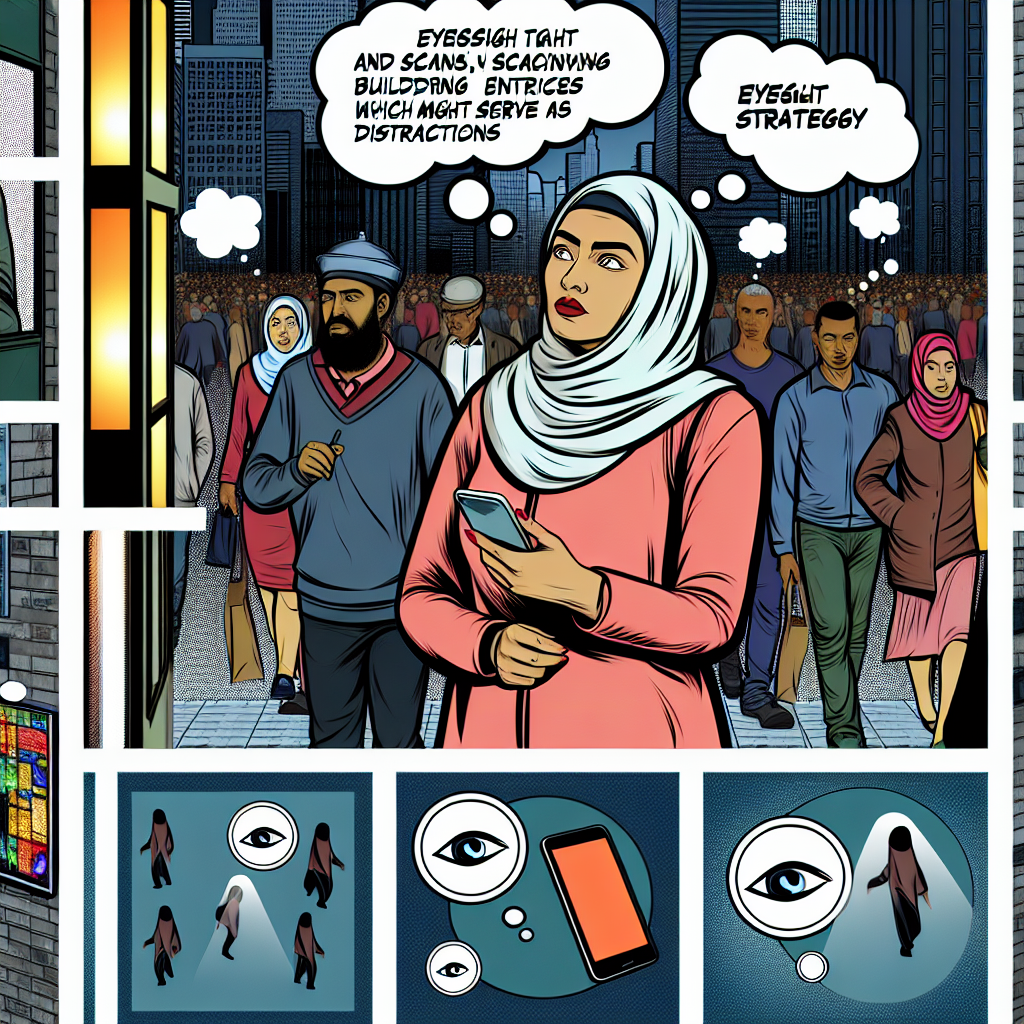
In an increasingly urbanized world, crowded places such as public transportation hubs, festivals, shopping malls, and busy streets have become a daily reality for millions. Navigating these environments safely and effectively requires more than just physical agility; it demands a heightened sense of tactical awareness. Tactical awareness is the ability to perceive, understand, and respond to your surroundings proactively, especially in potentially stressful or hazardous situations.
This article explores how to develop tactical awareness in crowded places by delving into practical strategies, psychological techniques, and real-world examples. Whether you’re a commuter, event-goer, or someone interested in personal safety, these insights will help you stay alert and make better decisions when surrounded by dense crowds.
Understanding Tactical Awareness: What It Is and Why It Matters
Tactical awareness is often associated with military or law enforcement contexts, but its principles are universally applicable. It involves situational awareness combined with proactive decision-making and risk assessment. In crowded places, where chaos and unpredictability reign, having tactical awareness can mean the difference between avoiding danger and becoming a victim of theft, assault, or accidents.
Key components of tactical awareness include:
- Perception: Noticing what is happening around you beyond your immediate focus.
- Comprehension: Understanding the significance of what you observe.
- Projection: Anticipating potential developments based on current information.
- Decision-making: Choosing the best course of action promptly.
A 2020 study by the National Safety Council revealed that individuals with higher situational awareness were 40% less likely to be involved in accidents or victimized in public spaces. This statistic underscores the importance of developing these skills for everyday safety.
The Psychology Behind Crowd Behavior and How It Affects Awareness
Crowds are complex systems characterized by dynamic interactions among individuals. Understanding crowd psychology can enhance your tactical awareness by helping you predict movements and identify unusual behavior.
Key psychological concepts to understand include:
- Deindividuation: People in crowds may lose their sense of individual responsibility, sometimes leading to irrational or aggressive behavior.
- Herd mentality: Individuals tend to follow the majority’s actions without critical thought, which can result in bottlenecks or stampedes during emergencies.
- Crowd density effects: As crowd density increases beyond four people per square meter, movement becomes restricted and stress levels rise sharply.
A poignant example is the tragic 2015 Hajj stampede in Mina, Saudi Arabia, where over 2,000 pilgrims lost their lives due to panic-induced crowd surges. The incident highlights how understanding crowd dynamics can be crucial for personal safety during mass gatherings.
Practical Steps to Enhance Tactical Awareness in Crowded Environments
Developing tactical awareness is a skill that improves with practice and conscious effort. Here are practical steps you can incorporate into your daily routine when navigating crowded places:
1. Cultivate Situational Scanning Habits
-
360-degree awareness: Regularly scan your environment instead of focusing solely on your phone or immediate path. This helps detect potential threats early.
-
Identify exit routes: Always be aware of multiple exits wherever you go. In emergencies such as fires or riots, knowing escape routes can save lives.
-
Observe body language: Watch for signs of agitation or unusual behavior that might indicate conflict or risk nearby.
2. Manage Your Personal Space Effectively
-
Crowds often compress personal space; strive to maintain a buffer zone where possible to reduce vulnerability.
-
If someone invades your space aggressively or suspiciously lingers near you repeatedly (a common tactic among pickpockets), be prepared to move away assertively.
3. Use Mental Mapping Techniques
-
Create mental maps of key landmarks such as security desks, restrooms, emergency exits, and safe zones within crowded areas.
-
This mapping allows quicker navigation under pressure and improves confidence when moving through unfamiliar settings.
4. Stay Calm Under Pressure
-
Panic impairs decision-making; practice mindfulness techniques like controlled breathing to remain calm during tense situations.
-
A calm demeanor also signals confidence that can deter potential aggressors who often target vulnerable individuals.
5. Limit Distractions
-
Avoid excessive use of headphones or mobile devices that impair your ability to hear and see what’s happening around you.
-
If using technology (e.g., maps), pause at safe spots rather than walking while distracted.
The digital age offers new tools for enhancing tactical awareness but also presents challenges due to the overwhelming amount of information and distractions available. Balancing technology use with situational awareness is key.
By implementing these strategies, you can significantly improve your ability to navigate crowded places safely and effectively.