How to Balance Speed and Precision in Matches
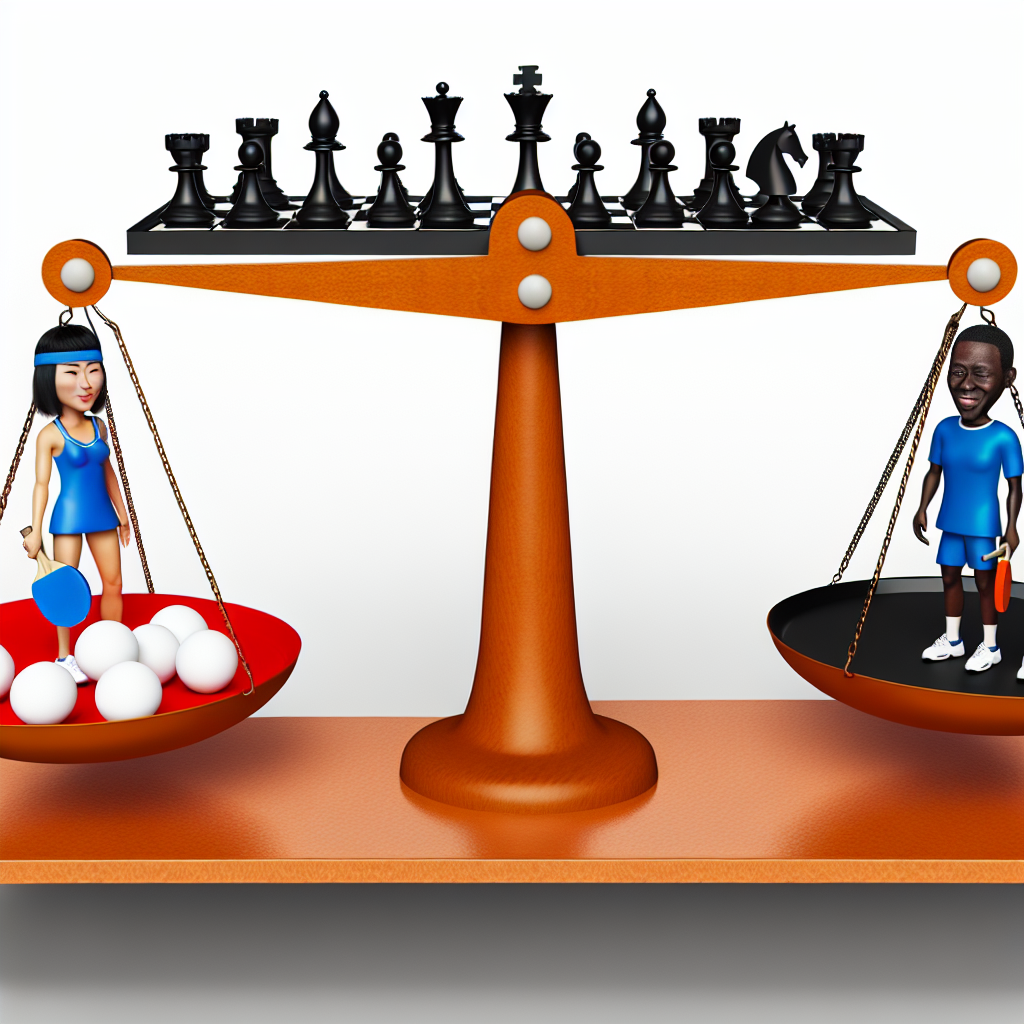
In competitive environments—whether in esports, traditional sports, or strategic board games—the ability to balance speed and precision often distinguishes the best performers from the rest. Rapid decision-making can overwhelm opponents and seize opportunities quickly, but without accuracy, haste can lead to costly mistakes. Conversely, overemphasizing precision may cause delays that allow competitors to capitalize on your hesitation. Striking the right balance between speed and precision is therefore essential for success in matches across disciplines.
This article explores strategies to optimize this delicate balance, drawing from research, case studies, and expert insights to help players improve their performance under pressure.
The Importance of Balancing Speed and Precision
Speed and precision are often viewed as opposing forces in competitive scenarios. Speed refers to how quickly decisions and actions are executed, while precision relates to the accuracy and quality of those decisions. Both qualities contribute uniquely to performance:
- Speed: Enables quick exploitation of openings and keeps opponents off balance.
- Precision: Minimizes errors, conserves resources, and maximizes the effectiveness of actions.
Research from cognitive psychology shows that decision-making under pressure involves a trade-off between speed and accuracy known as the speed-accuracy tradeoff (SAT). According to a study published in Psychological Review, individuals tend to sacrifice accuracy when pressured to respond faster, but training can help optimize this balance by improving automaticity without compromising precision.
For example, in professional first-person shooter (FPS) games like “Counter-Strike: Global Offensive,” players must react within milliseconds while maintaining pinpoint aim. A lapse in either can mean defeat. Similarly, in chess tournaments, rapid time controls require fast calculation with minimal errors—a delicate balancing act for grandmasters.
Understanding Your Personal Playstyle
The first step towards balancing speed and precision is understanding your natural playstyle and strengths. Players often lean toward one side of the spectrum:
- The Speed-Oriented Player: Thrives on quick reactions but may be prone to mistakes or impulsive decisions.
- The Precision-Oriented Player: Excels at careful planning but may struggle with time pressure or rapid adaptation.
Identifying your tendencies allows you to tailor training approaches accordingly. For instance, if you tend to rush decisions resulting in errors, focus on drills that emphasize controlled pacing. Conversely, if you are methodical but slow, incorporate exercises that enhance quick decision-making under stress.
A case study involving professional StarCraft II players revealed that top-tier competitors balance aggressive play (speed) with calculated build orders (precision), adjusting their approach dynamically based on opponent behavior and game state. This adaptability comes from deep knowledge of game mechanics combined with mental flexibility.
Techniques for Improving Speed Without Sacrificing Precision
Improving speed while maintaining accuracy requires deliberate practice and cognitive strategies:
- Chunking Information: Break down complex tasks into smaller components that become automated through repetition. For example, a basketball player practices free throws repeatedly until muscle memory allows consistent execution quickly under pressure.
- Focused Training Sessions: Use drills designed specifically for rapid decision-making paired with accuracy goals. For instance, in FPS gaming, aim trainers like Aim Lab provide scenarios where players practice target acquisition at increasing speeds without missing shots.
- Mental Simulation: Visualize match scenarios at high speed with precise outcomes. Mental rehearsal activates neural pathways similarly to physical practice, reinforcing quick yet accurate responses.
- Time-Boxed Practice: Set strict time limits during practice matches or drills forcing faster choices while tracking error rates. Gradually reduce time allowances as proficiency improves.
A notable example comes from tennis legend Roger Federer who incorporates targeted drills focusing on reaction speed combined with shot placement precision. His ability to execute high-speed rallies with minimal unforced errors underscores the effectiveness of such balanced training methods.
The Role of Technology and Analytics in Balancing Speed and Precision
The rise of technology has revolutionized how players analyze their performance related to speed and precision metrics. Tools such as motion capture systems, eye-tracking software, and data analytics platforms enable detailed breakdowns of player behavior during matches.
- Performance Analytics: Platforms like Mobalytics (for League of Legends) provide insights into reaction times versus action accuracy rates helping players identify weaknesses related to rushing or hesitating excessively.
- Wearable Tech: Devices measuring heart rate variability (HRV) can indicate stress levels impacting cognitive processing speed and precision under pressure conditions.
- Replay Review & AI Analysis: Reviewing match footage augmented by AI can highlight moments where speeding up or slowing down could have changed outcomes positively or negatively.
A recent study involving professional football quarterbacks found that those who maintained optimal physiological arousal levels achieved quicker yet more precise throws compared to peers experiencing higher anxiety levels—showing how biofeedback can guide training adjustments for better balance.
Mental Conditioning: Managing Pressure for Optimal Performance
Mental resilience is crucial when balancing speed with precision during high-stakes matches where stress can impair cognitive functions leading to rushed errors or overthinking delays.
- Meditation &