How to Train Your Mind for High-Stress Situations
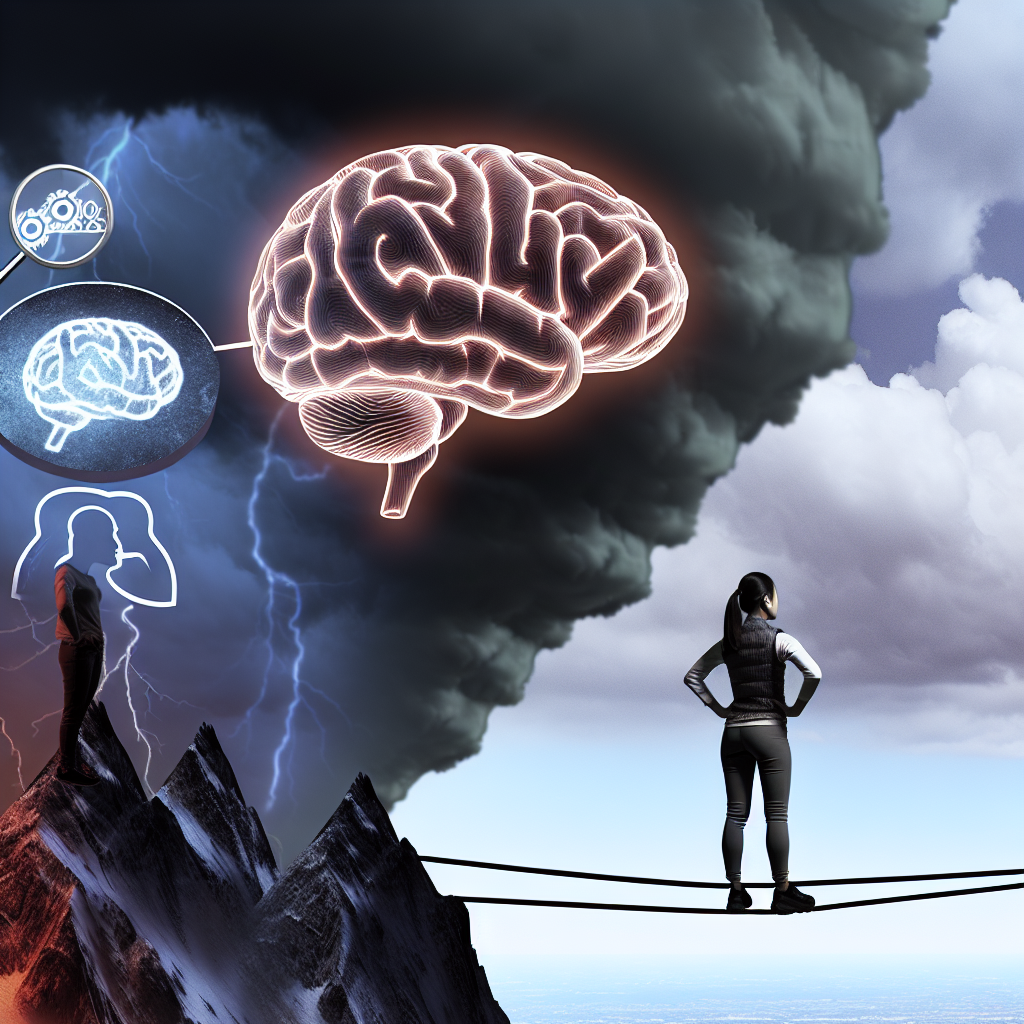
In today’s fast-paced and unpredictable world, encountering high-stress situations is almost inevitable. Whether it’s a critical presentation at work, an emergency scenario, or a personal crisis, the ability to remain calm, focused, and effective under pressure is a skill that can be developed and honed. Training your mind to perform optimally in stressful environments not only improves your decision-making but also enhances your overall well-being.
This article explores evidence-based strategies and practical techniques to train your mind for high-stress situations. Drawing from psychological research, neuroscience, and real-world case studies, we will provide actionable insights to help you build mental resilience and maintain composure when it matters most.
Understanding Stress: The Mind-Body Connection
Before diving into training methods, it’s essential to understand what happens inside the brain during stress. Stress triggers the body’s “fight or flight” response, releasing hormones like adrenaline and cortisol. While these hormones prepare you for immediate action by increasing heart rate and sharpening focus, prolonged exposure can impair cognitive function and emotional regulation.
According to the American Psychological Association (APA), moderate levels of stress can enhance performance by increasing alertness; however, chronic or excessive stress often leads to anxiety, impaired judgment, and burnout. Understanding this delicate balance helps in designing mental training that leverages stress positively rather than letting it overwhelm you.
The Science Behind Stress Resilience
Research in neuroscience shows that the prefrontal cortex—responsible for executive functions like decision-making and emotional regulation—is highly sensitive to stress hormones. When stressed, its activity decreases while the amygdala (the brain’s fear center) becomes more active. This shift impairs rational thinking and increases impulsivity.
Training your mind aims to strengthen the prefrontal cortex’s control over the amygdala under pressure. Techniques such as mindfulness meditation have been shown to increase gray matter density in areas related to attention and emotional regulation (Hölzel et al., 2011). This neuroplasticity forms the foundation of effective stress management.
Techniques to Train Your Mind for Stressful Situations
Building mental resilience requires consistent practice of techniques that enhance focus, emotional control, and adaptability. Below are several evidence-backed methods:
- Mindfulness Meditation: Practicing mindfulness helps you stay present and observe stressful thoughts without reacting impulsively. A study published in JAMA Internal Medicine found that mindfulness-based stress reduction (MBSR) significantly reduces anxiety symptoms.
- Cognitive Reappraisal: This involves reframing negative thoughts about a situation into more positive or neutral perspectives. For example, viewing a challenging task as an opportunity rather than a threat can reduce perceived stress.
- Controlled Breathing Exercises: Techniques like diaphragmatic breathing or box breathing activate the parasympathetic nervous system, lowering heart rate and calming the mind during acute stress.
- Visualization and Mental Rehearsal: Athletes often use visualization to mentally practice performance under pressure. Imagining success helps program your brain for calm execution when faced with real challenges.
- Exposure Therapy: Gradually exposing yourself to stress-inducing scenarios in controlled settings builds tolerance and reduces fear responses over time.
Case Study: Navy SEALs’ Mental Conditioning
The U.S. Navy SEALs are renowned for their ability to perform under extreme pressure. Their training incorporates mental conditioning techniques such as controlled breathing (“combat breathing”), visualization of mission scenarios, and cognitive reappraisal strategies taught during “Hell Week.” These practices enable SEALs to regulate fear responses and maintain focus despite physical exhaustion.
A study examining Navy SEAL trainees revealed that those with higher emotional regulation skills had better performance outcomes in stressful drills (Morgan et al., 2006). This highlights how mental training directly correlates with effective stress management in life-or-death situations.
The Role of Physical Health in Mental Resilience
Mental strength is closely intertwined with physical well-being. Regular exercise not only improves cardiovascular health but also enhances brain function by increasing blood flow and promoting neurogenesis—the growth of new neurons—especially in regions related to memory and emotion regulation.
- Aerobic Exercise: Activities such as running or swimming have been shown to reduce cortisol levels and improve mood through endorphin release.
- Sleep Hygiene: Quality sleep is critical for cognitive processing and emotional balance; sleep deprivation amplifies stress sensitivity.
- Nutritional Support: Diets rich in omega-3 fatty acids, antioxidants, and vitamins support brain health and reduce inflammation linked with chronic stress.
A meta-analysis published in Psychoneuroendocrinology found that regular physical activity reduced symptoms of anxiety by up to 25%, demonstrating its power as a complementary tool in mental resilience building (Stubbs et al., 2017).
Cultivating Emotional Intelligence Under Pressure
Emotional intelligence (EI) refers to the ability to recognize, understand, manage one’s own emotions, as well as those of others. High EI is a key predictor of success in stressful environments because it facilitates empathy, communication, and conflict resolution—all critical when stakes are high.