How to Maintain Your Tactical Firearm in the Field
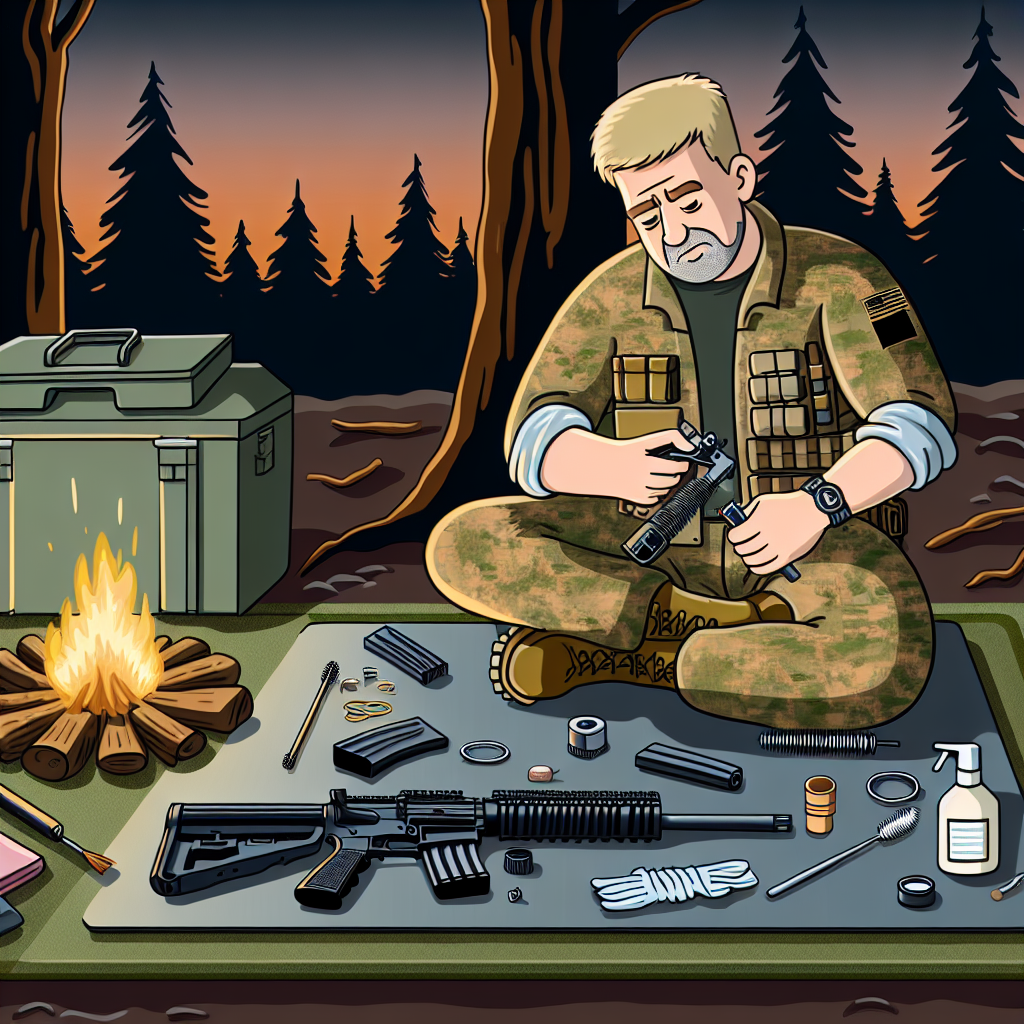
Maintaining a tactical firearm in the field is a critical skill for military personnel, law enforcement officers, and survival enthusiasts alike. A well-maintained firearm ensures reliability, accuracy, and safety during high-stakes situations where failure is not an option. However, maintaining a weapon outside the controlled environment of a workshop or armory presents unique challenges. This article provides a comprehensive guide on how to effectively care for your tactical firearm in the field, incorporating practical techniques, real-world examples, and expert insights.
Understanding the Importance of Field Maintenance
Field maintenance goes beyond routine cleaning; it’s about ensuring your firearm functions optimally under adverse conditions. Tactical firearms are often exposed to dirt, moisture, sand, and extreme temperatures during operations. These elements can cause malfunctions such as jams, misfires, or corrosion, which could jeopardize your mission or safety.
According to a study by the U.S. Army Research Laboratory (ARL), over 70% of small arms malfunctions during training exercises were attributed to inadequate maintenance and environmental factors such as dust and moisture. This highlights the necessity of proper field care to maintain operational readiness.
Whether you’re in a desert environment with fine sand particles or in humid jungle terrain with persistent moisture, understanding how these conditions affect your firearm is vital for developing effective maintenance routines.
Essential Tools and Supplies for Field Maintenance
Preparation is key when it comes to firearm maintenance in the field. Carrying the right tools and supplies can make all the difference between a smoothly operating weapon and one prone to failure.
- Cleaning Kit: A compact kit including brushes, patches, cleaning rods, and jags tailored for your specific firearm caliber.
- Lubricants: High-quality lubricants designed for firearms that function well under extreme temperatures. Some options include CLP (Cleaner-Lubricant-Protector) or specialized synthetic oils.
- Protective Cloths: Microfiber or lint-free cloths for wiping down surfaces without leaving residue.
- Multi-tool: A sturdy multi-tool with screwdrivers and pliers can assist in minor repairs or adjustments on the go.
- Spare Parts: Critical components such as firing pins or springs can be lifesavers if you experience part failures during prolonged operations.
- Waterproof Storage: To keep cleaning supplies dry and protected from environmental elements.
A notable case involved Navy SEAL teams operating in maritime environments who emphasized the importance of corrosion-resistant lubricants after encountering saltwater exposure that caused rapid rusting without proper lubrication. Their experience underscores selecting products specifically suited for your operational environment.
Step-by-Step Guide to Field Cleaning Your Tactical Firearm
The goal of field cleaning is to remove fouling, debris, and moisture that could impair your firearm’s function while minimizing time spent away from your mission. Here’s a streamlined process suitable for most tactical firearms:
- Safety First: Always ensure your firearm is unloaded before any maintenance procedure. Remove magazines and clear chambers visually and physically.
- Dismantle Basic Components: Field-strip your weapon into major parts—typically barrel, bolt carrier group (BCG), slide, etc.—following manufacturer instructions.
- Remove Loose Debris: Use compressed air if available or tap out large particles gently to avoid pushing debris further into mechanisms.
- Clean Barrel and Chamber: Run dry patches through the barrel until they come out clean. Follow with lightly oiled patches if conditions warrant lubrication to prevent rust.
- Brush Moving Parts: Use nylon or brass brushes on bolt faces, gas rings, and rails to remove carbon buildup without damaging metal surfaces.
- Lubricate Key Areas: Apply lubricant sparingly on contact points such as rails, bolt carrier interfaces, and trigger components—avoid over-lubrication which can attract dirt.
- Reassemble and Function Check: Reassemble weapon carefully and perform function checks to ensure all parts move smoothly and safely operate.
A practical example comes from Special Forces operators who recommend conducting this quick cleaning sequence every few hundred rounds during extended missions to prevent accumulation of carbon fouling—a common cause of stoppages in automatic weapons like the M4 carbine.
Troubleshooting Common Field Malfunctions
No matter how diligent you are with maintenance, malfunctions can still occur due to harsh conditions or wear-and-tear. Knowing how to quickly identify and address these issues can restore your weapon’s functionality promptly.
- Failure to Feed (FTF): Often caused by dirty magazines or weak springs. Solution: Clear magazine well; clean or replace magazines if possible; inspect ammunition quality.
- Failure to Eject (FTE): Caused by fouling on extractor or ejector. Solution: Clean extractor claw; ensure proper lubrication; check for damaged parts.
- Slam Fires or Unintended Discharges: Usually related to trigger mechanism contamination or worn parts. Solution: Clean trigger assembly carefully; avoid excessive lubrication here; seek replacement parts if feasible.