How to Build a Tactical Emergency Survival Bag
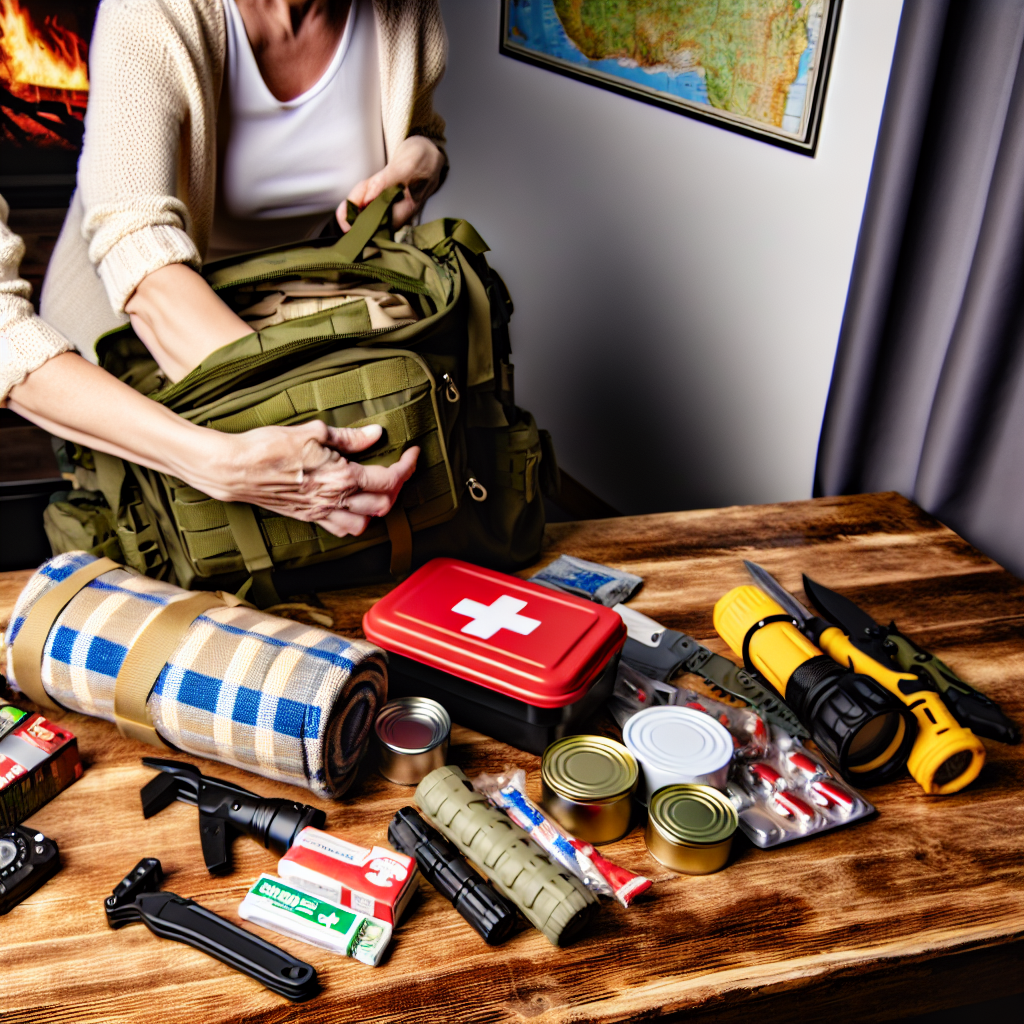
In an unpredictable world, being prepared for emergencies is no longer a luxury but a necessity. Whether you are facing natural disasters, civil unrest, or unexpected wilderness situations, having a well-assembled tactical emergency survival bag can be the difference between life and death. This article guides you through the essential steps of building your own tactical emergency survival bag, ensuring you are equipped to handle various crises with confidence and resilience.
Understanding the Purpose of a Tactical Emergency Survival Bag
A tactical emergency survival bag, often referred to as a “bug-out bag” or “go-bag,” is designed to provide immediate access to critical supplies during emergencies. Unlike regular backpacks, these bags emphasize functionality, durability, and versatility. The goal is to sustain you for at least 72 hours—considered the critical window during which professional help may arrive or conditions stabilize.
According to the Federal Emergency Management Agency (FEMA), 72 hours is the minimum amount of time people should be prepared to survive on their own after a disaster strikes. Therefore, your survival bag must contain essentials that address basic human needs: water, food, shelter, warmth, first aid, and communication.
Additionally, tactical bags often incorporate features inspired by military-grade equipment such as MOLLE (Modular Lightweight Load-carrying Equipment) webbing for customization and high-quality materials that withstand harsh environments.
Choosing the Right Bag: Foundation of Your Survival Kit
The choice of your survival bag sets the stage for everything else. It should be durable, comfortable to carry for extended periods, and offer enough compartments for organized storage.
- Material: Opt for bags made from high-denier nylon or polyester (e.g., 500D or 1000D Cordura) which are water-resistant and abrasion-resistant.
- Size: A 20-40 liter capacity backpack is typically sufficient to carry essentials without being too bulky.
- MOLLE Compatibility: Bags with MOLLE webbing allow attachment of pouches and tools externally for quick access.
- Comfort: Look for padded shoulder straps, adjustable chest and waist belts to distribute weight evenly.
- Color and Camouflage: Depending on your environment or personal preference, choose colors ranging from black and olive drab to desert tan.
A case study from the International Journal of Disaster Risk Reduction found that individuals with well-packed backpacks were more likely to evacuate efficiently in urban disasters compared to those without any preparedness kit. This underscores how vital the right bag is in facilitating swift mobility during emergencies.
Essential Components: What Should Your Tactical Survival Bag Contain?
The contents of your tactical emergency survival bag should comprehensively cover your needs for at least three days. Below is a breakdown of core categories with examples:
Water and Hydration
- Water bottles or hydration bladder: At least two liters capacity; hydration bladders allow hands-free drinking.
- Water purification tools: Portable filters (e.g., Sawyer Mini), purification tablets (e.g., chlorine dioxide), or UV purifiers like SteriPEN.
A study by the Centers for Disease Control and Prevention (CDC) indicates that dehydration significantly impairs cognitive function within hours. Ensuring access to clean drinking water is paramount in any survival scenario.
Food Supplies
- Non-perishable food items: High-calorie energy bars, freeze-dried meals, canned goods with pull-tabs.
- Compact cooking system: Small stove with fuel tablets or multi-fuel capability if space allows.
The caloric intake requirement can vary based on activity level but aiming for around 2000 calories per day will keep energy levels stable. Freeze-dried meals are lightweight and retain nutrients effectively over long periods.
Shelter and Warmth
- Tarp or lightweight tent: For protection against elements like rain or wind.
- Sleeping bag or bivvy sack: Choose temperature-rated gear appropriate for your climate zone.
- Emergency thermal blanket: Compact Mylar blankets provide warmth by reflecting body heat back.
The National Weather Service reports that hypothermia can set in quickly even in mild weather when wet or exposed; thus proper shelter items are crucial regardless of season.
First Aid Kit
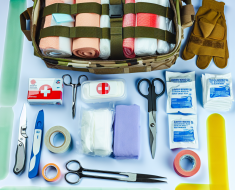
- Basic medical supplies: Bandages, antiseptic wipes, gauze pads, adhesive tape, scissors.
- Pain relief medications: Ibuprofen or acetaminophen packets.
- Additional items: Tweezers, safety pins, splints, burn cream.
An analysis by the American Red Cross shows that self-administered first aid can reduce complications significantly during delayed rescue scenarios. Tailoring your kit based on personal health conditions enhances effectiveness further.
Tools and Navigation
- Multi-tool: With pliers, knife blades, screwdrivers—a versatile asset in many situations.
Consider including a map of your local area and a compass to help with navigation in case of emergencies.
By carefully selecting items for your tactical emergency survival bag, you can ensure you’re prepared for a variety of situations.