Choosing the Right Holster for Quick Draw: A Comprehensive Guide
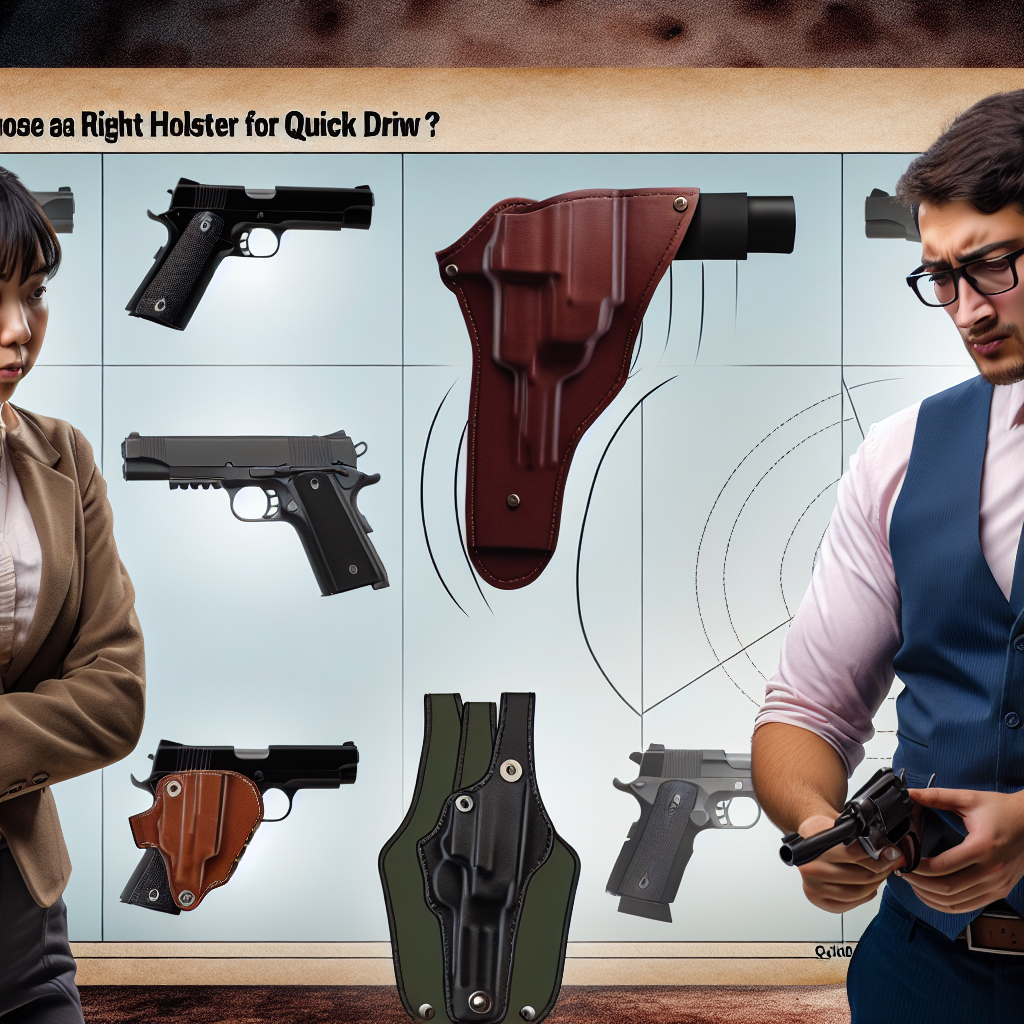
In the world of firearms, especially for those who prioritize speed and efficiency, selecting the right holster for quick draw can be a game-changer. Whether you’re a competitive shooter, law enforcement officer, or a civilian interested in personal defense, the holster you choose impacts your draw speed, safety, comfort, and overall effectiveness.
This article dives deep into understanding what makes a holster ideal for quick draw scenarios. We will explore different types of holsters, materials, carry positions, and practical considerations backed by research and real-world examples. By the end, you’ll be equipped with valuable insights to make an informed decision tailored to your needs.
Understanding Quick Draw: What Does It Entail?
Before diving into the specifics of holsters, it’s crucial to understand what “quick draw” means in different contexts. Quick draw refers to the ability to rapidly and safely bring your firearm from its resting place into firing position.
Quick draw is essential in:
- Competitive Shooting: Events like USPSA (United States Practical Shooting Association) and IDPA (International Defensive Pistol Association) emphasize fast draws to score better times.
- Law Enforcement: Officers may need to draw their weapon swiftly in life-threatening situations.
- Personal Defense: Civilians carrying concealed weapons often face scenarios where a quick response is critical.
A study conducted by the National Institute of Justice highlighted that reaction times in defensive encounters often fall under two seconds from perceived threat to drawing a weapon. This underscores how every fraction of a second matters.
The Anatomy of a Holster: Key Features Affecting Quick Draw
A holster is not just a firearm holder; it’s an accessory that directly influences your ability to access your weapon quickly while maintaining safety. Understanding key features helps in evaluating which holster suits quick draw best.
- Retention Mechanisms: Retention ensures the firearm stays secure during movement but can slow down drawing if too restrictive. Holsters range from passive retention (friction-based) to active retention (locks or straps).
- Material: Common materials include leather, Kydex (a thermoplastic), nylon, and hybrid combinations. Material impacts durability, smoothness of draw, and comfort.
- Trigger Guard Coverage: Essential for safety; ensures no accidental trigger engagement during draw or reholstering.
- Adjustability: Adjustable cant (angle), ride height (how high/low it sits), and tension affect how naturally and quickly you can access your firearm.
- Comfort & Concealability: While important for daily carry, these factors also influence muscle memory and speed during the draw.
Types of Holsters Suitable for Quick Draw
Selecting the right type depends on your use case and preference. Below are some popular holster types known for facilitating quick draws:
1. Outside-the-Waistband (OWB) Holsters
Description: OWB holsters attach to your belt outside your pants. They typically allow for faster draws because the firearm is more accessible without fabric obstruction.
Pros:
- Easier and faster access compared to inside-the-waistband options.
- Larger variety available with adjustable retention options.
- Often preferred in competitive shooting due to ease of movement.
Cons:
- Poor concealability for daily carry as they print more easily under clothing.
- Slightly more exposed to environmental elements or snagging on objects.
2. Inside-the-Waistband (IWB) Holsters
Description: IWB holsters tuck inside your waistband for better concealment while still allowing relatively quick access when practiced properly.
Pros:
- Makes concealed carry easier without sacrificing too much speed once mastered.
- Better retention due to being pressed against the body.
Cons:
- The fabric layers may slow down initial drawing speed compared to OWB styles.
- Lesser comfort if worn all day; may require break-in period or specific clothing choices.
3. Shoulder Holsters
Description: Worn under the arm on a harness system. These can offer rapid access especially when seated or driving but require practice to avoid snagging on clothing or gear.
Pros:
- Easier access when sitting or driving compared to waist holsters.
- A good option when waist carry isn’t feasible due to clothing or gear constraints.
Cons:
- Takes longer practice time to master quick draws safely.
- Larger profile under clothing; may be less concealable depending on garment choice.
4.
Appendix Carry Holsters
These holsters are positioned at the front of the waistband, providing a fast draw while maintaining a low profile. Choosing the right holster ultimately depends on personal preference and comfort, so consider trying different styles to find what works best for you.