Top Tips for Competitive Shooting Equipment Maintenance
Competitive shooting is a demanding sport that requires precision, consistency, and reliability. Whether you are involved in practical shooting, long-range rifle competitions, or pistol matches, the condition of your equipment plays a pivotal role in your performance. Proper maintenance not only ensures safety but also enhances accuracy and extends the lifespan of your gear. This article delves into the top tips for competitive shooting equipment maintenance, providing actionable advice backed by expert insights and relevant examples.
Understanding the Importance of Regular Maintenance
Before diving into specific tips, it’s crucial to understand why regular maintenance matters. Firearms used in competitive shooting undergo significant stress during each session—from rapid firing cycles to exposure to dirt and residue. Neglecting maintenance can lead to malfunctions such as misfires, jams, or even catastrophic failures that can jeopardize both safety and competition outcomes.
According to a study by the National Shooting Sports Foundation (NSSF), over 70% of firearm malfunctions during competitions are attributable to inadequate cleaning and upkeep. This statistic highlights how vital routine care is for maintaining reliability under pressure.
Moreover, well-maintained equipment retains its value better over time. For shooters investing thousands of dollars in custom rifles or high-end pistols, proper care ensures that their investment remains sound and resale value high.
Tip 1: Establish a Consistent Cleaning Routine
Consistency is key when it comes to cleaning your firearms. A well-structured routine helps prevent build-up of fouling, carbon deposits, and moisture—which can all impair performance.
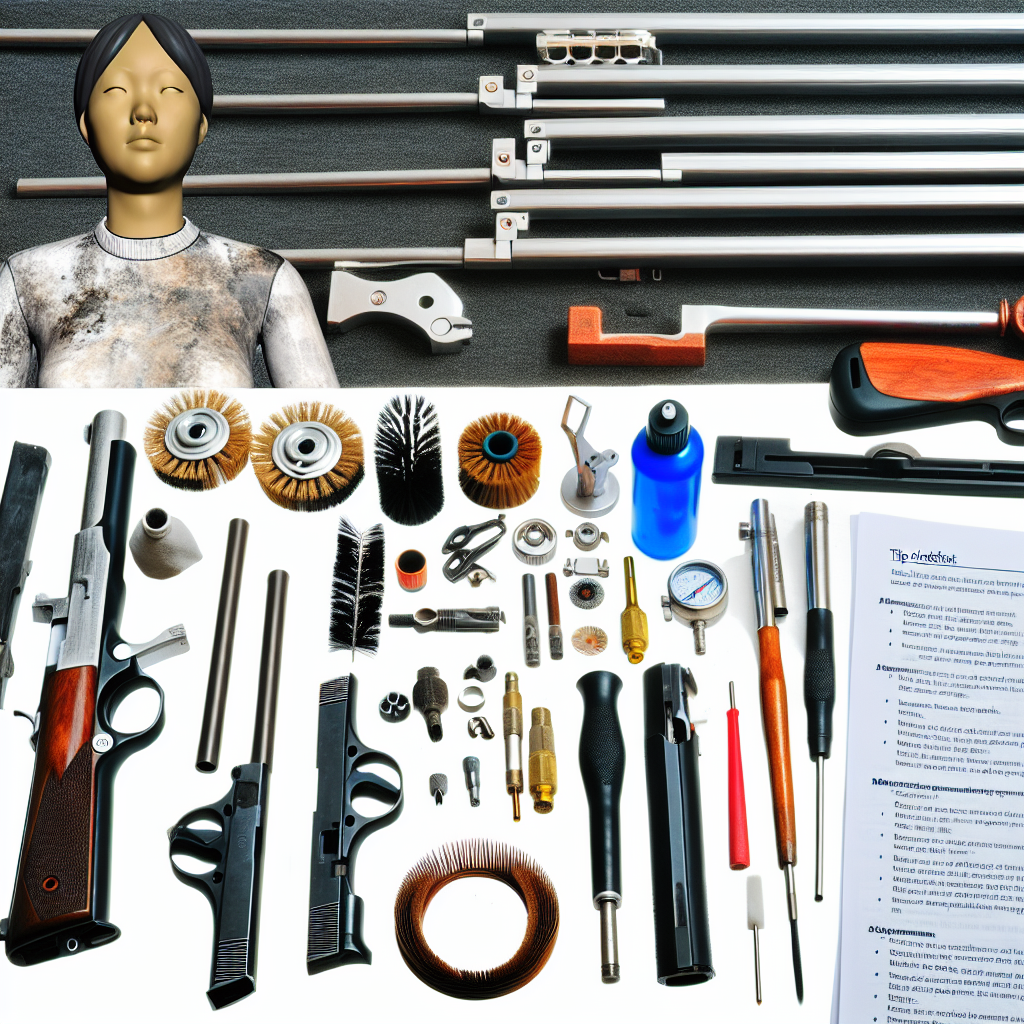
- After Every Use: Clean the barrel bore with a quality bore brush and solvent to remove powder residue and copper fouling. Follow with dry patches until they come out clean.
- Monthly Maintenance: Even if not used frequently, inspect and lightly lubricate moving parts such as the slide rails, bolt carrier group, or trigger mechanism to prevent corrosion.
- Deep Cleaning: Periodically disassemble your firearm according to manufacturer instructions for a thorough cleaning of internal components.
A case study from the USPSA (United States Practical Shooting Association) highlights that championship-level shooters often dedicate at least 30 minutes after every match solely to cleaning their guns. This habit significantly reduces malfunctions during competition stages.
Tip 2: Use High-Quality Cleaning Products and Lubricants
The choice of cleaning agents and lubricants can make a substantial difference in maintaining your equipment’s performance. Using subpar products may leave harmful residues or fail to protect against wear.
- Bore Solvents: Opt for solvents specifically designed for firearms; they effectively dissolve powder fouling without damaging metal surfaces.
- Lubricants: Use synthetic oils or greases formulated for high-friction firearm parts. These products provide superior protection under extreme temperatures and firing rates common in competitions.
- Avoid Petroleum-Based Products: Some traditional oils can degrade rubber seals or attract dirt excessively—both undesirable effects in competitive environments.
An example from a professional marksman revealed how switching from general-purpose oil to a specialized synthetic lubricant decreased their rifle’s cycling issues by 40% during multi-stage matches.
Tip 3: Inspect Critical Components Regularly
Shooting sports demand flawless mechanical function. Regular inspection allows you to catch wear-and-tear early before it becomes a serious problem on match day.
- Barrel Condition: Check for signs of erosion or pitting inside the barrel that could affect accuracy. Replace barrels if necessary after extensive use (typically after 3,000-5,000 rounds depending on caliber).
- Sights and Optics: Ensure scopes are securely mounted with no loose screws or shifting reticles. Clean lenses gently with appropriate cloths to maintain clarity.
- Springs and Pins: Springs lose tension over time; inspect recoil springs, firing pin springs, and magazine springs regularly. Replace any showing signs of fatigue or damage.
A notable example comes from long-range shooters who routinely replace bolt carrier group components every season based on wear patterns identified through magnified inspections—this practice helps sustain precision throughout demanding competitions.
Tip 4: Maintain Ammunition Storage and Handling Practices
Your ammunition is an integral part of your shooting setup; poor storage conditions can degrade its reliability and consistency—key factors in competitive success.
- Avoid Moisture Exposure: Store ammunition in airtight containers with desiccant packs to keep humidity low. Moisture causes corrosion on casings and primers which may result in misfires or inconsistent velocity.
- Temperature Control: Extreme heat can alter powder burn rates; keep ammunition stored in cool environments whenever possible.
- Ammunition Inspection: Before matches, visually inspect rounds for dents, corrosion, or other damage that might affect feeding or ballistics.
The International Practical Shooting Confederation (IPSC) recommends keeping ammunition separate from firearms during transport but readily accessible during stages—minimizing handling reduces risk of contamination or damage during competition.
The way you store your firearms and accessories between uses impacts their longevity and performance. Use dedicated cases or racks that provide protection and organization.
By following these maintenance tips, you can ensure your competitive shooting equipment remains in top condition for optimal performance.