How to Reload Shotgun Shells: An Introduction
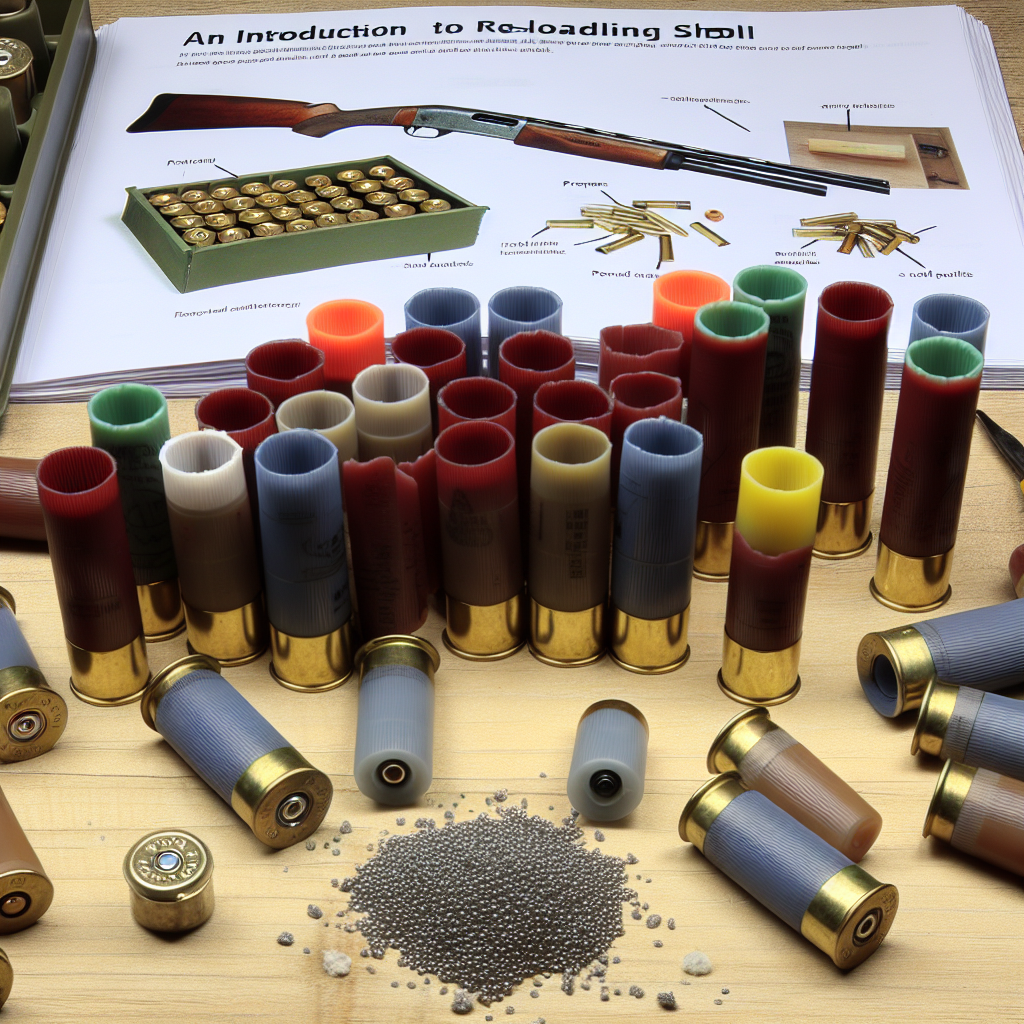
Reloading shotgun shells is a rewarding hobby that combines craftsmanship, precision, and a deep understanding of firearms. Whether you are a hunter looking to customize your loads for specific game or a sport shooter aiming to reduce costs and improve performance, learning how to reload shotgun shells can be both practical and enjoyable.
This article serves as a comprehensive introduction to the art and science of reloading shotgun shells. We will explore the fundamental concepts, necessary equipment, safety considerations, and step-by-step instructions for beginners. Additionally, we’ll discuss real-world examples and statistics highlighting the benefits of reloading. By the end of this guide, you should have a solid foundation to begin your reloading journey confidently.
Understanding Shotgun Shell Reloading: Basics and Benefits
Before diving into the technical aspects, it’s essential to understand what shotgun shell reloading entails and why it appeals to so many enthusiasts.
What Is Shotgun Shell Reloading?
Shotgun shell reloading is the process of assembling used or new components—such as hulls (cases), primers, powder, wads, and shot—to create functional shotgun ammunition. Instead of purchasing factory-loaded shells, reloaders handcraft their ammunition tailored to their specific needs.
- Hull: The plastic or paper casing that holds all components together.
- Primer: The small ignition component that sparks the powder charge.
- Powder: The propellant that drives the shot out of the barrel.
- Wad: The spacer between powder and shot that seals gases and protects shot from deformation.
- Shot: The pellets or slug that are fired at the target.
Why Reload Shotgun Shells?
The appeal of reloading shotgun shells lies in several key benefits:
- Cost Savings: According to surveys by the National Shooting Sports Foundation (NSSF), reloaders can save up to 50% on ammunition costs compared to buying factory shells, especially when using high-quality components in bulk.
- Customization: Reloaders can tailor loads for specific purposes—lighter loads for upland birds, heavier slugs for deer hunting, or specialized patterns for competitive shooting.
- Shooting Performance: Custom loads can improve accuracy and reduce recoil by selecting powders and shot sizes optimized for your shotgun model.
- Sustainability: Reloading reduces waste by reusing hulls and minimizing reliance on factory production.
A case study from a competitive trap shooter revealed that after switching to custom reloads tailored to his gun’s choke constriction, his average score improved by over 5%, demonstrating the performance potential of handloaded ammunition.
The Essential Equipment for Reloading Shotgun Shells
To begin reloading shotgun shells safely and effectively, you need the right equipment. While entry-level setups are affordable, investing in quality tools pays dividends in consistency and safety.
Main Tools Required
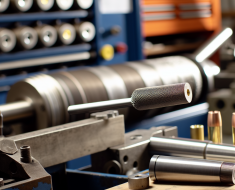
- Reloading Press: A specialized press designed for shotgun shells performs multiple functions such as resizing hulls, seating primers, adding powder charges, inserting wads, loading shot pellets, and crimping the shell’s mouth. Popular models include single-stage presses like the MEC Marksman or progressive presses like the Dillon RL 1100 for higher volume production.
- Priming Tool: This tool seats new primers into spent hulls after they have been resized. Some presses have integrated priming systems; otherwise handheld priming tools work well.
- Powder Measure: Accurate dispensing of gunpowder is critical. Powder measures come with adjustable dials to deliver precise grain weights. Digital scales are also essential for verifying powder charges before loading.
- Shot Loader/Dispenser: This device meters out a consistent amount of shot pellets into each shell. Ensuring uniform shot weight maintains load consistency across rounds.
- Cricmping Tool: Crimping folds over the shell mouth sealing all components inside tightly. Proper crimp ensures safe firing without load separation inside the barrel.
- Sizing Dies & Shell Holders: These components fit your press setup and are specific to gauge (12-gauge being most common). They ensure proper resizing after firing so hulls can be reused safely multiple times.
Additionally Recommended Items
- Shooting Safety Gear: Safety glasses and gloves protect against accidental primer ignition or chemical exposure from powders.
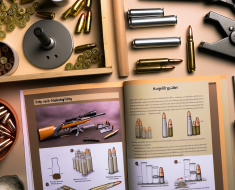
- Ammunition Reloading Manual: Published manuals such as those from Hodgdon or Lyman provide tested load data critical for safe handloading practices specific to various gauges and shot types.
- A Clean Workbench & Storage Containers: Keeping components organized reduces mistakes during loading sequences.
The Step-by-Step Process of Reloading Shotgun Shells
The actual process involves several sequential steps combining mechanical precision with careful measurement.
Below is a detailed overview suitable for beginners using a single-stage press setup with clear instructions for each step.
By following these guidelines, you can safely and effectively reload shotgun shells, enhancing your shooting experience.