Effective Gun Cleaning for Self-Defense Weapons

Owning a firearm for self-defense is a serious responsibility that goes beyond just knowing how to operate the weapon. Proper maintenance, particularly effective gun cleaning, is critical to ensure reliability, safety, and longevity of your self-defense weapon. A firearm that is not cleaned and maintained can malfunction at a critical moment, potentially putting your life at risk.
This article delves into the importance of gun cleaning for self-defense weapons, offering practical tips, techniques, and insights backed by research and expert advice. Whether you are a novice gun owner or an experienced shooter, understanding how to clean your weapon effectively is essential for preparedness.
The Importance of Regular Gun Cleaning
Regular cleaning is often overlooked by many gun owners but plays a vital role in firearm performance. Residue buildup from powder, lead, copper, and environmental debris can affect the mechanical function of your weapon.
- Reliability: A clean firearm reduces the chances of misfires, jams, or failures to feed or eject ammunition properly. According to a study published in the Journal of Forensic Sciences (2018), firearms with accumulated fouling showed a 30% higher failure rate compared to regularly cleaned guns.
- Safety: Powder residue and carbon buildup can lead to increased chamber pressure or even catastrophic failures if left unchecked. This could cause dangerous malfunctions during use.
- Longevity: Dirt and moisture accelerate corrosion and wear on metal parts. Proper cleaning protects your investment by preventing rust and mechanical degradation over time.
- Accuracy: Barrel fouling affects bullet trajectory. Clean barrels maintain consistent accuracy which is essential when precision matters in self-defense situations.
In real-world scenarios, self-defense encounters often happen under stress where equipment reliability can make all the difference. The FBI’s Law Enforcement Officers Killed and Assaulted (LEOKA) report highlights that approximately 20% of officer firearm malfunctions were due to poor maintenance—underscoring the critical nature of regular cleaning.
Understanding Your Self-Defense Weapon
Before diving into cleaning routines, it’s important to understand your specific firearm model and its components. Self-defense weapons commonly include handguns such as semi-automatic pistols and revolvers. Each has unique cleaning requirements:
- Semi-Automatic Pistols: These firearms have complex mechanisms including slides, recoil springs, magazines, and barrels that require careful disassembly for thorough cleaning.
- Revolvers: Simpler mechanically but still need attention to chambers, cylinders, extractor rods, and barrel bores.
Consulting your firearm’s manual is the first step in understanding how to disassemble and reassemble it safely. Many manufacturers provide detailed instructions or even video tutorials online.
Familiarity with parts such as the barrel, chamber, slide (for semi-autos), frame rails, firing pin channel, extractor, recoil spring assembly, and magazine will help you target areas prone to fouling effectively during cleaning.
Essential Tools & Supplies for Effective Gun Cleaning
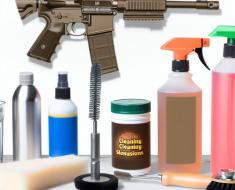
A well-equipped gun cleaning kit makes the process more efficient and effective. Here are key tools recommended by experts:
- Bore Brushes: Made from bronze or nylon to scrub inside the barrel without damaging rifling.
- Patches: Cotton patches used with solvent to wipe residue out of the barrel bore.
- Cleaning Rods or Bore Snakes: Rods allow controlled scrubbing; bore snakes offer quick passes through the barrel with embedded brushes and cloth segments.
- Solvents & Lubricants: Solvents break down carbon deposits; lubricants protect moving parts from friction and corrosion. Quality brands include Hoppe’s No.9 solvent and CLP (Cleaner-Lubricant-Protectant) products.
- Nylon Brushes & Picks: Useful for scrubbing small parts like slides or magazines where dirt accumulates.
- Cleaning Mat: Protects surfaces during disassembly/cleaning processes and keeps small parts organized.
The combination of these tools ensures every part of your firearm receives attention without causing damage or wear during cleaning procedures.
Step-by-Step Guide: How to Clean Your Self-Defense Weapon Effectively
The following is a general guide tailored primarily toward semi-automatic pistols but applicable with slight adjustments for revolvers as well.
1. Safety First
-
Unload the firearm completely by removing the magazine (if applicable) and checking both chamber and magazine well visually and physically to confirm no ammunition remains.
-
Select a well-ventilated area free from distractions where you can focus entirely on maintenance tasks.
2. Field Strip Your Firearm
-
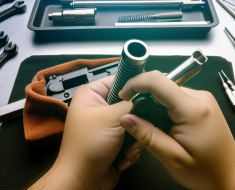
Follow manufacturer instructions to disassemble your weapon into major components: slide assembly, barrel, recoil spring assembly, frame.
-
Avoid forcing parts apart—use proper techniques to prevent damage or misalignment upon reassembly.
3.
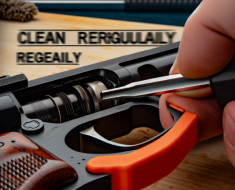
Clean the Barrel Bore by using a suitable cleaning rod and bore brush, applying solvent to remove fouling and debris. Ensure you run the brush through the barrel multiple times, then follow up with a patch soaked in solvent to wipe away residue.
Regular cleaning and maintenance will enhance the reliability and longevity of your self-defense weapon.