How to Prepare Your Equipment the Night Before a Match
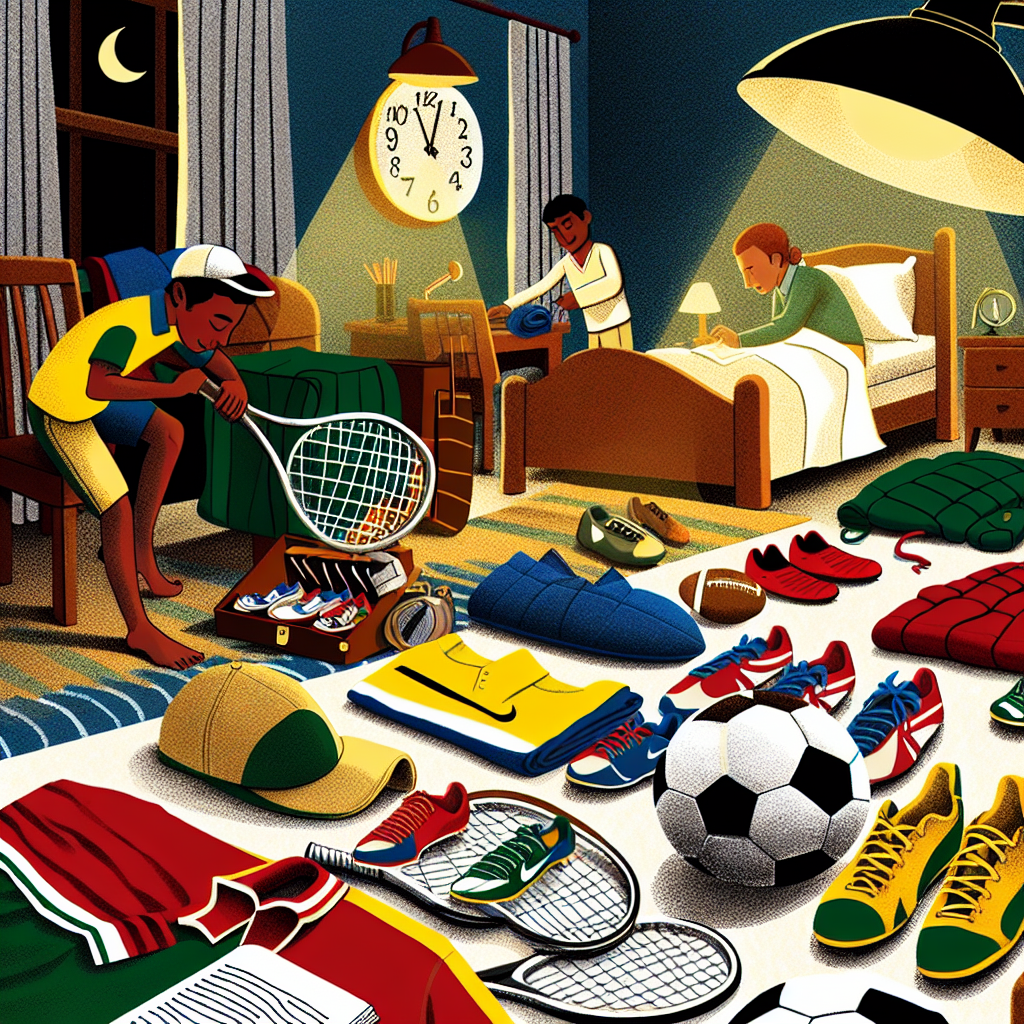
Whether you’re a professional athlete, an amateur competitor, or a weekend warrior, the night before a match is crucial for setting yourself up for success. Proper preparation of your equipment can mean the difference between peak performance and avoidable mishaps on game day. In this comprehensive guide, we’ll explore how to effectively prepare your equipment the night before a match to ensure you are ready, confident, and focused.
Why Night-Before Preparation Matters
Many athletes underestimate the importance of preparing their gear ahead of time. According to a 2019 study by the Journal of Sports Sciences, athletes who prepared their equipment in advance reported significantly lower stress levels and improved focus during competition. This preparation eliminates last-minute chaos, reduces anxiety, and helps maintain mental clarity.
By organizing your equipment the night before, you also minimize the risk of forgetting essential items or discovering damaged gear too late to fix it. Imagine arriving at the field or court only to find your shoes are torn or your racket strings are broken — these issues can disrupt your entire performance.
Step 1: Create a Detailed Equipment Checklist
The foundation of efficient preparation is having a detailed checklist tailored specifically to your sport and personal needs. This checklist acts as a roadmap ensuring nothing is overlooked.
- Identify Essential Items: Break down your equipment into categories such as clothing, footwear, protective gear, accessories, and consumables (water bottles, energy bars).
- Consider Environmental Conditions: Check the weather forecast and include additional items like rain jackets or sunscreen if necessary.
- Include Backup Items: Always pack spares such as extra socks, laces, or tape in case something fails or gets lost.
Example: A soccer player’s checklist might include cleats, shin guards, socks, jersey, shorts, water bottle, first aid kit, and an extra pair of cleats.
Step 2: Inspect and Maintain Your Equipment
A critical step often overlooked is thoroughly inspecting each item to ensure it’s in optimal condition. Faulty or worn-out equipment can lead not only to poor performance but also injury.
- Shoes: Check for worn soles or loose stitching. Replace insoles if necessary for comfort and support.
- Protective Gear: Inspect helmets for cracks, pads for wear and tear, and straps for functionality.
- Sport-Specific Equipment: For example, tennis players should check racket strings for tension; cyclists should inspect tires and brakes.
- Clean Your Gear: Dirt and sweat buildup can degrade materials. Wipe down helmets, wash uniforms, and air out shoes overnight.
Case Study: In the 2016 Olympics, several track athletes reported improved confidence after thorough pre-race equipment checks led them to discover subtle issues with spikes that were promptly fixed — illustrating how simple inspections can have tangible benefits.
Step 3: Organize Your Equipment Strategically
Packing isn’t just about throwing items into a bag; it’s about strategic organization that makes retrieval easy and efficient on match day. Disorganization can waste valuable time and cause unnecessary stress.
- Use Separate Compartments: Utilize bags with multiple pockets or compartments to separate clean clothes from dirty ones or fragile items from bulky gear.
- Pack According to Usage Order: Place items you’ll need first at the top of your bag — like warm-up gear — so they’re accessible without unpacking everything.
- Label or Color-Code Bags: If you carry multiple bags (e.g., one for shoes and another for clothes), labeling them reduces confusion under pressure.
Example: A basketball player might pack shoes in one compartment with shoe deodorizer sachets while keeping wristbands and headbands in an accessible side pocket for quick adjustments during warm-ups.
Step 4: Prepare Consumables and Electronics
Your match day toolkit goes beyond just physical gear; nutrition aids and electronic devices play crucial roles in enhancing performance as well. Preparing these ahead of time prevents last-minute scrambling.
- Nutritional Items:
- Pre-pack energy gels, protein bars, electrolyte drinks based on your nutritional plan.
- If applicable, prepare any supplements recommended by your coach or nutritionist in labeled containers or bags.
- Hydration Equipment:
- Fill water bottles or hydration packs so they are ready to grab instantly.
- Add ice packs if needed to keep drinks cool during extended matches.
- Electronics & Accessories:
- Charge devices such as fitness trackers, heart rate monitors, GPS watches overnight.
- Packing headphones or music players with motivational playlists pre-loaded can help with mental preparation before stepping onto the field.
Statistic: According to a survey conducted by Runner’s World in 202
Statistic: According to a survey conducted by Runner’s World in 2021, athletes who prepared their equipment the night before reported feeling more confident and focused during their matches.
By organizing your gear and nutrition in advance, you set yourself up for success and can concentrate on performing your best when it matters most.