Understanding Scoring Systems in Competitive Shooting
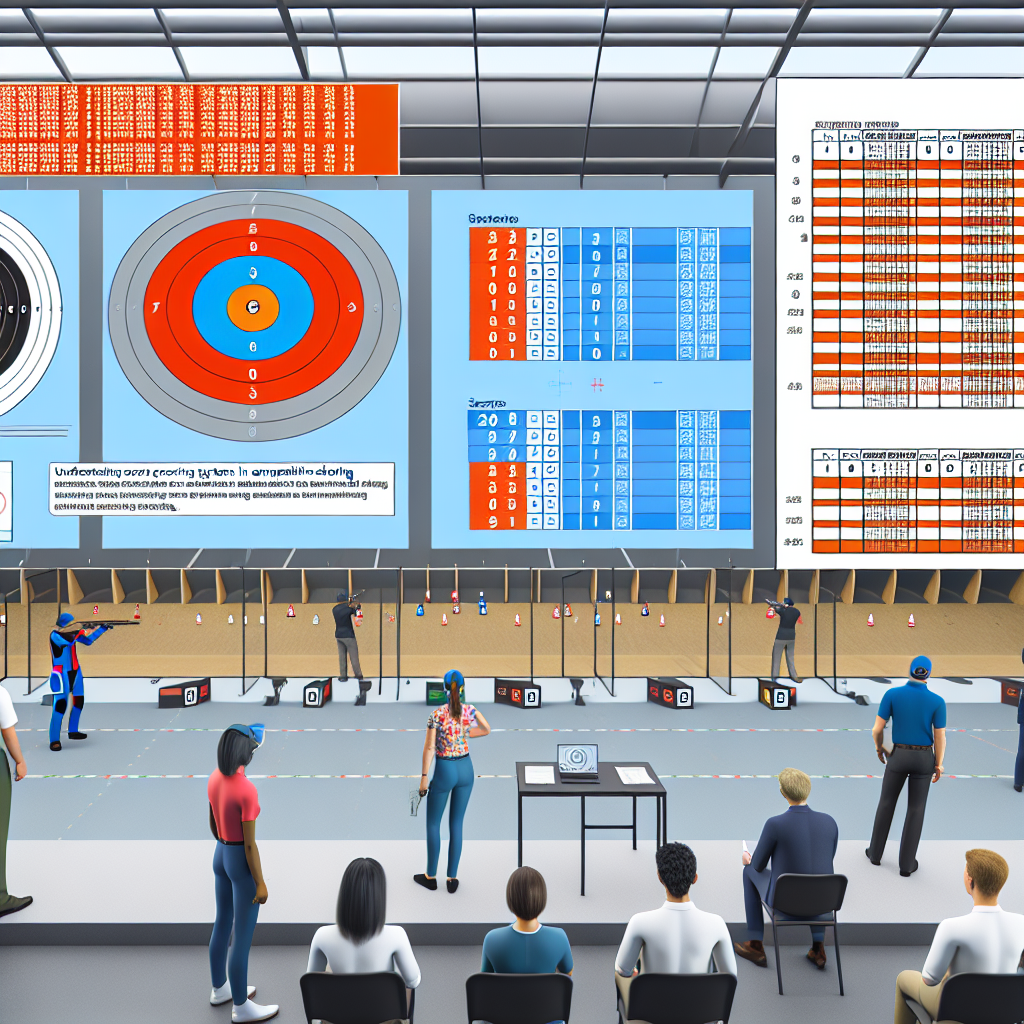
Competitive shooting is a precision sport that tests a shooter’s skill, speed, and accuracy using firearms or airguns across various disciplines. From Olympic pistol events to practical shooting competitions like IPSC (International Practical Shooting Confederation), scoring systems are the backbone that determines performance outcomes. Understanding these scoring systems is crucial not only for competitors but also for enthusiasts, coaches, and spectators who want to appreciate the nuances of the sport.
This article explores the different scoring methods used in competitive shooting, delves into their principles, and examines how they influence competition strategies. We will also highlight key examples and statistics from popular shooting disciplines to provide a comprehensive understanding of this essential aspect of the sport.
The Importance of Scoring Systems in Competitive Shooting
At its core, a scoring system quantifies a shooter’s performance based on predefined criteria. Unlike many sports where time or distance is the sole determinant of success, shooting requires measuring both accuracy and speed, often simultaneously.
Scoring systems serve several critical functions:
- Objectivity: They provide an impartial way to rank competitors based on measurable outcomes.
- Fairness: Standardized scoring ensures that all participants are evaluated under the same conditions.
- Motivation: Clear scoring rules help shooters understand what aspects to improve—whether precision, speed, or consistency.
- Spectator Engagement: Transparent scoring keeps audiences engaged and informed about competition progress.
The diversity of shooting disciplines means no single scoring system fits all events. Each system reflects the goals and challenges unique to its format.
Types of Scoring Systems in Competitive Shooting
Shooting competitions employ various scoring methodologies depending on the firearm type, course design, and event objectives. Below are some of the most prevalent types:
1. Hit Factor Scoring (Used in IPSC and USPSA)
The hit factor system is widely used in practical shooting sports like IPSC (International Practical Shooting Confederation) and USPSA (United States Practical Shooting Association). It balances accuracy with speed by calculating a ratio between points scored and time taken.
How it works:
- Shooters earn points by hitting targets with zones assigned different values (e.g., A-zone = 5 points, C-zone = 3 points).
- The total points scored are divided by the time taken to complete the stage.
- The resulting hit factor determines rankings—the higher the hit factor, the better.
Example:
- Shooter A scores 100 points in 20 seconds: Hit Factor = 100 / 20 = 5
- Shooter B scores 90 points in 15 seconds: Hit Factor = 90 / 15 = 6
Shooter B wins despite lower raw points due to faster completion time.
2. Points-Per-Shot Scoring (Precision Target Shooting)
This system focuses purely on accuracy rather than speed. Common in Olympic rifle and pistol events (e.g., ISSF – International Shooting Sport Federation events), shooters aim to place shots as close as possible to the center of a target with each shot scored individually.
- The target is divided into concentric rings with values from outer rings (usually 1 point) up to the bullseye (10 points or decimal scoring up to 10.9).
- Total score is the sum of individual shot values over a fixed number of shots (e.g., 60 shots).
Decimal Scoring Example:
- A perfect center shot might be scored as a 10.9 instead of just a flat “10,” allowing for greater differentiation between shooters.
This system rewards extreme precision and consistency over multiple shots rather than speed or agility.
3. Time-Based Scoring
Certain disciplines emphasize speed above all else—particularly speed shooting or quick-draw competitions where hitting multiple targets rapidly is paramount. In these events, shooters are timed from start to finish while meeting minimum accuracy requirements.
- If minimum hits aren’t met, penalties or disqualification may apply.
- The fastest completion time wins regardless of point values assigned per hit zone.
An example includes steel challenge matches where shooters engage steel plates that fall when hit accurately; time taken to knock down all plates determines rankings.
4. Knockdown/Reactive Target Scoring
This approach is popular in cowboy action shooting or certain shotgun competitions where targets react physically when hit—for example, steel plates falling or clay pigeons breaking.
- Shooters earn points for each successfully “knocked down” target within given time limits.
- The cumulative number of hits combined with completion time forms final scores.
This method adds excitement due to immediate visual feedback but requires precise timing equipment for fairness.
How Scoring Influences Shooter Strategy and Training
The type of scoring used directly affects how competitors train and approach each stage or course.
Understanding this dynamic helps explain why top-level shooters specialize differently across disciplines: Balancing Speed and Accuracy in Hit Factor is crucial for optimizing performance in competitive shooting.
Ultimately, a solid grasp of scoring systems can enhance a shooter’s strategy and training effectiveness, leading to improved results in competitions.