How to Maintain Your Gun During Storage

Proper gun maintenance is crucial for ensuring safety, reliability, and longevity. While many firearm owners focus heavily on cleaning and upkeep after shooting sessions, maintaining your gun during storage is equally important. Neglecting proper storage care can lead to corrosion, mechanical failures, and compromised performance when you eventually need your firearm. This article delves into effective methods and best practices for maintaining your gun during storage, supported by expert advice, case studies, and statistical insights.
Understanding the Importance of Gun Maintenance During Storage
Firearms are precision instruments with metal parts that are susceptible to rust, corrosion, and wear over time—especially when stored improperly. Moisture, temperature fluctuations, dust, and even the type of storage container can all impact a gun’s condition.
According to a 2021 survey conducted by the National Shooting Sports Foundation (NSSF), nearly 40% of gun owners reported issues with rust or corrosion on firearms that had been stored for extended periods. Such problems not only degrade the firearm’s aesthetics but also compromise its mechanical integrity and safety.
Maintaining your gun during storage isn’t just about preserving its looks; it’s about ensuring that when you need your firearm—whether for self-defense, hunting, or competition—it functions reliably and safely.
Choosing the Right Storage Environment
The first step in maintaining your firearm during storage is selecting an appropriate environment that minimizes damage risks.
Optimal Temperature and Humidity Control
Environmental factors such as humidity and temperature swings can accelerate rust formation. Ideally, guns should be stored in a controlled environment where humidity levels stay below 50%.
- Use dehumidifiers: Many gun safes come equipped with built-in dehumidifiers or allow space for placing silica gel packs or electronic dehumidifiers.
- Avoid basements and attics: These areas typically experience extreme temperature fluctuations and higher moisture levels.
- Climate-controlled rooms: If possible, store firearms in rooms with consistent temperature control to reduce condensation risks.
Selecting the Proper Gun Safe or Storage Case
The choice of storage container greatly influences how well a firearm is preserved.
- Gun safes: High-quality safes provide physical security while also protecting guns from environmental damage. Look for safes with sealed doors and moisture control features.
- Padded cases: For temporary storage or transportation, padded cases lined with moisture-wicking fabric can help reduce scratches and absorb excess moisture.
- Avoid plastic bags: Although it may seem convenient, storing guns in sealed plastic bags without ventilation can trap moisture and accelerate rusting.
Preparing Your Gun for Long-Term Storage
Before placing your firearm into storage, it’s essential to take specific preparation steps to safeguard its condition over time.
Thorough Cleaning Before Storage
Dirt, unburned powder residue, oils from handling, and moisture trapped inside the barrel can all contribute to corrosion if left unattended during storage. Follow these steps before storing your gun:
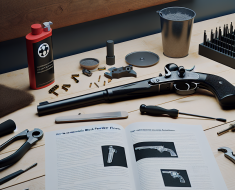
- Disassemble as recommended: Consult your manufacturer’s manual for proper disassembly procedures without causing damage.
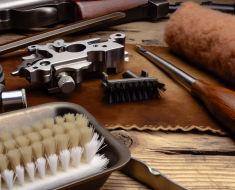
- Clean the barrel: Use a bore brush and patches soaked in solvent to remove fouling inside the barrel.
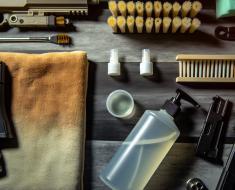
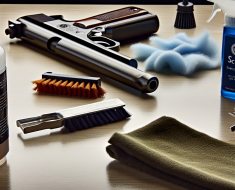
- Wipe down all metal surfaces: Remove dirt and fingerprints using a clean cloth with appropriate gun cleaner or solvent.
- Lubricate moving parts lightly: Apply a thin layer of quality lubricant or protective oil on moving parts to prevent rust but avoid over-lubrication which attracts dust.
The Role of Protective Coatings
A protective coating adds an extra layer of defense against oxidation. Popular options include:
- Molybdenum disulfide-based oils: Known for their excellent anti-wear properties and water resistance.
- Parkerizing or bluing touch-ups: These finish treatments provide some inherent corrosion resistance; touch-ups may be necessary if worn out.
- Cerosafe products: Designed specifically for long-term gun preservation by creating a waxy barrier against moisture.
Avoiding Common Mistakes That Compromise Firearm Condition
Mistakes made during storage preparation or maintenance can inadvertently cause damage rather than prevent it. Here are common pitfalls to avoid:
- Storing loaded firearms: Always unload guns before storing them to prevent accidental discharge and reduce stress on springs over time.
- Ineffective moisture control: Simply placing a firearm in a safe without any form of dehumidification invites rust development—especially in humid climates like Florida or Louisiana where average annual humidity exceeds 70%.
- Over-lubrication: Excess oil attracts dust and grime that can clog mechanisms or promote corrosion under certain conditions.
- Lack of periodic inspection: Guns left untouched for years without inspection risk unnoticed deterioration. Regular checks ensure early detection of any issues before they worsen.
Regular checks ensure early detection of any issues before they worsen. By following these guidelines, you can keep your firearms in optimal condition during storage.