How to Maintain a Black Powder Firearm
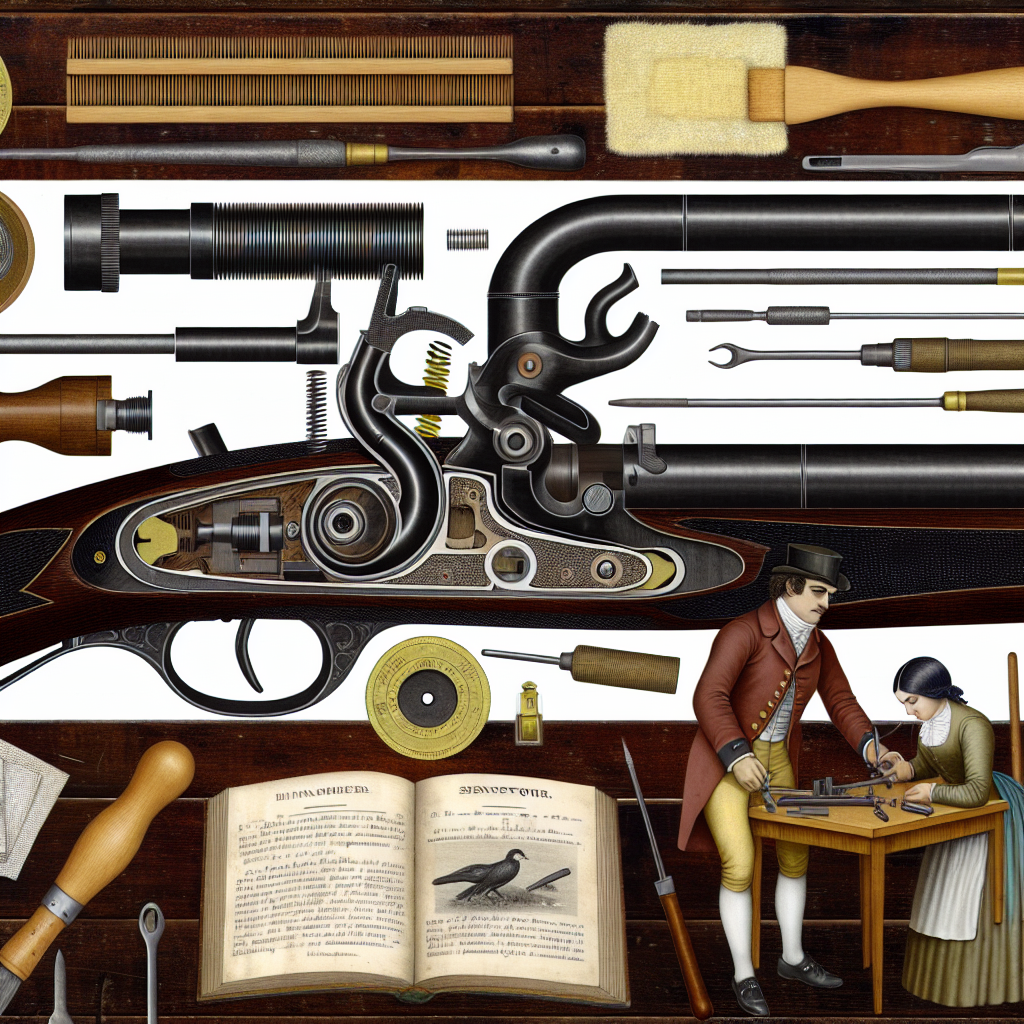
Black powder firearms, often prized for their historical significance and unique shooting experience, require meticulous care and maintenance to ensure longevity, safety, and optimal performance. Unlike modern smokeless powder firearms, black powder weapons introduce unique challenges due to the corrosive nature of black powder residue. Proper maintenance not only preserves the firearm’s functionality but also protects its value, whether it’s a treasured family heirloom or a modern replica used for hunting or sport shooting.
This comprehensive guide will walk you through the essential steps and best practices for maintaining black powder firearms, supported by practical examples, expert insights, and historical context.
Understanding Black Powder and Its Impact on Firearms
Before delving into maintenance routines, it is crucial to understand what black powder is and why it requires special care. Black powder is a mixture of potassium nitrate (saltpeter), charcoal, and sulfur. When ignited, it produces a significant amount of smoke and corrosive residues that can rapidly deteriorate metal surfaces if not cleaned promptly.
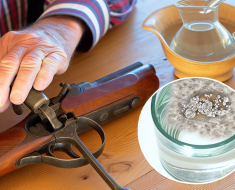
Unlike smokeless powder used in modern cartridges, black powder combustion leaves behind solid residues that are highly hygroscopic — meaning they absorb moisture from the air. This moisture retention accelerates rust formation and metal corrosion. According to a study by the National Rifle Association’s Gunsmithing Division, firearms exposed to black powder residues without proper cleaning can begin showing signs of rust within hours in humid conditions.
Historically, many antique firearms have been lost or severely damaged due to neglecting these cleaning requirements. For example, Civil War-era muskets found in battlefield recoveries often exhibit severe corrosion because battlefield conditions made regular cleaning impossible.
Essential Tools and Materials for Black Powder Firearm Maintenance
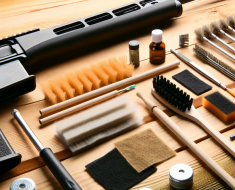
To maintain your black powder firearm effectively, you need the right tools and materials. Using inappropriate cleaning agents or tools can damage the firearm’s finish or mechanism.
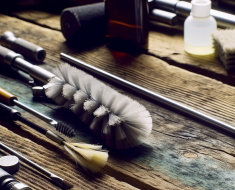
- Bore Brushes: Typically made of bronze or nylon; bronze is preferred for removing stubborn fouling without damaging rifling.
- Cleaning Rods: A sturdy rod with appropriate attachments such as jags or slotted tips for patches.
- Patches: Cotton patches sized to fit snugly inside the barrel bore for applying solvents and oils.
- Black Powder Solvents: Specialized solvents designed to break down black powder fouling without harming metal surfaces.
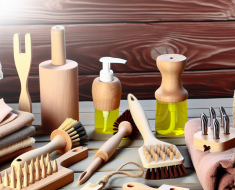
- Lubricants and Oils: Light gun oil for metal protection; some shooters prefer traditional products like Ballistol which also protects wood stocks.
- Cloths and Rags: Lint-free cloths for wiping down external parts of the firearm after cleaning.
- Nipple Wrenches: For percussion cap firearms; necessary to remove nipples safely during cleaning.
- Nipple Picks: To clear fouling from the nipple vent holes effectively.
The importance of using dedicated black powder cleaning products cannot be overstated. Modern solvent formulations designed specifically for smokeless powders often fail to remove black powder residue effectively and can even exacerbate corrosion risks.
Step-by-Step Cleaning Process After Shooting
The most critical aspect of maintaining a black powder firearm is immediate post-shooting cleaning. Ideally, cleaning should begin within an hour after firing to prevent residue from hardening inside the barrel and action. Here’s a detailed step-by-step process:
- Disassemble the Firearm: Safely unload your firearm before disassembly. Remove any percussion caps or flints depending on your firearm type. Use a nipple wrench to remove nipples on percussion guns carefully.
- Clear Loose Debris: Use compressed air or gentle tapping to remove loose fouling from the action and breech areas.
- Bore Cleaning:
- Run a dry patch through the barrel several times to absorb loose residue.
- Dip a bore brush in black powder solvent and scrub the bore thoroughly with several passes back and forth. This breaks down stubborn fouling lodged in rifling grooves or smoothbores.
- Follow with wet patches soaked in solvent until they come out clean (usually 5-10 patches).
- Dry the bore completely with dry patches until no moisture remains.
- Nipple Cleaning: Use nipple picks soaked in solvent to clear vent holes thoroughly. This prevents misfires caused by clogged vents and reduces risk of pressure build-up during firing.
- Metal Surface Wiping: Wipe all metal parts with a cloth lightly coated in gun oil or Ballistol. Pay attention to moving parts like triggers, locks, hammers, and screws which benefit from lubrication but avoid excessive oil that attracts dirt.
- Wood Stock Care: While not directly related to fouling removal, periodically treat wooden stocks with appropriate waxes or oils (like linseed oil) especially if exposed to moisture during use. This prevents cracking or warping over time.
- Reassemble Carefully: Once all parts are clean and dry (except lightly oiled), reassemble your firearm ensuring all screws are tightened properly but not over-torqued which could damage threads
and can lead to malfunction. Regular maintenance ensures the longevity and reliability of your black powder firearm.