How to Build a Rifle for Competitive Shooting
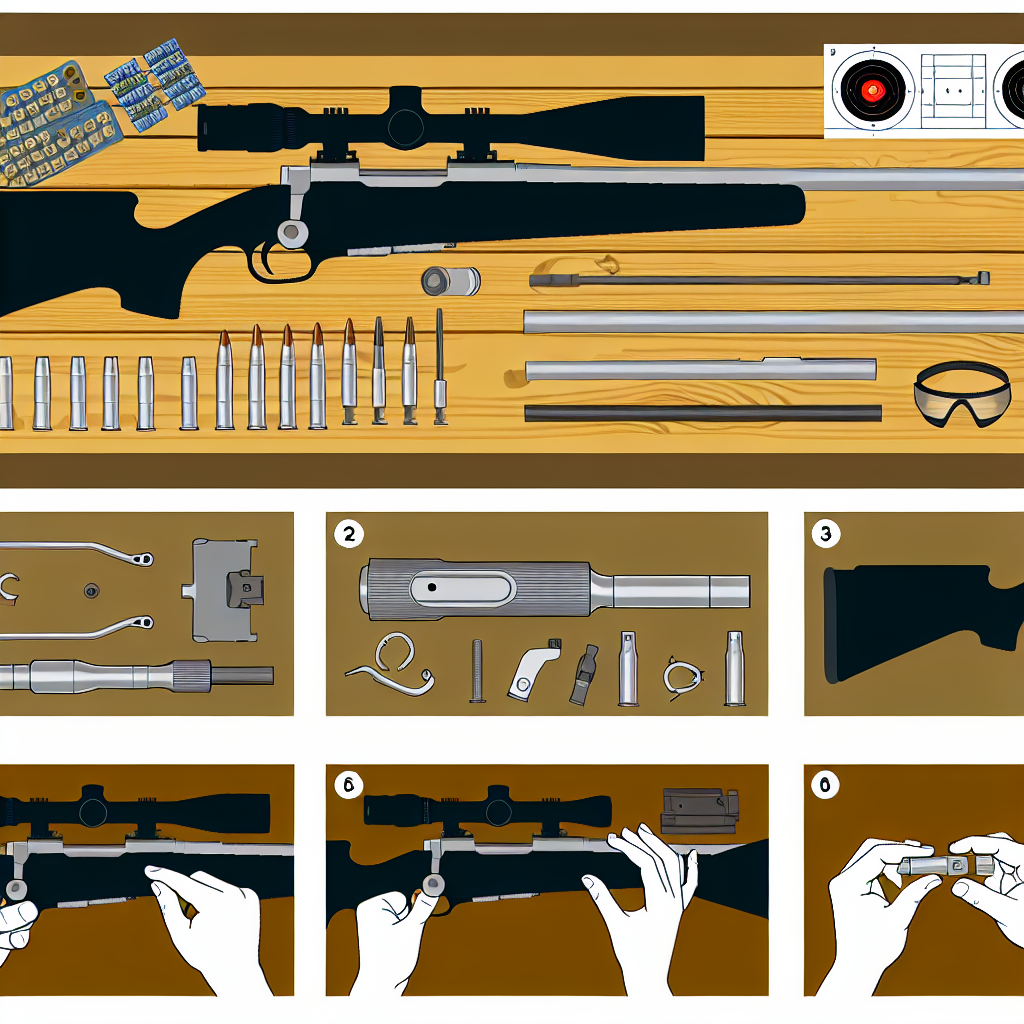
Competitive shooting is a sport that demands precision, consistency, and reliability. Whether you are participating in disciplines such as precision rifle series (PRS), benchrest shooting, or 3-gun competitions, having a rifle tailored to your specific needs can greatly enhance your performance. Building your own rifle offers customization options that factory models often lack, allowing you to optimize every component for accuracy and comfort.
This comprehensive guide will walk you through the essential steps and considerations when building a rifle for competitive shooting, ensuring that you create a platform capable of delivering top-tier performance.
Understanding the Basics: What Makes a Competitive Rifle?
Before diving into the build process, it’s important to understand the key characteristics that define a competitive shooting rifle. These traits are crucial for maximizing accuracy, reducing shooter fatigue, and adapting to various competition conditions.
- Accuracy: The rifle must consistently deliver tight groups at the distances required by your competition.
- Reliability: A dependable firearm that functions flawlessly under diverse environmental conditions is non-negotiable.
- Ergonomics: Comfortable handling and adjustable features help shooters maintain steady positions during long sessions.
- Customization: The ability to modify optics, triggers, and other components allows shooters to tailor the rifle for specific disciplines.
- Weight and Balance: Proper weight distribution reduces fatigue and improves stability.
The combination of these factors will influence your choice of components and assembly techniques throughout the build.
Selecting the Right Components for Your Build
The foundation of any custom rifle lies in its components. Each piece plays a vital role in overall performance. Below are the critical parts you need to consider when building a competitive rifle:
1. Action
The action is the heart of your rifle and determines its reliability and smoothness. Most competitive shooters prefer bolt-action rifles due to their inherent accuracy advantages over semi-automatics.
- Bolt Types: Popular actions include Remington 700 variants, Tikka T3x, and custom-built actions like those from Defiance Machine or Surgeon Rifles. These offer smooth bolt throw and consistent lock-up.
- Material: Stainless steel actions resist corrosion better but may be heavier than carbon steel counterparts.
2. Barrel
The barrel significantly affects accuracy. When selecting one, consider factors such as length, profile, twist rate, and material.
- Length: Longer barrels (24-26 inches) provide higher velocity but add weight; shorter barrels improve maneuverability in dynamic competitions like 3-gun.
- Profile: Heavy barrels reduce vibration and heat distortion but increase weight; lightweight barrels are easier to carry but may sacrifice some accuracy during extended strings of fire.
- Twist Rate: Match your bullet type with an appropriate twist rate to stabilize projectiles effectively (e.g., 1:7 for heavier bullets, 1:10 for lighter ones).
- Material & Finish: Chrome-moly steel or stainless barrels with fluting or cryogenic treatment can improve longevity and heat dissipation.
3. Stock
The stock impacts how comfortably you can shoot and control recoil. For competition rifles, consider stocks designed specifically for precision shooting or tactical use.
- Adjustability: Features like adjustable cheek risers, length of pull spacers, and buttpad height enable shooters to customize fit for consistent sight alignment.
- Material: Fiberglass composites or carbon fiber stocks offer rigidity with low weight; laminate wood stocks provide durability with aesthetic appeal.
- Bedding Options: Glass bedding or pillar bedding ensures the action sits securely within the stock, enhancing accuracy by reducing movement under recoil.
4. Trigger
A crisp trigger break with minimal travel is essential for precision shooting. Factory triggers often require upgrading or tuning for competition use.
- Crispness & Pull Weight: Aim for triggers with pull weights between 1.5-3 pounds depending on your discipline; lighter triggers reduce movement during firing but require safe handling practices.
- Sear Engagement & Reset: A short reset allows faster follow-up shots—valuable in timed competitions like PRS or 3-gun events.
- Semi-Custom Triggers: Brands like Timney, Jewel, or TriggerTech offer excellent aftermarket options widely used by competitors worldwide.
5. Optics & Mounting Systems
Your scope is arguably as important as your rifle itself in competitive shooting. Selecting high-quality optics that match your event’s requirements is crucial.
- Magnification Range: Benchrest shooters may prefer fixed high-power scopes (25x+), while PRS competitors often select variable scopes (5-25x) for versatility across distances from 100 to over 1000 yards.
- Tactical Features: Reticle illumination, parallax adjustment
Tactical Features: Reticle illumination, parallax adjustment, and durable construction are essential for optimal performance in varying conditions.
By carefully selecting components and understanding the nuances of competitive shooting, you can build a rifle that enhances your performance on the range.