How to Build a Precision Rifle from Scratch
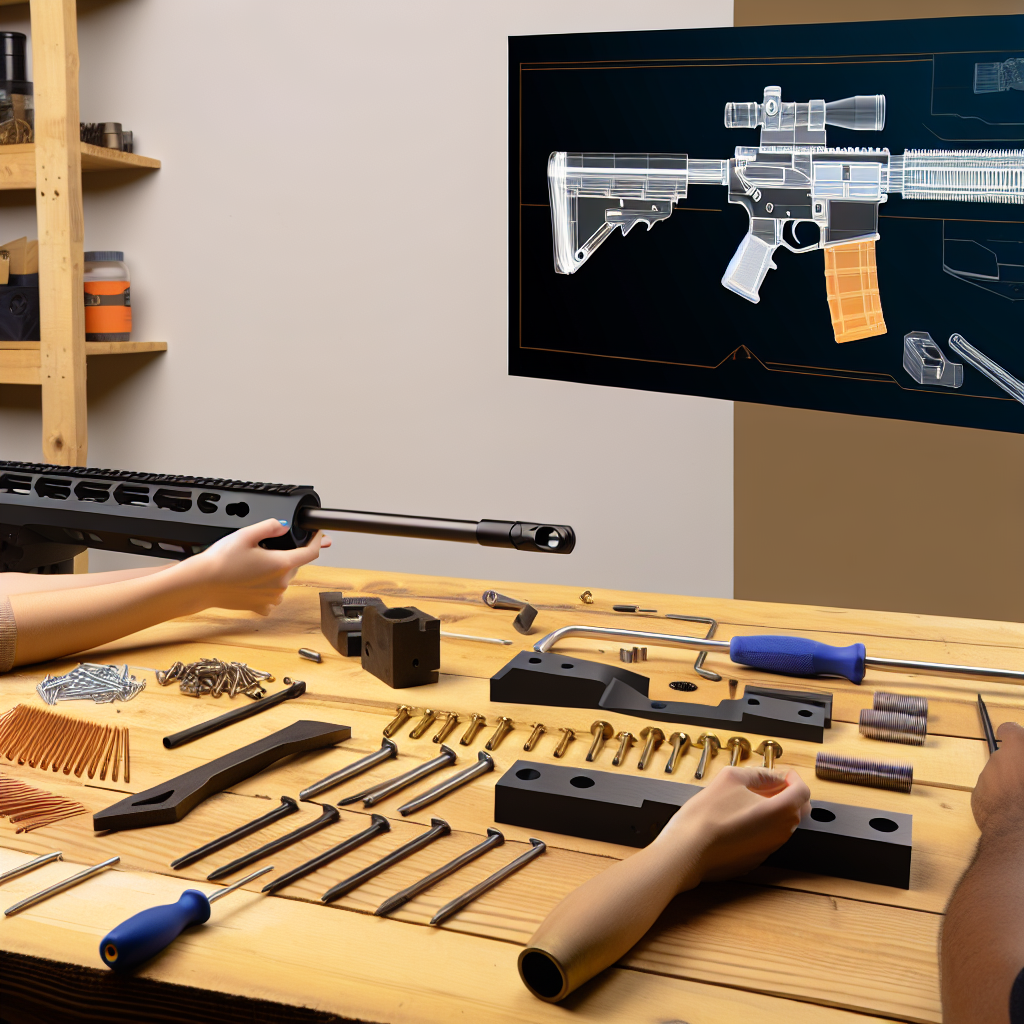
Building a precision rifle from scratch is a rewarding endeavor for shooting enthusiasts, hunters, and competitive marksmen alike. It allows you to customize every aspect of the firearm, ensuring it meets your specific needs for accuracy, ergonomics, and performance. However, constructing a precision rifle is not a simple task—it requires knowledge of firearm mechanics, careful selection of components, and meticulous assembly techniques.
In this comprehensive guide, we will walk you through the essential steps and considerations involved in building a precision rifle from the ground up. Whether you’re aiming for sub-MOA accuracy in long-range competitions or simply want a reliable custom rifle for tactical applications, this article will provide you with the insights and resources needed to succeed.
Understanding the Fundamentals: What Defines a Precision Rifle?
Before diving into the build process, it’s crucial to understand what makes a rifle “precision.” Precision rifles are designed to deliver consistent shot placement at extended ranges—typically 600 yards and beyond—with minute-of-angle (MOA) or better accuracy. This means the rifle can consistently place shots within 1 inch or less at 100 yards.
Key characteristics that define precision rifles include:
- High-quality barrel: A match-grade barrel with a consistent bore diameter and rifling twist tailored to the chosen cartridge.
- Rigid action: The receiver and bolt mechanism must be robust and smooth to maintain consistent lock-up.
- Stable stock: Typically made from composite materials or laminated wood to minimize flex and environmental effects.
- Accurate ammunition: Handloaded or factory match-grade ammo matched precisely to the rifle’s chamber.
- Precision optics: High-quality scopes with reliable adjustments and clear reticles designed for long-range shooting.
A well-built precision rifle harmonizes these elements into a single platform that delivers repeatable accuracy shot after shot.
Selecting Your Components: The Building Blocks of Accuracy
The foundation of your precision rifle build lies in carefully selecting each component. Let’s break down the critical parts:
1. Action
The action is the heart of your rifle—it houses the bolt mechanism that chambers rounds and ejects spent casings. Common choices include bolt-action systems like Remington 700, Tikka T3x, or custom actions from manufacturers such as Defiance Machine or Bighorn Arms.
Considerations when choosing an action:
- Bedding surface quality: Ensures stable contact with the stock for improved accuracy.
- Bolt design: Smooth cycling bolts with controlled round feeds reduce disruptions during firing sequences.
- Caliber compatibility: Confirm the action supports your desired cartridge size.
2. Barrel
The barrel directly influences accuracy potential. Match-grade barrels made from stainless steel are preferred for their corrosion resistance and consistent rifling profiles. Popular barrel makers include Bartlein, Krieger, and Lilja.
Selecting a barrel involves considering:
- Bore diameter & twist rate: Match these to your cartridge and bullet weight for optimal stability (e.g., a 1:8 twist for .308 Winchester).
- Barrel length: Longer barrels generally increase velocity but add weight; common lengths range from 20-26 inches depending on application.
- Muzzle threading: For attaching suppressors or muzzle brakes if desired.
3. Stock
The stock affects shooter comfort and rifle stability during firing. Precision stocks are usually made from fiberglass composites or laminated hardwoods that resist warping due to moisture or temperature changes.
You should look for stocks featuring:
- Pillar bedding compatibility: Allows for metal pillars to be installed around action screws improving bedding consistency.
- Adjustable cheek rests & length of pull: Tailors fit to individual shooters enhancing repeatable sight alignment.
- Sling mounts & bipod studs: For added shooting support accessories.
4. Trigger
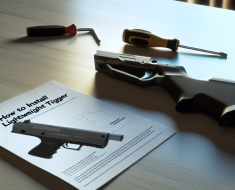
A crisp, light trigger pull reduces shooter-induced movement improving shot placement. Aftermarket triggers like Timney Calvin Elite or Jewell HVR are widely used in precision builds due to their adjustable pull weights and clean breaks under approximately 2 pounds of force.
5. Optics & Mounts
No precision rifle is complete without an appropriate optic system. Popular choices include scopes from Nightforce, Vortex Razor HD Gen II, or Schmidt & Bender PMII series. Mounting solutions should provide rock-solid attachment—one-piece cantilever mounts machined from billet aluminum are preferred over two-piece mounts for repeatability under recoil stress.
The Assembly Process: Step-by-Step Guide
The assembly phase requires patience and attention to detail. Mistakes here can degrade accuracy potential significantly.
If needed, have your action trued by a professional gunsmith to ensure optimal alignment and fit. Follow these steps carefully for best results.
By taking the time to build your precision rifle correctly, you’ll enhance your shooting experience and improve overall accuracy.