How to Build a Lightweight Hunting Rifle
In the world of hunting, a lightweight rifle can make all the difference. Whether you are trekking through rugged terrain or standing for hours waiting for the perfect shot, every ounce counts. A lighter rifle reduces fatigue, improves mobility, and enhances overall shooting comfort. However, building a lightweight hunting rifle is not merely about stripping weight—it requires careful consideration of materials, design, and components to maintain accuracy, durability, and safety.
This comprehensive guide will walk you through the essential steps and considerations for building your own lightweight hunting rifle. From selecting the right caliber to choosing modern materials and components, you’ll gain valuable insights supported by expert recommendations and real-world examples.
Understanding the Importance of Weight in Hunting Rifles
The weight of a hunting rifle significantly impacts a hunter’s performance in the field. Traditional rifles often weigh between 7 to 9 pounds (3.2 to 4 kg), but modern advancements have made it possible to reduce this to around 5 pounds (2.3 kg) or less without sacrificing functionality.
Studies show that reducing rifle weight by just one pound can decrease arm fatigue by up to 20%, allowing hunters to remain steady for longer periods. Additionally, lighter rifles are easier to carry over long distances—critical when hunting in mountainous or heavily wooded areas.
- Mobility: A lightweight rifle enhances your ability to move quickly and quietly.
- Fatigue Reduction: Less weight means less strain on muscles and joints.
- Improved Accuracy: Reduced fatigue helps maintain steadier aim over time.
That said, the challenge lies in maintaining strength and accuracy while cutting weight—a balance achievable through careful component selection and design choices.
Selecting the Right Caliber for a Lightweight Build
The foundation of any hunting rifle is its caliber. The caliber influences not only the rifle’s effectiveness on game but also its overall weight due to barrel thickness and action size requirements.
Choosing an appropriate caliber for your target game is critical:
- .243 Winchester: Popular among lightweight builds due to its moderate recoil and effective range for small to medium game like deer and varmints.
- .270 Winchester: Offers excellent ballistic performance with manageable recoil; suitable for larger game such as elk.
- .308 Winchester: Versatile and widely used; some heavier than .243 or .270 but still viable with proper component choices.
- .223 Remington: Ultra-lightweight option mainly for small game or predator control but limited on larger game.
The caliber affects barrel profile—larger calibers often require thicker barrels to handle increased pressure, adding weight. For example, a study by Gun Digest found that barrels chambered in .243 can be made thinner without sacrificing barrel life or accuracy compared to larger calibers like .300 Win Mag.
Tip: For a truly lightweight build aimed at medium-sized game, consider calibers from .243 up to .270 for their balance of power and manageable barrel profiles.
Choosing Lightweight Materials: From Barrel to Stock
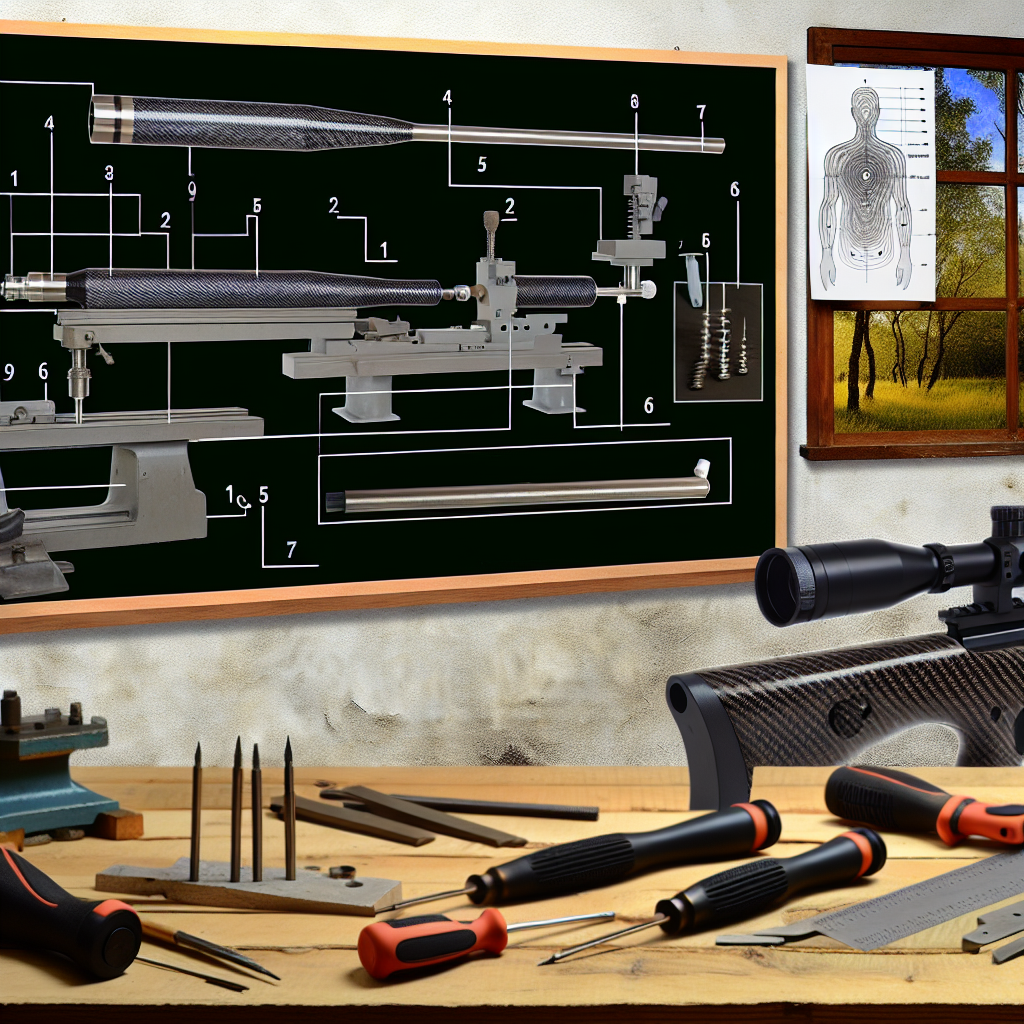
The choice of materials is arguably the most crucial factor in reducing rifle weight while maintaining strength and durability. Traditional hunting rifles often feature heavy blued steel barrels and wooden stocks, which add significant weight. Modern materials offer alternatives that can drastically cut down on mass without compromising performance.
The Barrel
- Fluted Barrels: Fluting involves machining grooves along the length of the barrel, removing material without affecting stiffness significantly. This can reduce barrel weight by up to 25%. For example, Remington’s Model 700 SPS Tactical fluted barrel saves roughly one pound over standard barrels.
- Carbon Fiber Wrapped Barrels: Innovative manufacturers like Proof Research produce barrels wrapped in carbon fiber composites. These barrels weigh nearly half as much as traditional steel barrels while offering excellent heat dissipation and stiffness. Field tests confirm enhanced tracking ability due to reduced barrel whip during shots.
- Lighter Steel Alloys: Stainless steel alloys such as 416R offer corrosion resistance with reduced density compared to traditional carbon steel options.
The Action
- Bolt Action Choices: Short-action bolts tend to be lighter than long-action counterparts because they require less metal lengthwise. Choosing a short-action platform designed with lightweight components can shave ounces off your build.
- CNC Machined Aluminum Receivers: Some manufacturers use high-grade aluminum receivers instead of steel ones—these can be up to 40% lighter while maintaining adequate strength when properly engineered (e.g., Howa’s KRG Bravo chassis).
The Stock
- Synthetic Stocks: Fiberglass or polymer stocks are significantly lighter than traditional walnut or laminate wood stocks. They also offer increased resistance against moisture and warping—important factors during extended hunts in varying weather conditions.
- Laminated Wood Stocks with Bedding Blocks: While heavier than synthetics, laminated stocks provide excellent rigidity at moderate weights; integrating bedding blocks optimizes accuracy without adding unnecessary mass.
-
M-Lok or Modular Chassis systems allow for versatile accessory attachment while keeping the overall weight down. By selecting the right components, you can create a lightweight hunting rifle that performs exceptionally in the field.
In conclusion, careful selection of materials and design can lead to a highly effective lightweight hunting rifle tailored to your needs.