Installing a Custom Bolt Carrier Group Coating: A Comprehensive Guide
The bolt carrier group (BCG) is one of the most critical components of any AR-15 or similar rifle platform. It is responsible for chambering rounds, extracting spent casings, and cycling the firearm reliably. Given its importance, many firearm enthusiasts and professionals seek to enhance the performance and durability of their BCGs by applying custom coatings. These coatings not only improve the aesthetic appeal but also provide functional benefits such as corrosion resistance, reduced friction, and easier maintenance.
This article delves deep into the process of installing a custom bolt carrier group coating, exploring different types of coatings, their advantages, and practical considerations during installation. We will also look at case studies and statistics that highlight the impact of these coatings on firearm performance.
Understanding Bolt Carrier Group Coatings: Types and Benefits
Before diving into installation procedures, it’s essential to understand what bolt carrier group coatings are and why they matter.
The BCG is subjected to extreme heat, friction, carbon buildup, and environmental factors like moisture and dirt. Standard finishes can wear off quickly under these conditions. Custom coatings offer enhanced protection tailored to these challenges.
Popular Coating Types
- Phosphate (Parkerizing): A traditional finish providing moderate corrosion resistance and a matte black appearance. It is cost-effective but requires regular oiling to maintain protection.
- Nitride (Melonite): A popular modern treatment that hardens the steel surface while increasing corrosion resistance. It offers a smooth finish with reduced friction.
- Cerakote: A ceramic-based finish available in numerous colors. Cerakote provides excellent corrosion resistance and aesthetic customization but may add slight thickness to the parts.
- Teflon/PTFE Coatings: Known for their low friction properties, these coatings reduce wear on moving parts and can improve cycling speed.
- DLC (Diamond-Like Carbon): A premium coating offering extreme hardness, low friction, and outstanding corrosion resistance. It is highly durable but expensive.
Functional Benefits
- Increased Durability: Coatings protect against wear caused by metal-on-metal contact and abrasive particles in the chamber.
- Corrosion Resistance: Many coatings prevent rust from humidity or exposure to cleaning solvents.
- Easier Maintenance: Smooth finishes repel carbon buildup and make cleaning simpler.
- Improved Reliability: Reduced friction can contribute to smoother cycling and fewer malfunctions.
- Aesthetic Appeal: Custom colors or textures allow owners to personalize their firearms.
Selecting the Right Coating for Your Bolt Carrier Group
Selecting a coating depends on various factors including your usage environment, budget, maintenance preferences, and desired appearance.
Considerations for Selection
- Intended Use: Competitive shooters may prioritize reduced friction coatings like Teflon or DLC for optimal cycling speed. Military or tactical users often prefer nitride or Cerakote for durability in harsh environments.
- Cost Constraints: While phosphate finishes are affordable, DLC or Cerakote treatments come at a premium price but offer superior performance benefits.
- Aesthetic Preferences: If visual customization is important, Cerakote offers unmatched color options compared to traditional finishes.
- Ecosystem Compatibility: Some coatings might require specific lubricants or cleaning protocols; ensure your maintenance routine aligns with your coating choice.
Case Study: Nitride vs Cerakote in Tactical Applications
A study conducted by a tactical training company compared nitride-coated BCGs with Cerakote-coated counterparts during intensive field exercises involving thousands of rounds fired under adverse weather conditions. Results showed nitride-coated BCGs required less frequent lubrication due to their inherent hardness and surface smoothness. However, Cerakote offered better corrosion resistance after repeated exposure to saltwater environments but required more careful handling due to potential chipping under extreme mechanical stress.
This example highlights that no single coating fits all scenarios perfectly; understanding your specific needs guides better decisions.
The Installation Process: Step-by-Step Guide
The process of installing a custom coating on your bolt carrier group involves several critical steps ranging from preparation to curing. Precision at each stage ensures optimal adhesion and performance of the coating.
Step 1: Disassembly of the Bolt Carrier Group
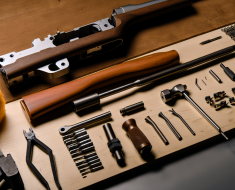
Start by fully disassembling the BCG into its individual components – bolt, carrier, firing pin, cam pin, extractor assembly – following manufacturer guidelines or trusted tutorials. This ensures even coating application without interference from moving parts or tight tolerances preventing proper coverage.
Step 2: Cleaning and Surface Preparation
A clean surface free of oils, dirt, carbon residue, or old finishes is essential for proper adhesion. Use specialized solvents like acetone or dedicated degreasers followed by abrasive blasting (e.g., media blasting with glass beads or aluminum oxide) depending on the type of coating planned. This step roughens the surface microscopically allowing better bonding between metal substrate and coating layers.