How to Upgrade Your AR-15 Handguard: A Comprehensive Guide
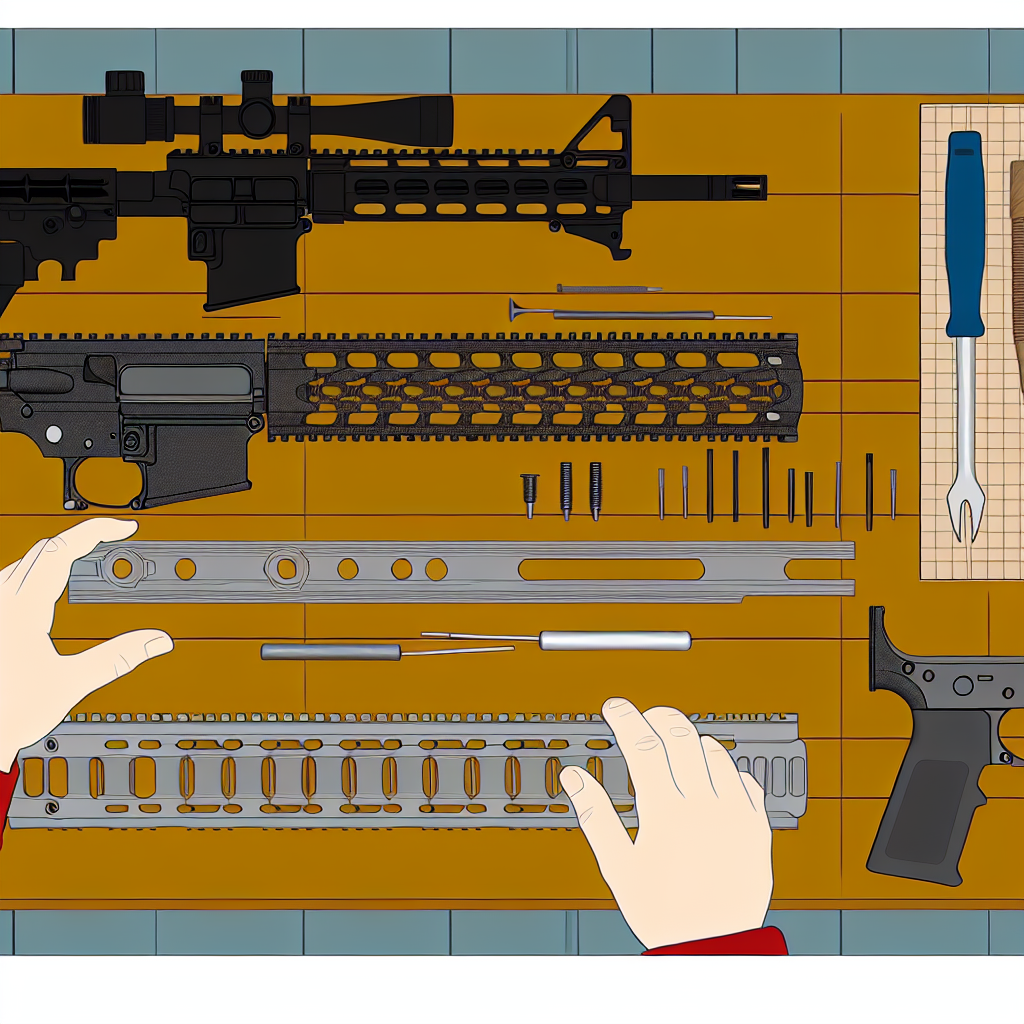
The AR-15 platform is one of the most popular and customizable rifles in the world, renowned for its versatility and modularity. One of the most impactful upgrades you can make to your AR-15 is changing the handguard. The handguard not only affects the rifle’s aesthetics but also its functionality, ergonomics, and overall shooting experience. Whether you’re a seasoned shooter or a beginner looking to optimize your setup, upgrading your AR-15 handguard can enhance performance and customization options.
This article will explore how to upgrade your AR-15 handguard effectively. We will cover the types of handguards available, considerations for choosing the right one, installation tips, and real-world examples of how an upgraded handguard can transform your rifle.
Understanding the Role of the Handguard in Your AR-15
The handguard is the protective covering around the barrel of your AR-15. It serves multiple purposes beyond just aesthetics:
- Heat Shield: Protects your hands from barrel heat during prolonged firing sessions.
- Mounting Platform: Provides attachment points for accessories like optics, lights, lasers, foregrips, and bipods.
- Ergonomics: Influences how comfortable and controllable your rifle feels during use.
- Weight Distribution: Affects the balance of your rifle, which can influence handling and fatigue.
The original factory handguards on many AR-15s are often basic polymer designs with limited mounting options. Upgrading to a modern free-floating or modular handguard opens up possibilities for improved accuracy and customization.
Types of AR-15 Handguards: Which One Is Right for You?
Selecting the right handguard depends on your shooting needs, budget, and preferences. Here are the main types you’ll encounter:
1. Drop-In Handguards
These are traditional two-piece handguards that “drop” into place on a delta ring assembly near the receiver. They are usually polymer or aluminum with limited rail space.
- Pros: Easy to install without specialized tools; generally affordable.
- Cons: Not free-floating—can impact barrel harmonics and accuracy; limited accessory mounting options.
This type is suitable for casual shooters or those on a budget but offers limited performance improvements.
2. Free-Floating Handguards
A free-floating handguard attaches only at the barrel nut near the receiver and does not contact the barrel itself. This design improves accuracy by eliminating external pressure on the barrel.
- Pros: Enhanced accuracy; more mounting options; better heat dissipation.
- Cons: Requires more precise installation; generally higher cost.
Free-floating models come in various materials like aluminum or carbon fiber and feature modular rail systems such as M-LOK or KeyMod for accessory attachment.
3. Quad Rail vs Modular Rail Systems (M-LOK / KeyMod)
The rail system dictates how you attach accessories:
- Quad Rails: Feature Picatinny rails on all four sides (top, bottom, left, right). They offer maximum mounting surfaces but add weight and bulkiness.
- M-LOK / KeyMod Systems: These modular systems use slots instead of full rails. They reduce weight while maintaining flexibility to mount accessories where needed.
M-LOK has become increasingly popular due to its ease of use and broad industry support. Many modern handguards offer M-LOK compatibility for lightweight customization without sacrificing strength.
Key Factors to Consider Before Upgrading Your Handguard
Your choice should be guided by several important factors that affect both function and personal preference:
- Barrel Length Compatibility: Ensure your new handguard matches or exceeds your barrel length to provide adequate coverage and protection.
- Material Quality: Aluminum is durable and lightweight; carbon fiber offers even lighter weight with heat resistance but at a premium price; polymer is less common in free-float designs but remains affordable.
- Weight Considerations: Heavier quad rails add bulk which might tire you out faster during extended use; lighter M-LOK designs improve maneuverability especially in tactical or hunting scenarios.
- Aesthetic Preferences: The look of your rifle matters if you want a personalized build—color options like Cerakote finishes are available from many manufacturers.
- Ejection Port Clearance & Gas Block Access: Some free-float rails require specific gas block sizes or design adjustments during installation—ensure compatibility before purchase.
- Tactical vs Recreational Use: Competition shooters may prioritize ergonomics and lightweight design whereas tactical users might want maximum rail space for attachments like lights and lasers.
A Step-by-Step Guide to Installing a Free-Floating Handguard If you’ve decided on upgrading to a free-floating handguard—which is widely regarded as one of the best performance upgrades—here’s how you can get started.
Upgrading your AR-15 handguard can significantly enhance both its functionality and aesthetic appeal.