How to Customize Your Firearm’s Gas System
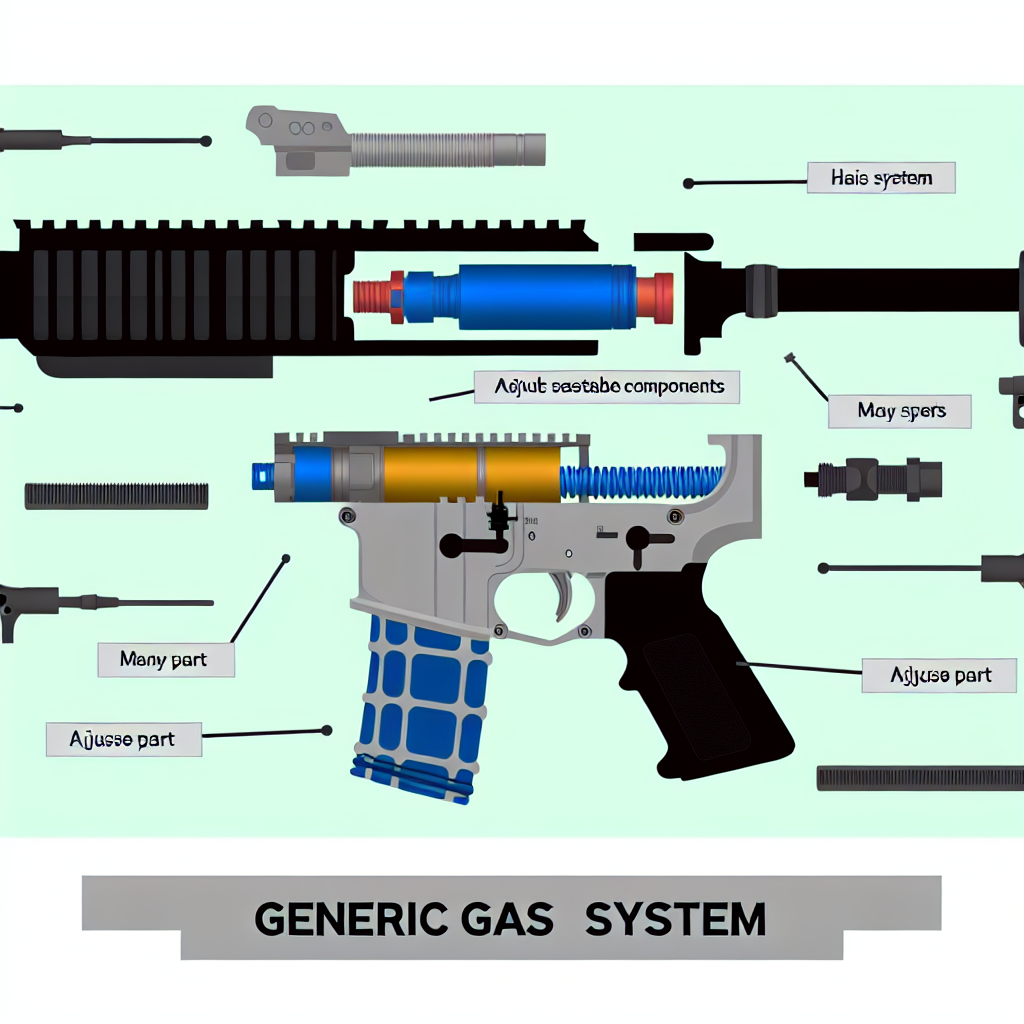
Customizing a firearm’s gas system is a nuanced yet highly effective way to enhance its performance, reliability, and shooting experience. Whether you are a competitive shooter, a tactical enthusiast, or a hunter looking for optimal performance, understanding how to adjust your firearm’s gas system can be transformative. This article delves into the essential aspects of firearm gas systems, the benefits of customization, and practical steps to tailor your setup for maximum efficiency.
Understanding the Basics: What Is a Firearm Gas System?
The gas system in a firearm is responsible for cycling the action by redirecting propellant gases generated from firing a round. It plays a crucial role in semi-automatic and automatic firearms by utilizing these gases to eject spent casings and chamber new rounds.
Gas systems come in various configurations depending on the firearm design, but typically include:
- Gas Port: A small hole in the barrel that taps into the expanding gases.
- Gas Tube or Piston: Channels or directs gas from the port to the bolt carrier group or operating mechanism.
- Gas Block: Positioned over the gas port to regulate how much gas enters the system.
The three primary types of gas systems you will encounter are:
- Direct Impingement (DI): Used notably in AR-15 style rifles where gas is routed directly back to the bolt carrier group.
- Piston-driven systems: Utilize a piston and operating rod to cycle the action, often seen in AK-style rifles and modern piston ARs.
- Short-stroke vs. Long-stroke pistons: Variants of piston systems differing in how much movement is transferred from the piston to the bolt carrier.
A clear grasp of your firearm’s existing gas system type is essential before attempting customization.
The Benefits of Customizing Your Firearm’s Gas System
Why should you consider customizing your firearm’s gas system? Many shooters overlook this component but optimizing it can deliver several key advantages:
- Improved Reliability: Adjusting gas flow can ensure consistent cycling across different ammunition types and environmental conditions.
- Reduced Recoil and Muzzle Rise: Proper tuning can soften recoil impulses, allowing faster follow-up shots and improved accuracy.
- Enhanced Durability: Limiting excess gas pressure reduces wear on internal parts like bolts, carriers, and buffer springs.
- Noise and Blast Control: Tuning can minimize excessive muzzle blast and noise directed back towards the shooter.
- Customization for Suppressors: Suppressors alter backpressure; adjusting the gas system ensures reliable function without over-gassing.
A study conducted by firearms manufacturer HK revealed that properly tuned piston-driven rifles experienced up to a 30% reduction in component wear compared to standard setups under similar firing conditions. Additionally, competitive shooters report improved shot-to-shot recovery times when recoil is reduced via optimized gas systems.
Key Considerations Before Customizing Your Gas System
Tinkering with your firearm’s gas system requires thoughtful preparation. Here are important factors to evaluate before making modifications:
- Ammunition Type: Different loads produce varying amounts of pressure; heavier or subsonic rounds may require more or less gas flow.
- Shooting Environment: Cold weather, dirt, or high humidity can impact cycling; tuning for specific environments improves reliability.
- Shooting Style and Purpose: Tactical users may prioritize reliability under harsh conditions; competition shooters seek minimal recoil for rapid fire accuracy.
- The Presence of Accessories: Adding suppressors or muzzle devices affects backpressure significantly.
- Your Firearm Model and Compatibility: Not all firearms allow easy adjustments—research compatible aftermarket parts carefully.
A common mistake is over-gassing—introducing too much gas—which can accelerate wear or cause malfunctions. Under-gassing results in failures to cycle properly. Striking the right balance is key.
Methods for Customizing Your Firearm’s Gas System
The process of customizing varies depending on your firearm type but generally involves one or more of these approaches:
1. Adjustable Gas Blocks
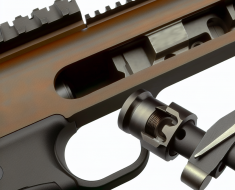
An adjustable gas block replaces your factory unit and allows fine control over how much gas enters the system. These blocks feature screws or knobs that open or restrict the gas port size manually.
- Advantages:
- User-friendly tuning without permanent modifications
- Easily reversible settings for different ammunition types or attachments
- Smooth operation with minimal tools required
- Example:
- The SLR Rifleworks Adjustable Gas Block is popular among AR enthusiasts because it offers precise tuning capability with robust construction suitable for suppressor use.
2. Changing Gas Tubes or Pistons
You can swap out
gas tubes or pistons to alter the gas flow characteristics of your firearm. This can improve reliability and performance based on your specific needs.
Customizing your gas system can enhance your shooting experience significantly, ensuring optimal performance and reliability.