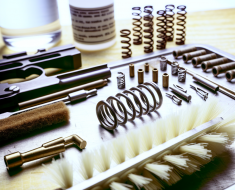
Gun Cleaning Safety Tips Every Shooter Should Know
Proper maintenance and cleaning of firearms are essential responsibilities for every gun owner. Not only does regular cleaning ensure the optimal performance and longevity of your weapon, but it also plays a critical role in safety. Neglecting gun cleaning can lead to malfunctions, misfires, or even dangerous accidents. This article will delve into essential gun cleaning safety tips that every shooter should know, backed by expert advice, real-world examples, and proven best practices.
Understanding the Importance of Gun Cleaning Safety
Firearms are complex mechanical devices that operate under extreme conditions—heat, pressure, and residue buildup from each shot fired. When these residues accumulate without proper cleaning, they can cause blockages or corrosion that affect reliability. More importantly, improper cleaning techniques or ignoring safety protocols can lead to catastrophic accidents.
According to a report by the National Safety Council (NSC), firearm-related accidents during maintenance are among the leading causes of unintentional injuries involving guns. These incidents often stem from failure to check if a firearm is unloaded before cleaning or using inappropriate tools and chemicals.
By prioritizing safety during gun cleaning sessions, shooters not only protect themselves and others but also extend the life of their firearms and maintain consistent performance.
Essential Safety Checks Before You Start Cleaning
The first and most crucial step in any gun cleaning routine is ensuring the firearm is completely unloaded and safe to handle. Skipping this step can lead to accidental discharges with potentially fatal consequences.
- Unload the Firearm: Remove all ammunition from the chamber and magazine. Physically and visually inspect both to confirm no rounds remain.
- Separate Ammunition: Store ammunition away from your cleaning area to avoid confusion or accidental loading.
- Engage Safety Mechanisms: If your firearm has a manual safety or trigger lock, engage it after unloading.
- Work in a Controlled Environment: Clean your gun in a well-lit, clutter-free area dedicated solely for this purpose to minimize distractions and mistakes.
A practical example comes from law enforcement training protocols where officers are taught the “Four Rules of Gun Safety” before any handling: treat every gun as if it’s loaded; never point it at anything you don’t intend to shoot; keep your finger off the trigger until ready; always be sure of your target and what is beyond it. These foundational rules apply equally during cleaning.
Choosing the Right Tools and Cleaning Materials
Selecting appropriate tools and materials is vital not only for effective cleaning but also for safety. Using incorrect solvents or abrasive brushes can damage parts or create hazardous fumes.
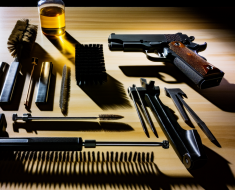
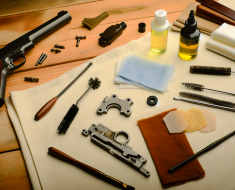
- Simplified Cleaning Kits: Many manufacturers offer model-specific kits with all necessary components such as rods, brushes, patches, and lubricants designed for that firearm type.
- Use Non-Toxic Solvents: Some traditional solvents contain harsh chemicals like ammonia or chlorinated hydrocarbons which pose health risks if inhaled or absorbed through skin. Opt for low-toxicity or biodegradable options where possible.
- Avoid Overly Aggressive Tools: Steel brushes can scratch barrels if used improperly; brass brushes are gentler alternatives. Use cotton patches rather than abrasive cloths for wiping surfaces.
- PPE (Personal Protective Equipment): Always wear gloves to protect your skin from solvent exposure and eye protection against splashes.
A 2021 study published in the Journal of Occupational Health highlights increased respiratory issues among shooters regularly exposed to toxic cleaning solvents without adequate ventilation or protective gear. This underlines how critical material choice is not just for firearm care but user health too.
Safe Cleaning Techniques: Step-by-Step Guide
The methodical approach reduces risks while improving results. Follow these general steps tailored for most firearms:
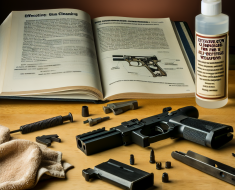
- Disassemble Carefully: Follow manufacturer instructions precisely when breaking down your gun into parts for cleaning. Improper disassembly can damage components or cause springs to fly out unexpectedly.
- Clean Barrel First: Attach an appropriate brush soaked in solvent to a cleaning rod. Run it through the barrel several times from chamber end to muzzle—not vice versa—to avoid damaging rifling.
- Patches Next: Use clean patches on the rod to wipe out loosened residue until patches come out clean.
- Lubricate Moving Parts: Apply recommended lubricants sparingly on parts like slide rails, bolt carriers, and hinges—but avoid over-lubrication which attracts dirt or impedes function.
- Reassemble Safely: Put all parts back together securely following instructions; double-check correct alignment of components before testing functionality manually (dry fire only with snap caps).
An illustrative case occurred in 2019 when an experienced shooter neglected proper barrel direction during brush use—applying force backward through the muzzle—which caused internal rifling damage requiring costly repairs. Such mistakes emphasize why adherence to safe techniques matters deeply.
Avoiding Common Mistakes That Compromise Safety
No matter experience level, shooters sometimes fall into unsafe habits during gun maintenance.
Being aware of these pitfalls helps prevent accidents: Mishandling Loaded Guns: Cleaning a firearm without ensuring it is unloaded can lead to tragic consequences. Always check and recheck before starting any maintenance.
By following these safety tips, shooters can ensure a safer and more effective gun cleaning experience.