How to Clean Polymer Frame Pistols: A Comprehensive Guide
Polymer frame pistols have revolutionized the firearms industry, offering lightweight, durable, and corrosion-resistant alternatives to traditional metal-framed handguns. Models like the Glock 19, Smith & Wesson M&P series, and Sig Sauer P320 are favorites among law enforcement, military personnel, and civilian shooters alike. However, maintaining these firearms requires specific care and cleaning techniques tailored to their unique materials and mechanisms.
This article will provide an in-depth guide on how to clean polymer frame pistols effectively, ensuring optimal performance, longevity, and safety. We will explore the essentials of firearm cleaning, tools needed, step-by-step procedures, common pitfalls to avoid, and tips backed by expert advice and case studies.
Understanding Polymer Frame Pistols: What Sets Them Apart?
Before diving into the cleaning process, it’s crucial to understand what distinguishes polymer frame pistols from their all-metal counterparts. The frame is typically made from a high-strength polymer composite rather than steel or aluminum. This offers several advantages:
- Weight Reduction: Polymer frames significantly reduce the overall weight of the pistol without compromising strength.
- Corrosion Resistance: Unlike metal frames prone to rusting if not properly maintained, polymers are inherently resistant to corrosion.
- Cost Efficiency: Manufacturing polymer frames is often less expensive, making these pistols more affordable.
- Ergonomics: Polymer allows for intricate molding of grip textures and contours for improved handling.
However, polymers also have limitations in terms of heat tolerance and susceptibility to certain solvents or chemicals used during cleaning. Therefore, a customized approach is necessary when maintaining these firearms.
The Importance of Regular Cleaning for Polymer Frame Pistols
Cleaning any firearm is essential for safe operation and reliability. For polymer frame pistols, regular maintenance helps prevent malfunctions such as failure to feed or eject and reduces wear on moving parts. According to a study published by the National Institute of Justice (NIJ), improper maintenance was a contributing factor in nearly 30% of firearm malfunctions reported by law enforcement agencies between 2015-2020.
The benefits of routine cleaning include:
- Enhanced Reliability: Removing fouling and debris ensures smooth cycling of rounds.
- Extended Service Life: Proper lubrication prevents premature wear on metal components housed within the polymer frame.
- Safety Assurance: A clean firearm reduces the risk of accidental discharge caused by mechanical failures.
- Aesthetic Preservation: Keeping your pistol clean maintains its appearance and resale value.
Essential Tools and Supplies for Cleaning Polymer Frame Pistols
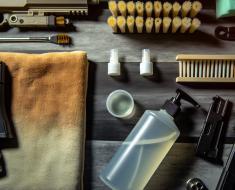
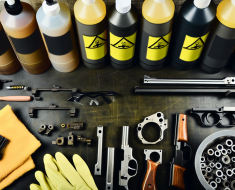
The right tools make all the difference when cleaning your polymer framed handgun. Below is a list of recommended supplies tailored for polymer pistol maintenance:
- Bore Brush: Typically bronze or nylon brushes sized appropriately for your caliber (e.g., 9mm bore brush).
- Patches & Patch Holder: Cotton patches used with a cleaning rod or jag for applying solvent and oil.
- Cleaning Rod or Bore Snake: A rigid rod or flexible bore snake aids in scrubbing the barrel interior.
- Solvent/Cleaner: Use a high-quality gun solvent designed to break down carbon fouling but safe on polymers (avoid harsh chemicals like acetone).
- Lubricant/Oil: Use synthetic oils recommended by firearm manufacturers for lubricating moving parts without degrading polymer components.
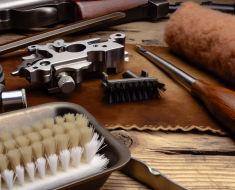
- Nylon Brushes & Toothbrushes: For scrubbing hard-to-reach nooks on the slide and frame without scratching polymer surfaces.
- Cotton Swabs/Q-tips: Useful for precise cleaning around pins and tight areas.
- Clean Microfiber Cloths: For wiping down surfaces after cleaning to remove excess solvent or oil.
A well-organized cleaning kit that includes these tools simplifies routine maintenance while minimizing risks of damage during disassembly or cleaning.
Step-by-Step Guide: How to Clean Your Polymer Frame Pistol Safely
The following procedure outlines an effective method for cleaning polymer framed pistols such as Glock models or Smith & Wesson M&P series. Always consult your specific manufacturer’s manual first as some steps may vary slightly depending on design features.
Step 1: Safety First — Unload Your Firearm
The most critical step before any maintenance is ensuring your pistol is completely unloaded. Follow these steps carefully:
- Eject the magazine from the pistol.
- Pull back the slide and visually inspect both chamber and magazine well to confirm no ammunition remains inside.
- If possible, physically check with a finger inside chamber for peace of mind.
This step cannot be overstated; never attempt to clean a loaded firearm under any circumstances.
and safely. Typically, this involves pulling the trigger while simultaneously pressing down on the takedown levers. Once separated, you can clean each component effectively.
Regular cleaning will ensure your pistol remains in optimal condition and functions reliably.