Proper Gun Cleaning Techniques for Beginners
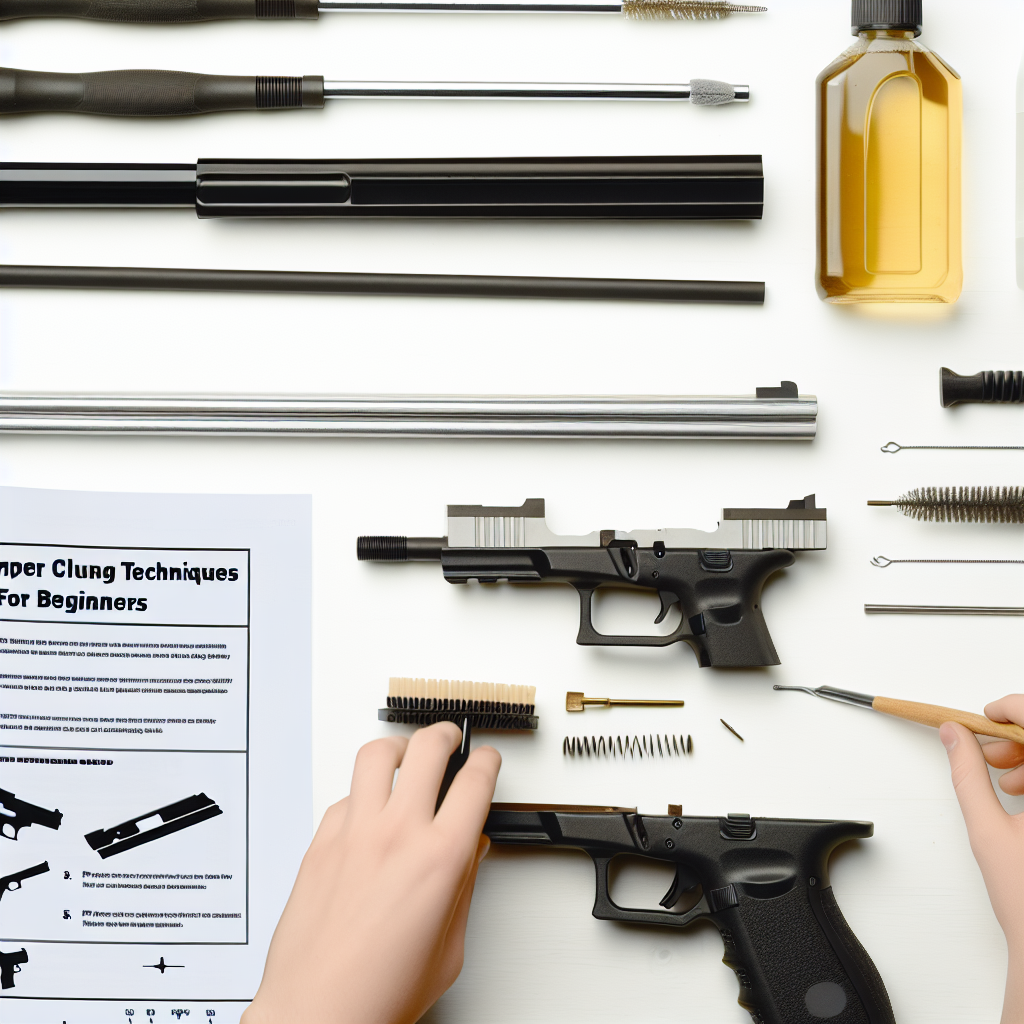
Maintaining a firearm is not only essential for ensuring its longevity but also crucial for safe and reliable operation. For beginners, the process of cleaning a gun might seem intimidating due to the various parts, specialized tools, and chemical solvents involved. However, with proper knowledge and systematic techniques, gun cleaning can become a straightforward and rewarding routine. This article delves into the fundamental steps and best practices for gun cleaning, providing beginners with a comprehensive guide to keep their firearms in optimal condition.
Why Proper Gun Cleaning is Essential
Before diving into the techniques, it’s important to understand why cleaning your firearm is so critical. Regular maintenance affects everything from the firearm’s accuracy to its safety and longevity.
- Safety: Residue buildup can cause malfunctions such as misfires or jams, which may be dangerous during use.
- Reliability: A clean firearm performs consistently without unexpected failures.
- Longevity: Corrosion and rust can deteriorate metal parts if residue and moisture are not removed promptly.
- Accuracy: A clean barrel ensures that bullets follow a precise trajectory.
A study conducted by the National Shooting Sports Foundation (NSSF) found that more than 40% of firearm malfunctions reported by users were linked to poor maintenance practices. This highlights the importance of adopting proper cleaning routines from the start.
Understanding Your Firearm: Preparation Before Cleaning
The first step in effective gun cleaning is understanding your specific firearm model. Different guns require different approaches depending on their design—be it a revolver, semi-automatic pistol, rifle, or shotgun.
Consult the Owner’s Manual:
The manufacturer’s manual provides critical information on disassembly procedures, recommended solvents, lubricants, and any special considerations unique to your firearm.
- Example: The disassembly process for an AR-15 rifle differs significantly from that of a bolt-action rifle like the Remington 700.
- Caution: Never attempt to clean your gun without first ensuring it is unloaded. Double-check both the chamber and magazine before proceeding.
Create a Safe Workspace:
A well-lit area with a flat surface helps keep all components organized. Using a gun cleaning mat protects your furniture from solvents and small parts from getting lost. Consider wearing nitrile gloves to protect your skin from chemicals.
The Essential Tools and Supplies for Beginners
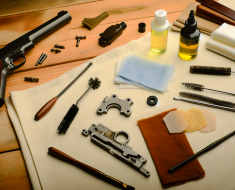
A successful cleaning session depends heavily on having the right tools at hand. Here’s an overview of basic supplies every beginner should have:
- Bore Brush: Typically made of bronze or nylon, used to scrub the inside of the barrel.
- Patches: Small pieces of cloth used with cleaning solvent and oil to remove residue from inside the barrel.
- Cleaning Rod or Bore Snake: A rod that guides brushes and patches through the barrel; bore snakes combine these elements into one tool for quicker cleaning.
- Cleaning Solvent: Breaks down carbon buildup, lead fouling, and powder residue.
- Gun Oil/Lubricant: Protects metal surfaces from rust and reduces friction between moving parts.
- Nylon Brushes and Toothbrushes: Help scrub hard-to-reach areas without damaging finishes.
- Picks or Cotton Swabs: Useful for detailed cleaning in tight spaces such as around firing pins or extractor grooves.
Case Study:
A beginner shooter named Sarah shared her experience starting with minimal tools—a basic bore brush and some oil—and quickly realized that investing in quality solvents and brushes drastically improved her gun’s performance. This emphasizes how having appropriate supplies enhances both effectiveness and ease during cleaning sessions.
The Step-by-Step Gun Cleaning Process
This section outlines a general step-by-step method suitable for most firearms. Always adapt based on your specific model’s requirements as stated in its manual.
1. Ensure Safety First
The cardinal rule when handling firearms is safety. Remove all ammunition from the area. Visually inspect and physically check that your gun is completely unloaded before proceeding.
2. Field Strip Your Firearm
Disassemble your gun into its main components (e.g., slide, barrel, frame). Avoid complete teardown unless you are trained or confident in reassembly. Keeping parts organized prevents confusion later on.
3. Clean the Barrel (Bore)
- Saturate a patch with solvent and run it through the barrel using a cleaning rod or bore snake to loosen debris.
- Add a bore brush soaked in solvent through several times to scrub stubborn fouling inside the barrel walls.
- Run clean patches repeatedly until they come out free of residue—this might take several passes depending on how dirty the barrel is.
4. Clean Other Components
- Use nylon brushes dipped in solvent to scrub areas like bolt faces, chambers, slides, magazines, or trigger assemblies where dirt accumulates.
Be sure to reassemble your firearm correctly and perform a final function check before storing it away.
Regular cleaning not only maintains your gun’s performance but also ensures your safety and longevity of the firearm.