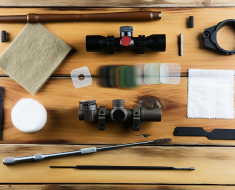
Cleaning Your Gun After a Shooting Competition: Essential Steps for Optimal Performance
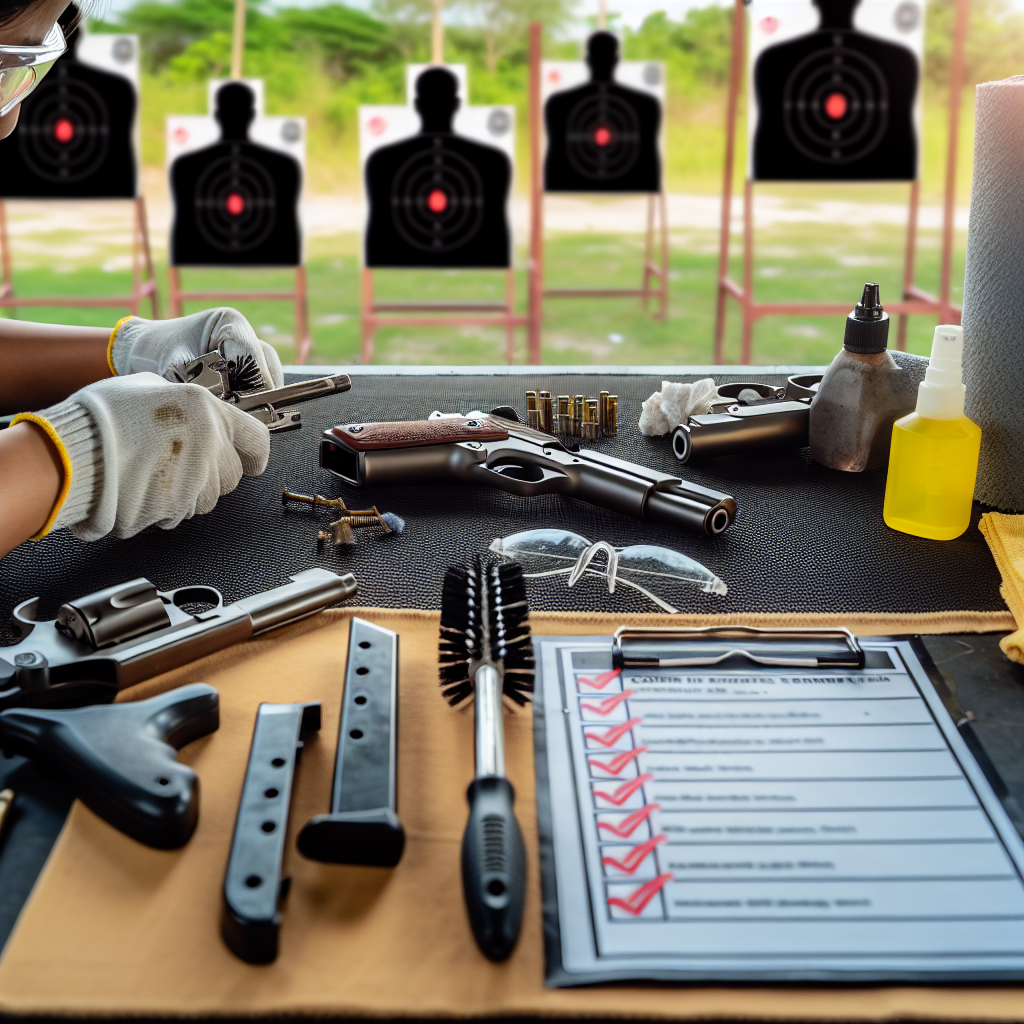
Participating in shooting competitions is both an exhilarating and demanding experience. Whether you’re involved in precision rifle matches, practical shooting, or traditional pistol competitions, your firearm undergoes significant stress during the event. The accumulation of fouling, debris, and residue can impact your gun’s performance and longevity if not properly addressed post-competition. This article delves into the crucial process of cleaning your gun after a shooting competition, providing detailed guidance to ensure reliability, safety, and peak performance for your next outing.
Why Cleaning Your Gun After a Competition Is Critical
After firing hundreds of rounds in a competitive environment, your firearm collects various contaminants that can degrade its function. Understanding the reasons behind cleaning helps emphasize its importance:
- Residue Buildup: Gunpowder residues and carbon deposits accumulate in the barrel and action, which can cause malfunctions or decreased accuracy.
- Corrosion Prevention: The heat generated during shooting can cause metal parts to oxidize, especially when exposed to moisture or sweat from hands.
- Maintaining Reliability: Competitive shooting demands consistency; even minor fouling can lead to jams or misfires.
- Preserving Value: Regular maintenance extends the lifespan of your firearm, protecting your investment.
A study by the National Shooting Sports Foundation (NSSF) found that over 70% of firearm malfunctions in competitions were due to improper cleaning or maintenance. This statistic alone underscores why diligent post-match care is indispensable for serious shooters.
The Essential Tools and Supplies for Post-Competition Cleaning
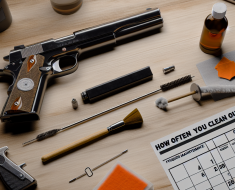
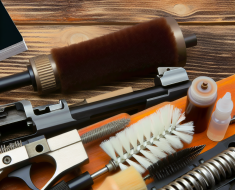
Before starting the cleaning process, gather the necessary tools to ensure efficiency and thoroughness. Having the right supplies on hand will make the task smoother and more effective:
- Cleaning Rods and Brushes: A quality cleaning rod with appropriately sized brushes (bronze or nylon) is critical for scrubbing barrel interiors without damage.
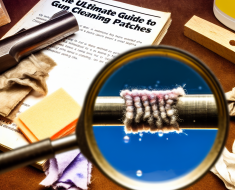
- Patches and Jag: Cotton patches used with a jag help remove loosened fouling from the bore.
- Solvents and Lubricants: Use specialized gun cleaning solvents designed to break down powder residue and oils to lubricate moving parts afterward.
- Bore Snake (Optional): A bore snake offers a quick method to pull through the barrel, especially useful for on-the-go cleaning between stages or matches.
- Nylon Picks and Toothbrushes: Useful for reaching tight spaces such as extractor grooves and slide rails.
- Safety Equipment: Protective gloves and eye protection prevent exposure to harsh chemicals during cleaning.
A well-stocked cleaning kit tailored to your firearm type is an invaluable asset. Brands like Hoppe’s, Break-Free CLP, and Ballistol are renowned for their reliable products favored by competitive shooters worldwide.
Step-by-Step Guide: How to Clean Your Gun After a Competition
The cleaning process should be systematic to cover all critical areas without missing hidden fouling spots. Follow these detailed steps after confirming your firearm is unloaded and safe to handle:
1. Safety First: Unload and Inspect
The cornerstone of any gun maintenance routine is safety. Remove all ammunition from the workspace, double-check chamber emptiness visually and physically, then disassemble according to your firearm’s manual.
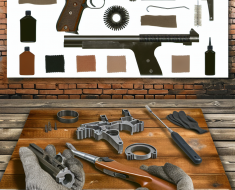
2. Disassemble Your Firearm Properly
Breaking down your gun into its main components—barrel, slide/bolt assembly, frame—allows thorough access for cleaning. Over-disassembly should be avoided unless you’re experienced since it may complicate reassembly or void warranties.
3. Clean the Barrel Thoroughly
- Apply solvent inside the barrel using a patch attached to a rod; allow it to sit for several minutes to dissolve carbon buildup.
- Run bronze brushes through multiple times, ensuring you scrub gently but firmly along rifling grooves.
- Punch out loosened debris with clean patches until they come out nearly spotless—this may take several iterations depending on fouling levels.
A case study conducted by Precision Rifle Blog demonstrated that barrels cleaned immediately after heavy use retained accuracy improvements up to 15% compared with guns cleaned less frequently — highlighting how prompt post-use care benefits performance directly.
4. Clean Other Components: Slide/Action/Frame
The action houses many small parts vulnerable to fouling-related failures:
- Use solvent-soaked brushes or picks to clean extractor grooves, firing pin channels, rails where slides move back-and-forth.
- A toothbrush helps dislodge stubborn dirt around pins or springs without damaging surfaces.
- Dab away excess solvent carefully with cloth patches or microfiber towels before lubrication.
5. Lubricate Moving Parts Strategically
Lubrication reduces friction between moving components but over-application attracts dirt. Focus on high-friction points such as slide rails, bolt lugs, hinges, trigger components according to manufacturer recommendations.
Use light coats rather than heavy applications to ensure optimal performance without attracting excess dirt. Regular maintenance will keep your firearm in top condition for future competitions.