How to Clean and Maintain Gun Sights and Scopes
Proper maintenance of gun sights and scopes is essential for any firearm enthusiast, hunter, or professional marksman. These optical devices are critical for accuracy, reliability, and overall shooting performance. Over time, dirt, moisture, oils, and environmental contaminants can degrade their functionality, leading to blurred vision or misalignment. This comprehensive guide will explore how to clean and maintain gun sights and scopes effectively to ensure longevity and optimal performance.
Understanding the Importance of Cleaning and Maintenance
Gun sights and scopes serve as the primary interface between the shooter and the target. Whether using iron sights, red dot sights, or high-end telescopic scopes, clear visibility and proper alignment are paramount.
Neglecting regular cleaning can result in several issues:
- Reduced Accuracy: Dirt or smudges on lenses distort the sight picture.
- Corrosion: Moisture trapped inside or on external surfaces can cause rust.
- Mechanical Failure: Dust or debris can impair moving parts such as adjustment knobs or reticle illumination controls.
- Increased Wear: Lack of lubrication on certain components can cause premature wear.
A study by the National Shooting Sports Foundation found that over 60% of shooters reported degraded performance due to poorly maintained optics, underscoring the importance of routine care.
Essential Tools and Materials for Cleaning Gun Sights and Scopes
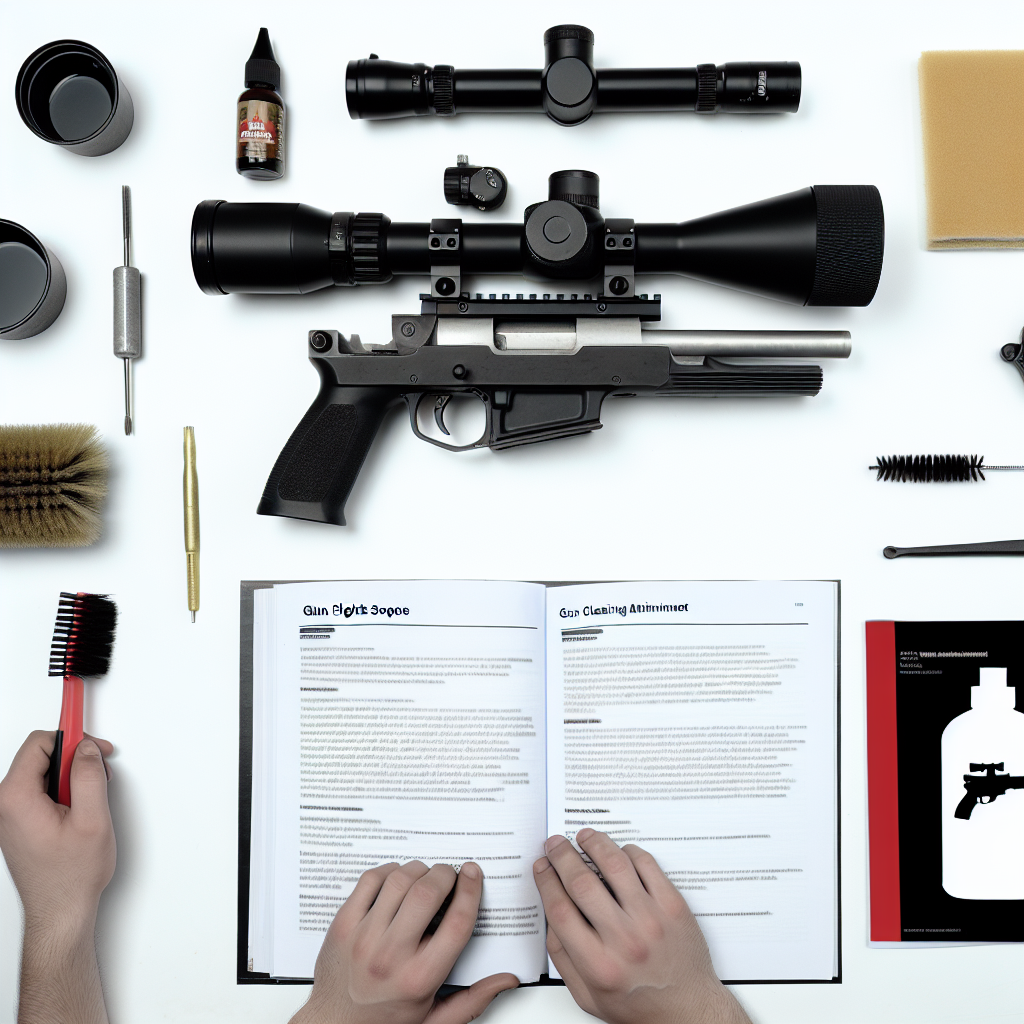
Before beginning maintenance, it is vital to gather the appropriate tools. Using improper materials can damage delicate lenses or coatings. Below is a list of recommended items:
- Lens Cleaning Solution: Specifically formulated for optics; avoids harsh chemicals that strip coatings.
- Microfiber Cloths: Soft cloths designed to remove dirt without scratching glass surfaces.
- Lens Brush or Blower: To gently remove loose dust before wiping.
- Cotton Swabs: For cleaning tight corners around lenses and adjustment knobs.
- Screwdrivers or Allen Wrenches: To tighten mounts if necessary during maintenance.
- Synthetic Grease or Oil: For lubricating moving mechanical parts (use sparingly).
Avoid household cleaners, paper towels, or abrasive materials as these can irreparably damage lenses with coatings designed to reduce glare and enhance clarity.
The Step-by-Step Process for Cleaning Gun Sights
The approach varies slightly depending on whether you are cleaning traditional iron sights or electronic/red dot sights. However, the fundamental principles remain consistent: remove debris first, then clean surfaces carefully without causing damage.
Cleaning Iron Sights
Iron sights are generally more robust but still require attention to detail for effective maintenance:
- Step 1: Remove Loose Dirt
- Step 2: Wipe Down Metal Surfaces
- Step 3: Inspect for Rust or Damage
- Step 4: Lubricate Moving Parts
Use a soft brush or compressed air to dislodge dirt particles from around the front post and rear aperture.
Dampen a microfiber cloth with a mild solvent safe for metal (such as gun oil) to clean off grease or grime. Avoid soaking the sight; just lightly wipe down surfaces.
If rust spots appear, treat them promptly with fine steel wool followed by a rust-preventative lubricant.
If your iron sights have elevation or windage adjustments, apply a small amount of synthetic oil to keep mechanisms smooth.
Cleaning Red Dot Sights
The electronic nature of red dot sights requires extra caution to avoid damaging sensitive components like batteries or LED emitters:
- Step 1: Remove Dust Using a Lens Brush
- Step 2: Use Lens Cleaner Sparingly
- Step 3: Clean Housing Carefully
- Step 4: Check Battery Compartment
Avoid pressing directly on the lens; instead use a lens brush or blower to gently clear dust from glass surfaces.
Dab lens cleaning solution onto a microfiber cloth rather than applying it directly on the lens. Wipe gently in circular motions.
A lightly dampened cloth with gun oil can be used on the outer body but keep moisture away from battery compartments.
Inspect batteries for corrosion; replace if necessary. Clean terminals with a cotton swab dipped in isopropyl alcohol if oxidation is present.
Caring for Telescopic Scopes: Precision Cleaning Techniques
Telescope scopes demand meticulous care due to their complex optical systems involving multiple lenses and internal components.
Here’s how to maintain them effectively: Lens Protection: Always use lens caps when not in use to shield your optics from dust and scratches.
Regular maintenance ensures your gun sights and scopes remain in optimal condition for accurate shooting.