Cleaning Tips for Competitive Shooters’ Firearms

Competitive shooting demands precision, consistency, and reliability from both the shooter and their equipment. Among the various factors that contribute to peak performance, maintaining a clean and well-functioning firearm is paramount. Proper cleaning not only ensures safety but also enhances accuracy, reduces malfunctions, and extends the lifespan of your firearm.
In this article, we will explore essential cleaning tips tailored for competitive shooters, backed by expert advice, scientific insights, and practical examples. Whether you compete in IPSC, USPSA, 3-Gun, or any other shooting sport, these guidelines will help you keep your firearms in optimal condition.
Understanding the Importance of Regular Cleaning
While some casual shooters may overlook regular maintenance, competitive shooters understand that even minor residues or fouling can drastically affect performance. According to a study published in the Journal of Forensic Sciences, carbon buildup inside barrels can increase friction and reduce bullet velocity by up to 5%, which translates to a measurable decrease in accuracy.
Moreover, dirty firearms are more prone to malfunctions such as misfeeds or jams. In high-stakes competitions where fractions of a second matter, these issues can be costly. A survey conducted among top-level IPSC competitors found that 78% experienced at least one malfunction during competition attributed directly to poor cleaning habits.
- Accuracy: Clean barrels reduce fouling that can cause bullets to veer off course.
- Reliability: Proper lubrication and residue removal prevent jams and misfeeds.
- Longevity: Regular cleaning prevents corrosion and wear on critical components.
Therefore, understanding when and how to clean your firearm is as important as mastering your shooting technique.
The Right Tools for Effective Firearm Cleaning
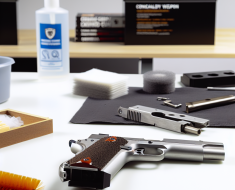
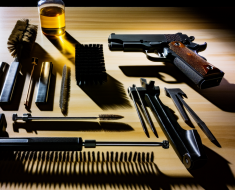
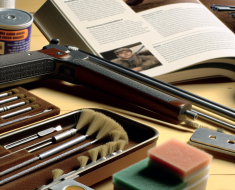
Using proper tools is crucial for thorough yet safe cleaning. Competitive shooters often invest in high-quality cleaning kits designed specifically for their firearm type—be it pistols, rifles, or shotguns.
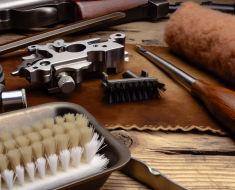
- Bore Brushes: Available in brass or nylon; brass brushes are effective for stubborn fouling but should be used carefully to avoid barrel damage.
- Cleaning Rods: Preferably made from coated steel or carbon fiber to prevent scratching inside the barrel.
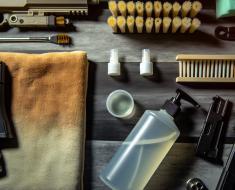
- Patches: Cotton patches are ideal for applying solvents and wiping residues; microfiber cloths can also be used for surface cleaning.
- Solvents and Lubricants: Use high-quality solvents designed to break down carbon, copper fouling, and powder residues without harming metal finishes. Lubricants should provide smooth operation without attracting excessive dirt.
- Nylon Brushes: Useful for scrubbing small parts like trigger assemblies without damaging surfaces.
- Cleaning Picks and Toothbrushes: Help reach tight spots where dirt accumulates.
A well-prepared shooter always keeps a dedicated cleaning kit on hand at the range to perform quick maintenance between stages if necessary.
The Step-by-Step Cleaning Process: Best Practices
A systematic approach ensures no part of your firearm is neglected. Here’s an effective step-by-step process recommended by gunsmiths specializing in competitive firearms:
1. Safety First: Unload and Inspect
Before beginning any cleaning procedure, ensure the firearm is completely unloaded. Remove magazines and visually inspect the chamber to verify there are no rounds present. Safety cannot be overstated—it protects both you and those around you during maintenance.
2. Field Strip Your Firearm
Disassemble your firearm according to manufacturer instructions into its main components (barrel, slide/bolt carrier group, frame). This allows access to internal parts where fouling accumulates most heavily.
3. Clean the Barrel
- Apply solvent on a bore brush or patch and run it through the barrel several times from chamber to muzzle direction only (to avoid damage).
- Let solvent sit for a few minutes to break down carbon deposits.
- Run clean patches repeatedly until they come out free of residue.
- If copper fouling is present (common with lead-free ammunition), use a specialized copper remover solvent following product instructions carefully.
4. Clean Other Components
- Use nylon brushes dipped in solvent to scrub bolt faces, extractor hooks, firing pins, rails, and trigger mechanisms gently but thoroughly.
- wipe away loosened debris with clean patches or cloths.
5. Dry and Lubricate Appropriately
Damp parts left unlubricated may rust quickly; however, over-lubrication can attract dust and grit causing malfunctions. Apply lubricants sparingly on moving metal surfaces such as rails and locking lugs based on manufacturer recommendations or professional guidance specific to your firearm model.
6. Reassemble and Function Check
Once cleaned and lubricated properly, reassemble your firearm carefully and conduct a function check (without ammunition) to ensure all parts move smoothly without binding or unusual resistance.
Troubleshooting Common Issues Linked to Cleaning Habits A thorough cleaning routine can help prevent malfunctions and ensure optimal performance.
Regular maintenance is key to keeping your firearm in top condition for competitive shooting.