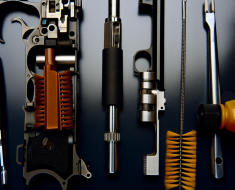
Cleaning and Maintaining Your Concealed Carry Weapon
Owning a concealed carry weapon (CCW) comes with significant responsibility. Beyond understanding firearm safety and legal regulations, proper cleaning and maintenance are critical to ensuring your weapon functions reliably when it matters most. Neglecting routine care can lead to malfunctions, decreased accuracy, and even unsafe conditions.
This comprehensive guide will explore why cleaning your CCW is essential, how often to perform maintenance, the tools you need, step-by-step cleaning procedures, and best practices for long-term care. We’ll also delve into real-world examples illustrating the consequences of poor firearm maintenance, supported by relevant statistics to emphasize the importance of regular upkeep.
Why Cleaning and Maintaining Your Concealed Carry Weapon Matters
A concealed carry weapon is often your last line of defense in dangerous situations. The reliability of your firearm can mean the difference between life and death. Therefore, keeping it in optimal condition is not just about aesthetics but crucial for safety and performance.
- Prevent Malfunctions: Dirt, carbon buildup, and debris can cause jams or misfires. According to a study by the National Shooting Sports Foundation (NSSF), approximately 20% of firearm malfunctions reported in shooting incidents are attributed to poor maintenance.
- Ensure Accuracy: A clean barrel and properly lubricated moving parts contribute to consistent bullet trajectories, which is vital for accurate shooting under pressure.
- Extend Firearm Lifespan: Regular cleaning prevents corrosion and wear, preserving the integrity of your CCW for years to come.
- Maintain Safety: A neglected firearm may have worn or damaged parts that could cause accidental discharge or failure to fire when needed.
Consider the case of a concealed carrier in Arizona who experienced a failure during an attempted self-defense scenario because their pistol’s slide was stuck due to accumulated debris from neglecting cleaning. This incident underscores the critical need for routine maintenance.
How Often Should You Clean Your Concealed Carry Weapon?
The frequency of cleaning your CCW depends on several factors including usage frequency, environmental exposure, and storage conditions. However, some general guidelines are widely accepted among firearms experts:
- After Every Use: Ideally, clean your CCW after each time it has been fired. Residue from gunpowder and primer quickly accumulates and can impact performance.
- If Stored for Long Periods: Even if unused, inspect and clean your weapon every few months. This helps prevent rust or corrosion due to humidity or temperature changes.
- If Exposed to Adverse Conditions: After exposure to rain, sweat, dust, or sand — common scenarios for concealed carriers — clean your firearm immediately.
A survey conducted by Gun Digest found that approximately 60% of concealed carriers clean their firearms only once every six months or less frequently. This is risky behavior that could compromise functionality when the weapon is most needed.
The Essential Tools and Supplies for Cleaning Your Concealed Carry Weapon
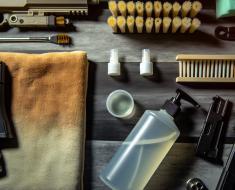
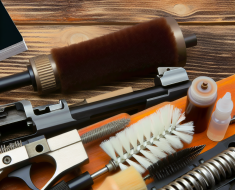
Having the right tools makes firearm maintenance more effective and efficient. Below are key supplies every concealed carrier should keep on hand:
- Cleaning Rods: Use flexible rods with appropriate attachments for brushes and patches sized to your caliber.
- Bore Brushes: Bronze or nylon brushes remove fouling inside the barrel without damaging rifling.
- Patches: Cotton patches help apply solvent and oil inside the barrel during cleaning.
- Solvent/Cleaner: Gun-specific solvents dissolve carbon buildup and powder residue effectively. Avoid harsh chemicals that can damage metal or finish.
- Lubricants/Oils: Proper lubrication reduces friction on moving parts but should be applied sparingly to avoid attracting dirt.
- Nylon Brushes & Toothbrushes: Useful for scrubbing small components like the slide rails or trigger assembly.
- Cotton Swabs/Q-tips: For reaching tight spaces where residue accumulates.
- Screwdrivers & Punch Sets: Needed if disassembly beyond basic field stripping is required (always follow manufacturer instructions).
A well-stocked cleaning kit tailored for your specific firearm model ensures you’re prepared anytime maintenance is necessary — whether at home or in the field.
A Step-by-Step Guide: How to Clean Your Concealed Carry Weapon
The exact process varies depending on make and model but generally follows these steps. Always consult your manufacturer’s manual before beginning any disassembly or cleaning procedure.
1. Safety First: Unload Your Firearm
This cannot be overstated—ensure no ammunition is present before starting!
- Eject magazine if inserted
- Lock slide back to visually inspect chamber
- If unsure about safety status at any point, stop immediately
2. Field Strip Your Weapon
This usually involves separating the slide assembly from the frame according to instructions provided by the manufacturer. This step allows access to critical components such as barrel, recoil spring, extractor, etc.
3.
Clean the barrel using a bore brush and solvent, followed by a patch to remove residue. Regular maintenance not only ensures your weapon functions properly but also extends its lifespan.