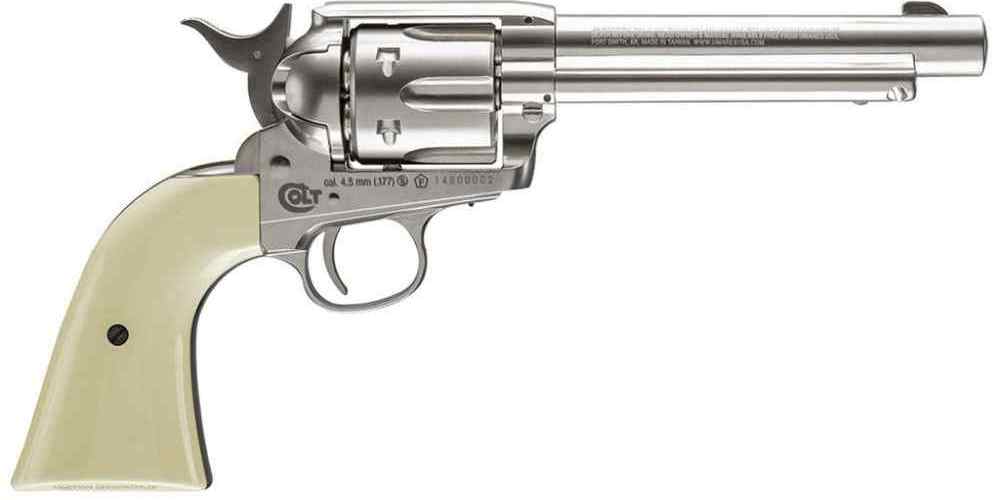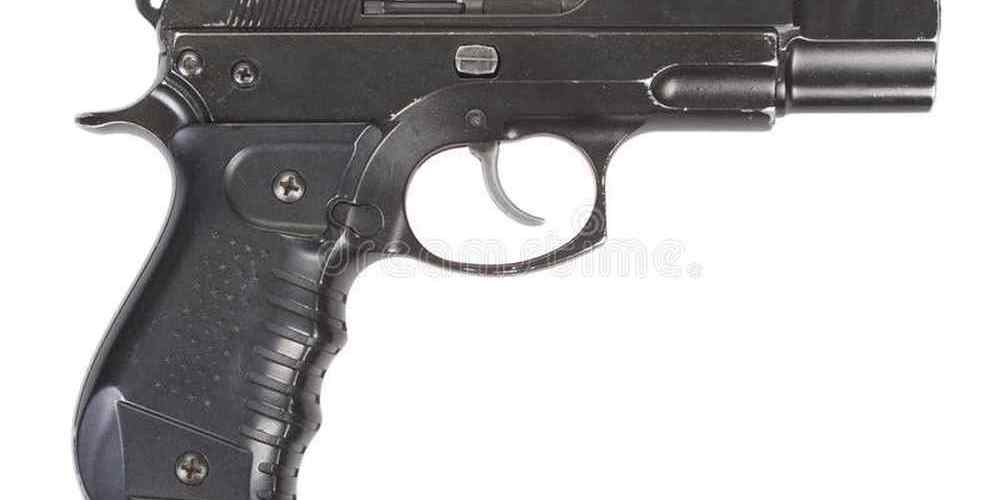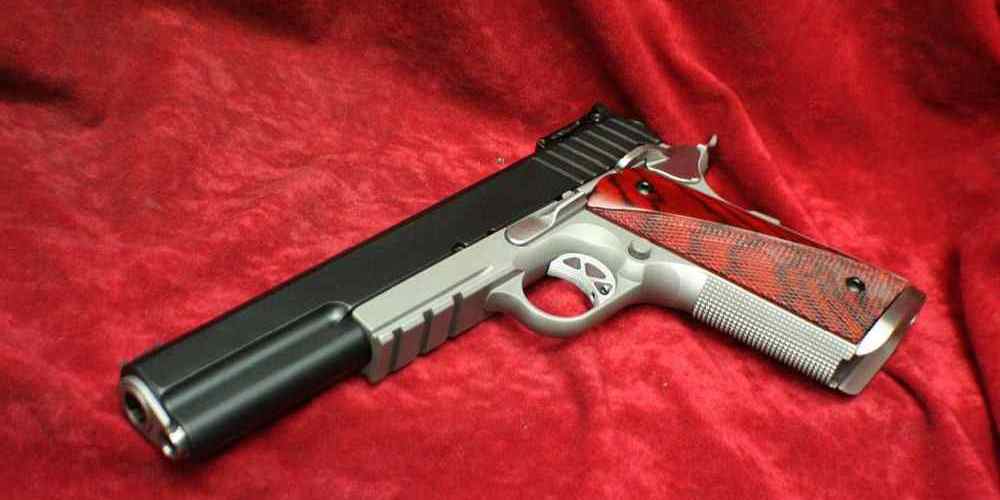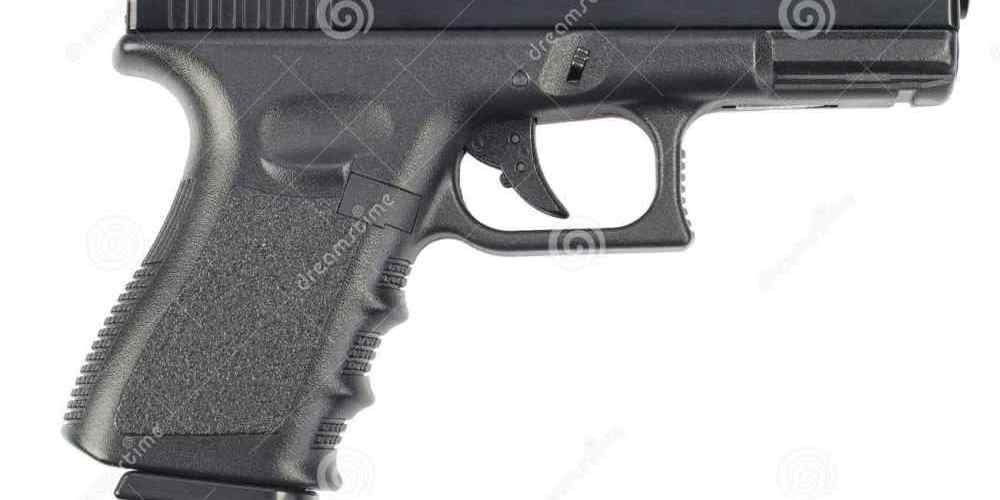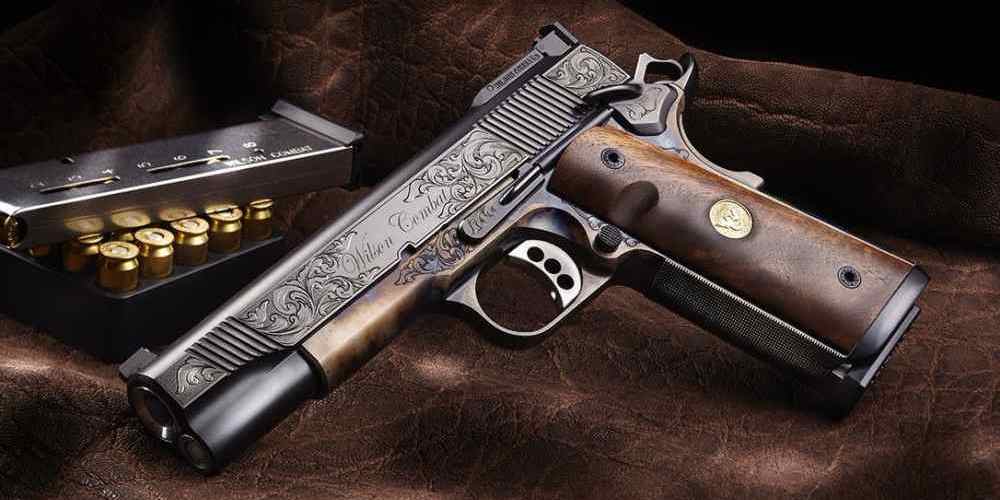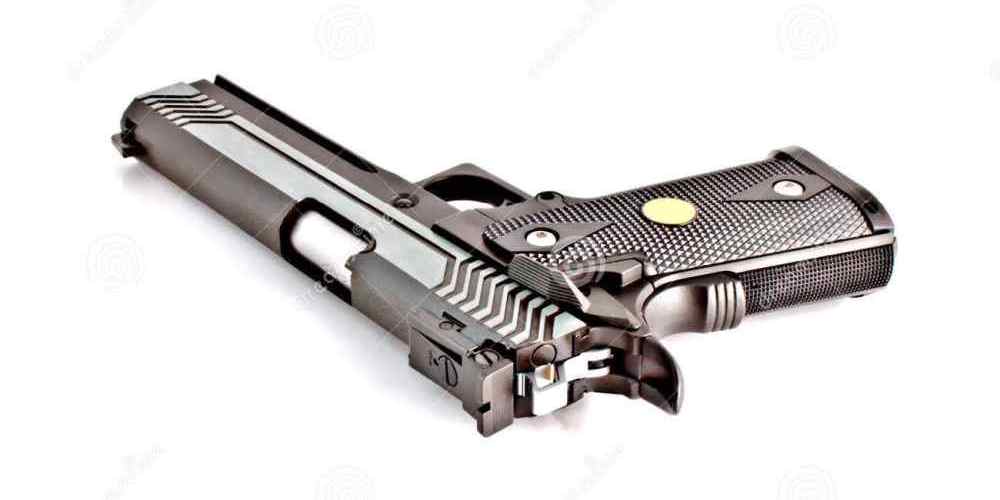
An extractor hook may be small, but it plays a big role in dependable firearm function. It grips the case rim, pulls the spent casing from the chamber, and helps set up a clean, safe ejection cycle. When that hook wears, chips, or loses tension, reliability can suffer fast. That is why a simple extractor hook inspection habit can prevent failures before they interrupt a hunt, a training session, or a critical self-defense tool.
Why Extractor Hook Checks Stop Failures Early
The extractor hook is one of those parts many owners overlook until something goes wrong. In most modern firearms, especially semi-automatic pistols, rifles, and shotguns, the extractor must hold firmly onto the cartridge rim through the full cycle of firing and extraction. If the hook is rounded, cracked, fouled, or damaged, the firearm may fail to extract, stovepipe, or throw erratic ejection patterns that signal trouble.
Early inspection catches these signs before they become real malfunctions. A visual check can reveal chips on the claw, carbon buildup, brass shavings, rust, or a weak extractor spring. Even a slight change in how the hook engages the rim can affect how the firearm feeds and cycles, which is why experienced shooters often treat extractor condition as a core part of routine maintenance rather than a rare concern.
There is also a safety angle to this habit. A firearm that does not extract properly may leave a case partially in the chamber or create a jam at the worst possible time. For responsible gun owners, preventing that kind of failure is part of good stewardship. Regular extractor checks support reliable operation, protect valuable equipment, and help ensure the firearm performs as intended when used legally and appropriately.
A Simple Inspection Habit for Reliable Cycling
A good extractor inspection does not need to be complicated. After confirming the firearm is unloaded and following the manufacturer’s safety procedures, look closely at the extractor hook with a light. Check the edge of the claw for sharpness, symmetry, and cracks, and make sure there is no excessive fouling around the breech face or extractor channel. If the extractor moves, test whether it has appropriate tension and returns smoothly.
This habit works best when paired with regular cleaning and a careful look at the ammunition you use. Dirty chambers, weak ammo, damaged rims, and improper lubrication can all mimic extractor trouble, so the goal is to spot the difference early. Hunters, competitors, and everyday carriers alike benefit from learning what normal cycling looks and feels like in their own firearm, because changes in ejection pattern or extraction force often provide the first clue that maintenance is needed.
If you notice wear, do not ignore it or force the firearm through continued use. Some extractor issues can be solved with cleaning or a spring replacement, while others may require a qualified gunsmith or an OEM replacement part. Choosing quality components matters, and firearm owners should always rely on parts that match the exact model and specifications of the gun. A short, consistent inspection routine builds confidence, supports safe operation, and helps keep a trusted firearm ready for lawful use.
The extractor hook may be a small part, but its condition has a big effect on reliability. By making inspection part of your normal maintenance routine, you can catch wear early, reduce preventable malfunctions, and keep your firearm running the way it should. For responsible gun owners, that kind of attention to detail is not optional—it is part of safe, disciplined ownership.