A handgun should run smoothly, cleanly, and predictably, but one of the most common maintenance mistakes is using too much lubricant. Many shooters assume that if a little oil is good, more must be better. In reality, over-lubricating a pistol can attract fouling, slow the action, and create the very problem you were trying to prevent: a sticky slide. For gun owners who rely on their firearms for training, hunting, or self-defense, understanding proper lubrication is part of responsible ownership and basic reliability.
The challenge is that modern handguns vary widely in design, finish, and tolerance. What works for one platform may not be ideal for another, and the wrong amount of grease in the wrong place can change how the slide cycles under recoil. This article explains why excess lubricant causes problems, how it affects real-world performance, and how to apply grease and oil correctly so your handgun stays reliable without becoming gummy or sluggish.
Why Too Much Lube Makes Slides Stick
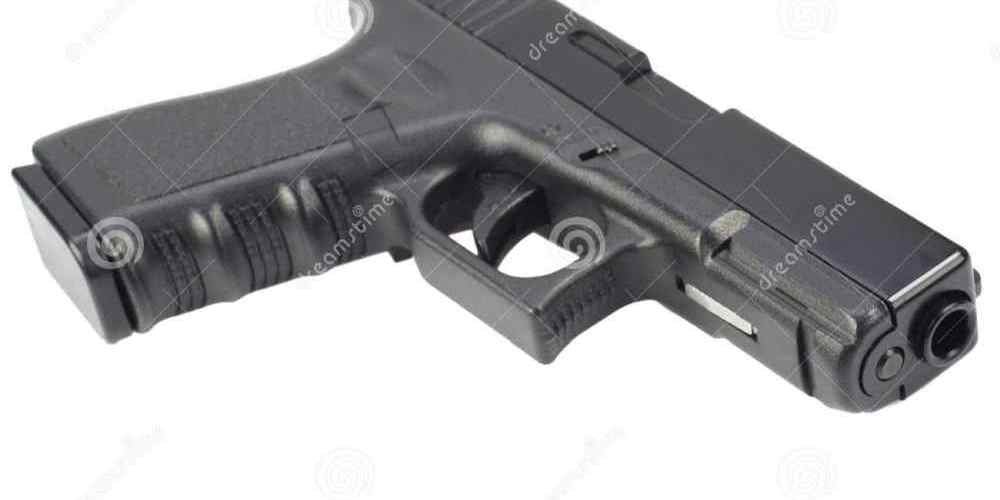
Handgun lubricants are designed to reduce friction, but they also behave like magnets for debris. When too much oil or grease is applied to a slide, it can mix with unburned powder, carbon, dust, lint, and environmental grit. Over time, that mixture thickens into a sticky paste that clings to rails, locking surfaces, and the barrel hood, increasing drag instead of reducing it. On a range gun, this may only show up as sluggish cycling; on a carry pistol, it can become a serious reliability issue.
The slide on a semi-automatic handgun is a high-speed, high-stress component. It needs to move freely and return to battery with precision after each shot. Excess lubricant can create hydraulic resistance in tight areas, especially on pistols with close tolerances or on models that already run “wet” from factory application. In colder weather, heavy grease can thicken further, making the slide feel stiff or hesitant. In hot conditions, too much lube can migrate into places it does not belong, reducing consistency and collecting more fouling.
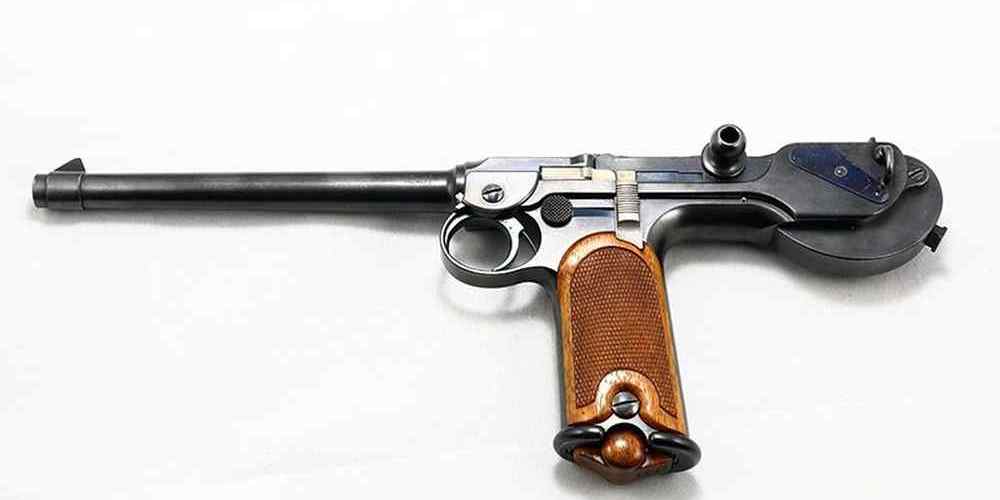
There is also a historical lesson here. Early service pistols and some older designs often tolerated heavier lubrication because of looser machining and different materials, but modern handguns are frequently engineered for balanced, minimal lubrication rather than packing surfaces with grease. That does not mean “dry” operation is ideal; it means the right amount matters more than the brand name on the bottle. A thin, controlled film on the correct contact points is typically enough to keep a slide smooth without creating a residue trap.
How to Grease Your Handgun the Right Way
Start with a clean firearm. Before applying any lubricant, field strip your handgun according to the manufacturer’s instructions, then remove old residue, carbon buildup, and debris from the slide rails, barrel exterior, and locking surfaces. A quality cleaner and a lint-free cloth or nylon brush are usually sufficient for routine maintenance. If you are unsure about disassembly or reassembly, consult the owner’s manual or work with a qualified gunsmith—safe, correct assembly is always more important than speeding through maintenance.
When applying grease or oil, think in terms of a thin film, not a coating. The most common contact points that benefit from light lubrication are the frame rails, slide rails, barrel hood, barrel lugs or locking block area, and any other manufacturer-recommended friction surfaces. A small dab of grease on the rails can be spread into a nearly invisible layer with a fingertip or swab; if you can see it pooling or collecting, there is too much. Many experienced shooters prefer grease on rail interfaces and oil for lighter pivot points, but the best choice depends on the handgun design and the conditions in which it will be used.
Finally, test and maintain with purpose. After reassembly, rack the slide a few times to distribute lubricant, then wipe away any excess that squeezes out. Pay attention during live-fire sessions: if the gun starts to feel sluggish, if residue is building up quickly, or if the slide returns to battery less positively than usual, your lubrication routine may need adjustment. For defensive firearms especially, run reliability checks with the exact ammo, magazines, and maintenance schedule you intend to use. Responsible gun ownership means keeping your handgun clean, properly lubricated, and ready to function safely when needed.
The sticky-slide problem is often less about poor equipment and more about too much of a good thing. A handgun does not need to be drenched in oil or packed with grease to run well; it needs the right lubricant in the right places, applied sparingly and maintained consistently. By avoiding over-lubrication, you reduce fouling buildup, improve reliability, and extend the life of your firearm’s moving parts.
For new owners and experienced shooters alike, the best rule is simple: clean thoroughly, lubricate lightly, and follow the manufacturer’s guidance. A well-maintained handgun should feel smooth, not greasy, and the slide should cycle with confidence rather than drag through a layer of grime. That small habit can make a major difference in performance, safety, and peace of mind.