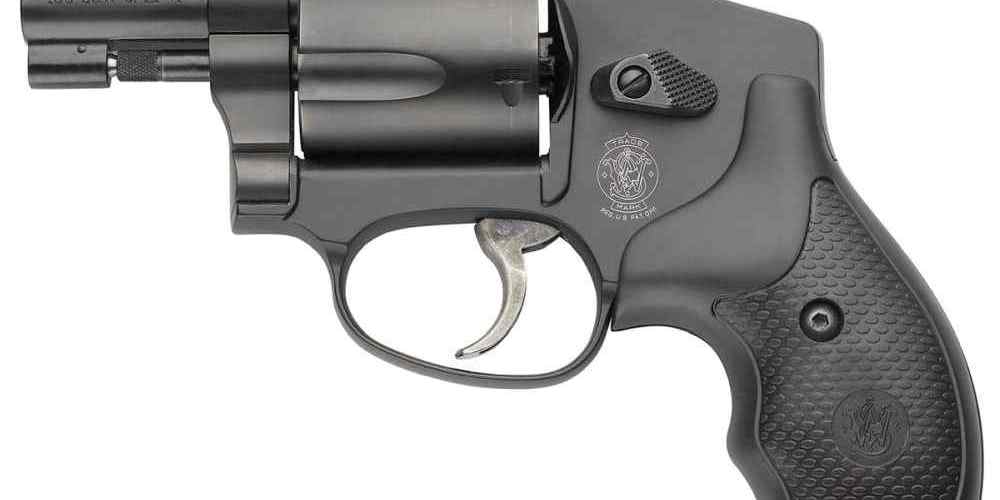
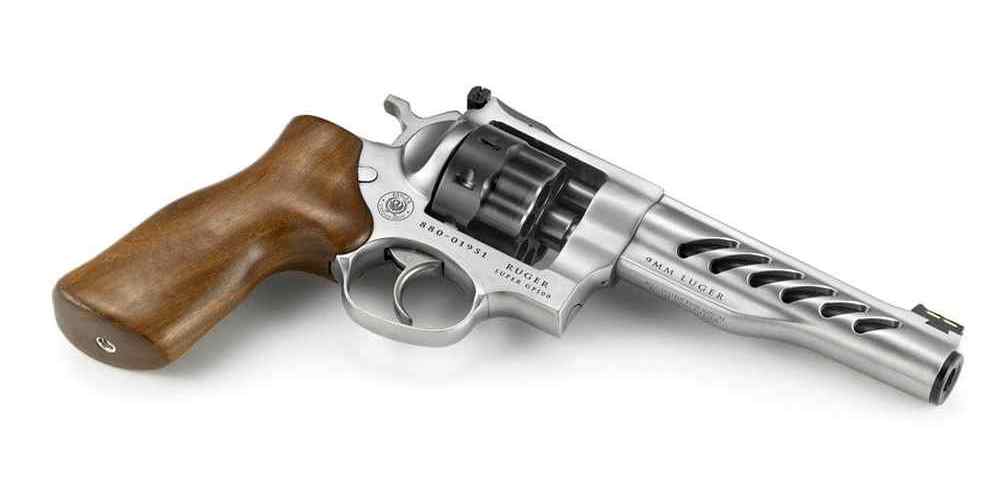
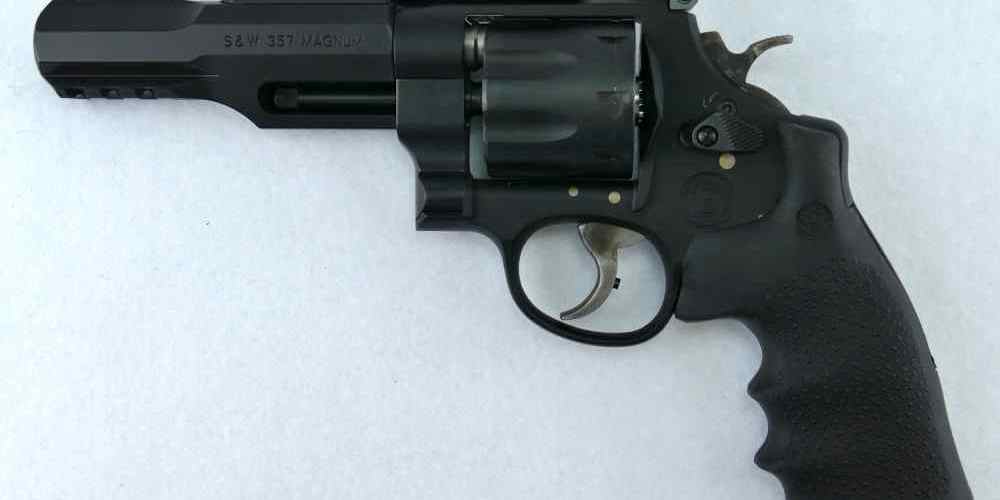
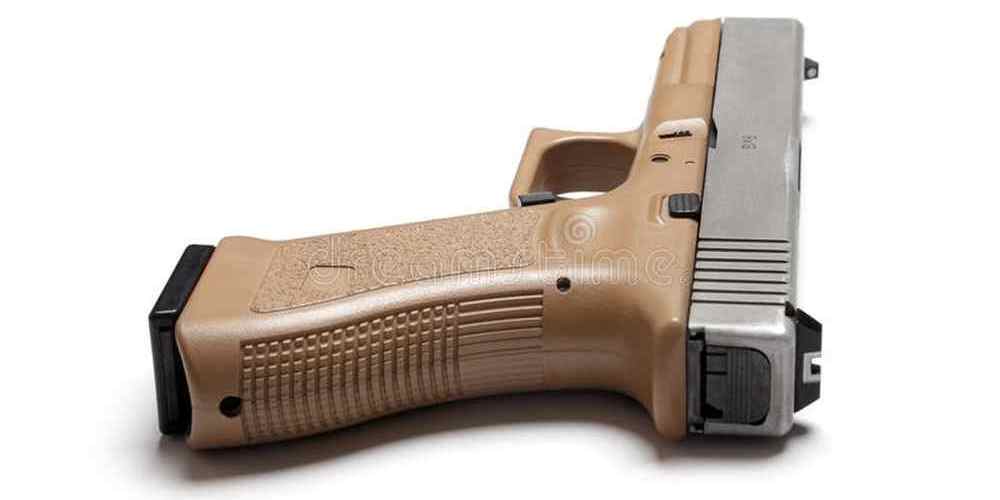
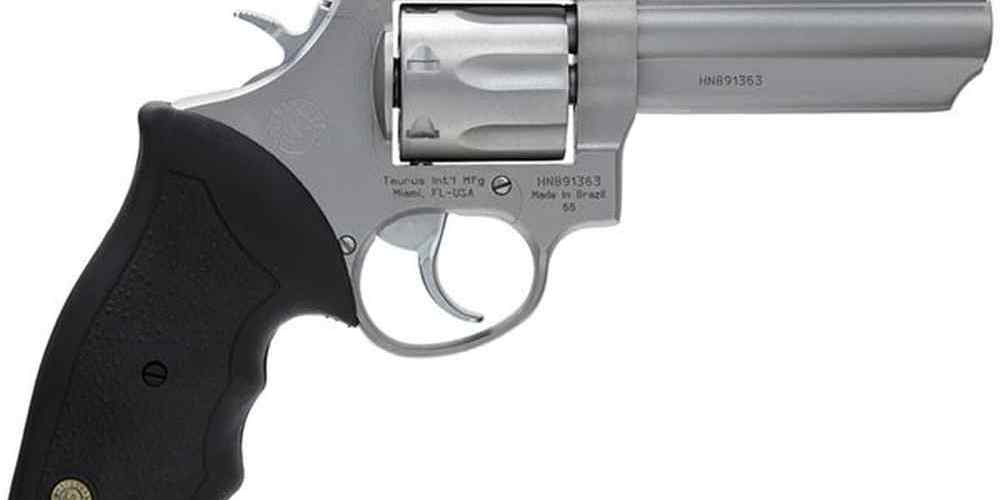
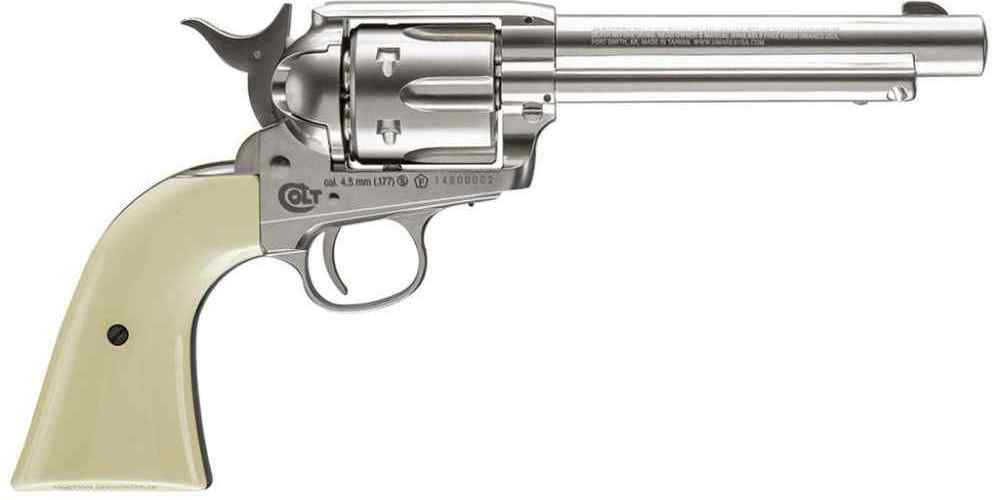
A handgun can feel like a completely different tool with one simple change: swapping the grip panels. For many owners, this is the upgrade that finally turns “good enough” into “exactly right.” It can improve control, reduce fatigue, sharpen consistency, and make an already trusted sidearm fit the hand far better than factory configuration ever did. In the world of firearms, where small differences matter, grip panels are one of the most overlooked performance upgrades.
Why a Simple Grip Panel Swap Matters
A grip panel swap matters because the interface between shooter and handgun is everything. If the grip is too slick, too bulky, or shaped poorly for your hand, you will feel it in recoil management, sight recovery, and confidence under stress. Even on high-quality pistols, factory grips are often designed to satisfy a broad range of users rather than one specific shooter. That means a different set of panels can noticeably improve how the pistol points, how steadily it tracks through recoil, and how naturally it comes on target.
Historically, grip customization has been part of handgun culture for generations. From checkered walnut on classic revolvers to modern polymer, G10, micarta, rubber, and aluminum panels, shooters have always looked for better purchase and better ergonomics. In practical terms, this is not about aesthetics alone. Competitive shooters, hunters carrying sidearms in the field, and defensive gun owners alike often discover that a subtle change in texture or thickness creates a more secure grip, especially with sweaty hands, gloves, or wet conditions.
There is also a real safety angle. A handgun that fits properly is easier to keep indexed safely, easier to control during firing, and less likely to shift in the hand during recoil. That does not replace training, of course, but it supports safer handling and more predictable performance. The key is to choose panels that improve control without compromising access to controls, concealment, or reliable operation.
Choosing Panels for Control, Comfort, and Fit
Choosing the right grip panels starts with honestly evaluating how the handgun feels in your hand and how you actually use it. If the grip is too aggressive, it may feel secure at the range but become uncomfortable during extended practice or carry. If it is too smooth, the pistol may shift during rapid fire or in adverse weather. The best panels strike a balance: secure enough for control, comfortable enough for repeated use, and shaped well enough to support a natural, repeatable grip.
Material selection plays a major role. G10 and similar composites are popular for durability and traction, especially for duty, competition, and defensive use. Rubber can be excellent for recoil cushioning, though it may add bulk and sometimes hang up on clothing if used for concealed carry. Wood panels offer classic style and can be surprisingly functional, especially when checkered properly, while aluminum and textured synthetics can provide a modern feel with excellent durability. The right choice depends on hand size, intended use, and whether you prioritize concealability, recoil control, or everyday comfort.
Fit is just as important as material. Before buying, confirm the panels are made for your exact handgun model and frame generation, since even small differences in screw spacing or frame contour can matter. Check whether the panels interfere with magazine release access, ambidextrous safeties, or grip-mounted controls. After installation, inspect the gun unloaded to ensure there is no movement, no gaps, and no interference with normal operation. A careful dry-handling check, followed by safe range confirmation, is the best way to verify that the swap truly improves the pistol rather than simply changing its appearance.
A grip panel swap may seem minor, but for many handgun owners it is the upgrade that changes how the firearm feels, handles, and performs. The right panels can enhance control, reduce strain, and make your pistol better suited to your hand and your purpose. Whether you are refining a trusted defensive handgun, tuning a hunting sidearm, or personalizing a classic range piece, thoughtful grip selection can make a meaningful difference.
As with any firearm modification, the priority should always be safety, legality, and reliability. Choose quality parts from reputable sources, verify compatibility, and test the firearm carefully and responsibly after installation. When done well, a simple grip panel swap is more than a cosmetic change—it is a practical improvement that supports better shooting and more confident ownership.