The Handgun Trigger Pull Weight Secret for Better Accuracy
For many handgun owners, accuracy feels like a mystery reserved for master shooters and expensive pistols. In reality, one of the most important factors is something simple and often overlooked: trigger pull weight. The force required to press the trigger can either help you deliver a clean shot or disturb the sight picture at the exact moment the gun fires. Understanding this relationship is one of the most practical ways to improve shooting performance.
Trigger pull weight has been part of handgun design for as long as handguns have existed, from heavy double-action revolvers to crisp single-action pistols and modern striker-fired carry guns. Each system reflects a compromise between safety, speed, control, and shootability. For responsible gun owners, learning how trigger weight affects accuracy is not about chasing the lightest possible pull—it is about finding the right balance for the firearm’s intended use and the shooter’s skill level.
This matters whether you carry for self-defense, hunt with a handgun, or spend weekends at the range. A trigger that is too heavy can cause a shooter to push, jerk, or tremble through the break, while one that is too light may feel fast but can increase the risk of unintentional discharges if handled carelessly. The real secret is not in making the trigger as light as possible, but in selecting and mastering a pull weight that supports control, consistency, and safe gun handling.
Why Trigger Pull Weight Shapes Your Accuracy
Trigger pull weight directly influences how much effort your finger must apply before the shot breaks. When the pull is heavy, shooters often unconsciously tighten their grip or disturb the alignment of the sights as they press through resistance. That extra movement can send rounds low, left, or scattered across the target depending on the shooter’s handedness and technique. A clean, steady press is far easier when the trigger matches the shooter’s strength and skill.
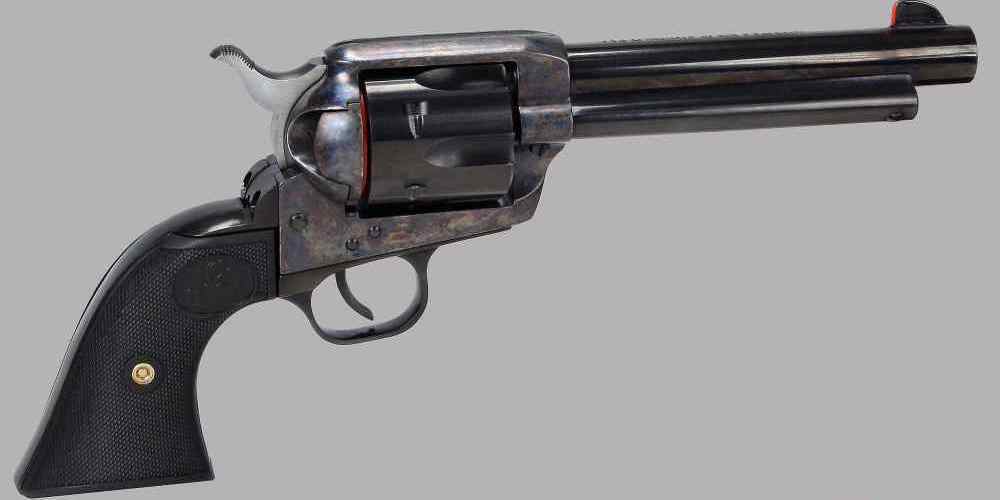
Historically, heavier trigger pulls were common in service handguns because they added a margin of safety and reduced the chance of negligent discharges under stress. Double-action revolvers, for example, often have longer and heavier pulls than single-action pistols, and many law-enforcement and defensive pistols were designed with deliberate resistance in mind. That design choice made sense for duty use, but it also meant shooters had to train harder to achieve precision. Even today, military and defensive handguns often keep moderate trigger weights for reliability and safety reasons.
The technical issue is not just weight, but also feel. A smooth 6-pound trigger can be easier to shoot accurately than a gritty 4-pound trigger because consistency matters as much as force. Overtravel, creep, and reset also affect how predictable the shot feels. A shooter who understands these elements can focus on a straight trigger press, proper grip, and follow-through instead of fighting the gun. In practical terms, better accuracy usually comes from a trigger that is smooth, consistent, and appropriate to the platform—not merely light.
Choosing the Right Pull Weight for Control
The ideal pull weight depends on the handgun’s role. For a concealed-carry pistol or home-defense sidearm, many shooters prefer a balanced trigger that is safe under stress but still manageable for accurate fire. For competition or precision target work, a lighter and cleaner pull may help with shot placement, provided the shooter is disciplined and the firearm is used in a controlled environment. For hunters using a handgun in the field, consistency and a predictable break often matter more than extreme lightness because field conditions can be cold, gloved, and demanding.
A smart way to choose is to test the firearm in realistic conditions. Shoot slow-fire groups, then practice controlled pairs and target transitions while maintaining safe muzzle discipline and a solid grip. If the trigger feels so heavy that your sights dip every time you press it, the pull weight may be working against you. If it feels unnervingly light or inconsistent, especially in a carry gun, that may be a sign to reconsider the setup. Responsible owners should prioritize reliability, legal compliance, and safe handling over internet trends or exaggerated claims.
Product-wise, many shooters benefit from factory triggers after a thorough break-in and quality training before making any modifications. If upgrades are considered, they should be done with reputable parts, verified compatibility, and careful attention to manufacturer guidance. A trigger job or aftermarket spring kit should never compromise ignition reliability or safety mechanisms. In the end, the best pull weight is the one that helps you press the trigger straight to the rear, maintain sight alignment, and fire the shot safely and consistently.
The secret to better handgun accuracy is not chasing the lightest trigger available—it is understanding how trigger pull weight affects your ability to control the shot. When the trigger matches the gun’s purpose and the shooter’s skill, accuracy becomes more repeatable and less stressful. That is why trigger evaluation should always go hand in hand with training, not replace it.
For gun owners, hunters, and defensive shooters, the most responsible approach is to choose a trigger that supports both performance and safe handling. Practice regularly, confirm reliability, and make adjustments only when they serve a clear purpose. In firearms, as in marksmanship, consistency wins: a well-understood trigger pull can be the difference between hoping for accuracy and producing it.