Choosing the right lubricant for an AR-15 may seem like a minor detail, but it has a major impact on reliability, wear, and long-term performance. Many owners assume that “any gun oil” will do, or they reach for the thickest, slickest product on the shelf thinking it must offer the best protection. In reality, the AR-15 platform has specific lubrication needs, and using the wrong product can lead to sluggish cycling, excessive fouling buildup, and unnecessary wear.
Part of the confusion comes from the sheer number of options available today. Traditional oils, greases, dry-film products, CLPs, synthetic blends, and specialty formulas all claim to improve performance. Some are excellent in the right context, but not every lubricant is suited to the AR-15’s gas-operated design, heat levels, and high-friction contact points. Understanding why many owners make the wrong choice is the first step toward better reliability and safer, more responsible firearm ownership.

Why AR-15 Lubricant Choices Go Wrong
One of the biggest reasons AR-15 owners choose the wrong lubricant is that they treat the rifle like a general-purpose tool instead of a system with specific mechanical demands. The AR platform has tight interaction between the bolt carrier group, cam pin, bolt lugs, and upper receiver rails, and these parts benefit from a lubricant that can stay in place under heat and cyclic motion. Products that work fine on a hunting bolt gun or a lightly used rimfire may break down too quickly or provide too little protection in an AR-15, especially during extended range sessions.
Another common mistake is overvaluing “dry” or “clean-running” marketing claims. Some owners want a rifle that stays spotless, so they choose a lubricant that dries rapidly or leaves minimal residue. While that sounds appealing, the AR-15 usually performs best with a visible, wet layer of lubrication on its key moving parts. A firearm that is run too dry can show more friction, more heat-related wear, and a greater chance of malfunctions when conditions become dusty, hot, or dirty. In this platform, a little residue is often a sign of proper lubrication, not neglect.
Temperature and environment also matter more than many buyers realize. A thick oil that seems excellent in a cool workshop may become sluggish in winter conditions, while a very light oil may burn off too quickly during rapid firing or sustained use. Hunters, defensive shooters, and range users face different conditions, but the same basic rule applies: the lubricant should remain effective across the temperatures and firing schedules the rifle is likely to encounter. Choosing by brand popularity alone, or by what a friend uses, often leads to mismatched performance.
Picking the Right Oil for Reliable AR-15 Use
The best lubricant for an AR-15 is usually one that balances viscosity, heat resistance, and staying power without becoming gummy or overly sticky. In practical terms, that means a quality synthetic oil or purpose-built firearm lubricant is often a strong choice for the bolt carrier group, charging handle, and other friction points. These products are designed to handle carbon fouling, repeated cycling, and high operating temperatures better than generic household oils or heavy greases that can trap debris.
It also helps to think in terms of where the lubricant will be used on the rifle. The AR-15’s bolt carrier group generally benefits from being run wetter than many new owners expect, while the exterior surfaces can use lighter protection to resist corrosion without attracting excess grit. A small amount of grease may be useful on certain contact surfaces for some setups, but it should not replace proper oiling of moving parts. The goal is controlled lubrication, not overpacking the rifle with product. Excess lubricant can collect dirt and unburned powder, so applying the right amount matters as much as choosing the right formula.
Responsible ownership means testing your chosen lubricant before relying on it. If you use the rifle for home defense, duty, competition, or hunting, function-test it after lubrication under realistic conditions and watch how it behaves in your climate. If the action feels sluggish, the rifle runs unusually dry, or fouling seems to harden quickly, reconsider the product and application method. Keep the firearm clean, follow the manufacturer’s maintenance guidance, and always verify the rifle is unloaded before servicing it. A well-lubricated AR-15 is not just smoother and more reliable—it is a better example of careful, informed firearm stewardship.
Most AR-15 owners choose the wrong lubricant because they focus on convenience, marketing, or assumptions rather than the rifle’s actual mechanical needs. The AR platform rewards proper maintenance, and lubrication is one of the simplest ways to improve reliability and reduce wear. By understanding how heat, friction, and fouling affect the system, owners can make smarter choices that support safer and more consistent performance.
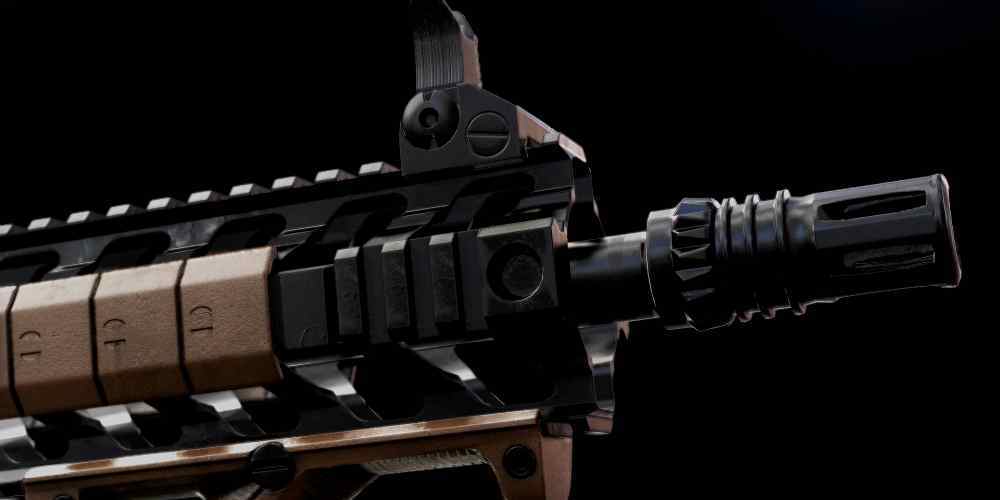
The best approach is straightforward: use a quality firearm lubricant suited to the AR-15, apply it to the right contact points, and match the product to your environment and use case. Whether your rifle is set up for range work, hunting, or defensive readiness, a little informed maintenance goes a long way. In the end, responsible ownership is not about using the most expensive bottle on the shelf—it is about choosing the lubricant that keeps your rifle running as intended, safely and dependably.