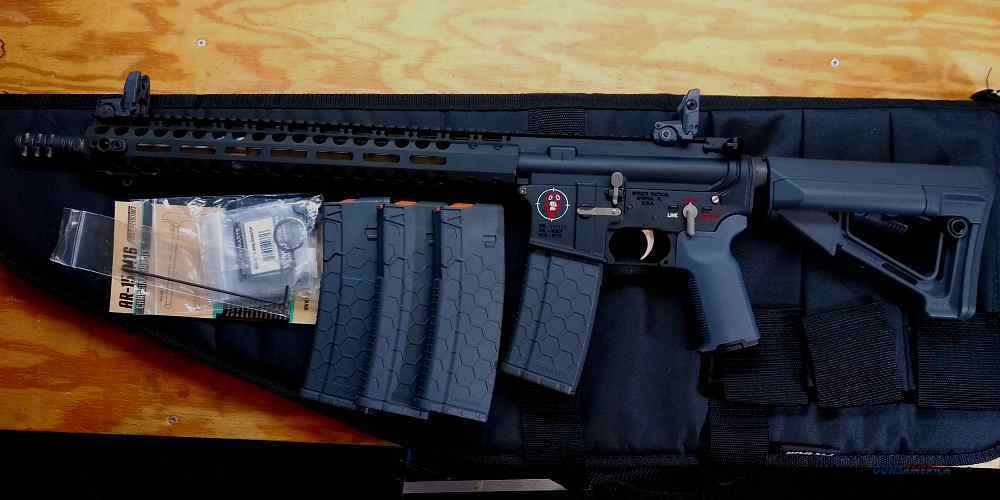
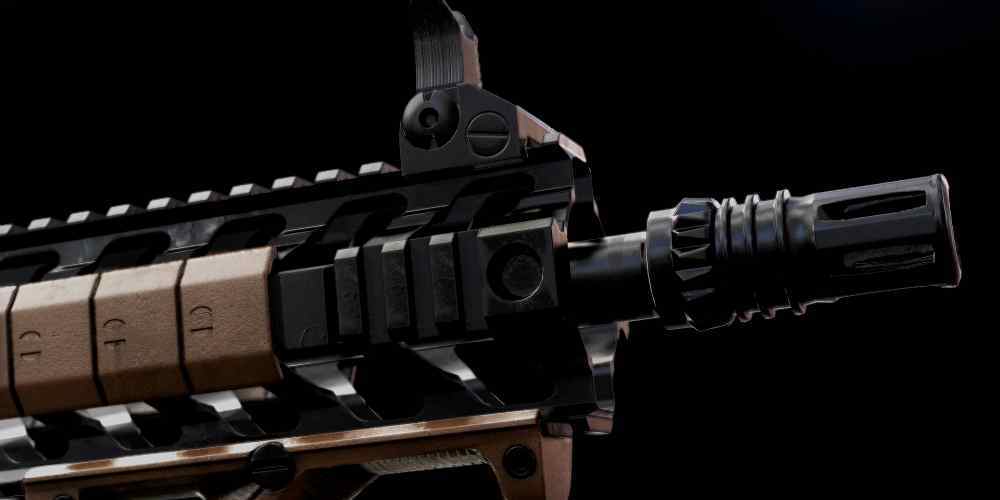
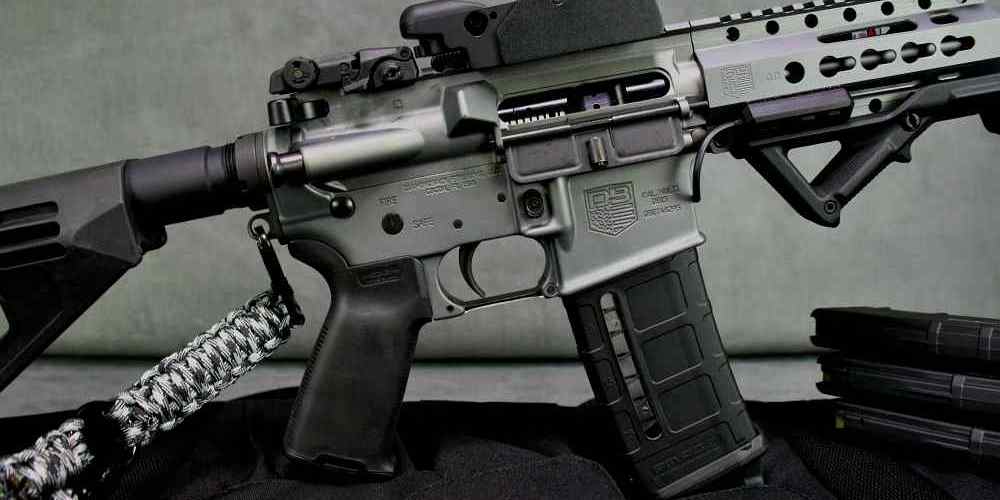
The AR-15 is known for reliability, but like any mechanical system, it performs best when its parts are matched correctly and maintained with care. One of the most common causes of stoppages in an AR-platform rifle is a mismatch in spring tension, buffer weight, and ammunition characteristics. That is why many shooters talk about a “spring combo” that helps reduce a wide range of malfunctions by improving the rifle’s cycling consistency. For responsible owners, especially those who rely on their rifle for training, hunting, or lawful defense, understanding this setup can make a real difference.
At its core, the idea is simple: the AR-15 works best when the bolt carrier group moves with the right balance of speed and resistance. If the action is overgassed, undergassed, dirty, underlubricated, or paired with a spring that is too weak or too strong, feeding and extraction problems can appear. A well-chosen spring combination does not magically fix every issue, but it can greatly improve reliability by smoothing out the recoil cycle, reducing bolt bounce, and helping the rifle feed rounds more consistently. That makes it one of the most practical upgrades an owner can consider.

Why This AR-15 Spring Combo Works So Well
The AR-15’s operating system depends on a balance between gas pressure, buffer mass, and spring resistance. When that balance is off, you may see failures to feed, failures to eject, bolt-over-base malfunctions, or sluggish cycling. A quality spring combo—usually involving a properly matched action spring and buffer system—helps the bolt carrier group move rearward and forward at the correct pace, which is crucial for reliable chambering of the next round. In many rifles, especially carbines with shorter gas systems, this balance is what separates a smooth shooter from a frustrating one.
Historically, the AR platform was designed around a specific set of dimensions and spring characteristics, but modern rifles vary widely in barrel length, gas port size, ammunition pressure, and buffer tube configuration. That means a spring that works perfectly in one rifle may be too aggressive or too soft in another. Enthusiasts often choose enhanced springs or carefully matched spring-and-buffer combinations because they can tame recoil impulse, improve lockup, and help the rifle run more consistently across different ammo types. For many users, this is especially valuable when switching between brass-cased training ammo and higher-pressure defensive loads.
It is also worth noting that the spring combo is not a standalone cure. The best results come when the rifle is clean, lubricated, and assembled correctly, with quality magazines and ammunition. Still, spring tuning can be a major reliability improvement because it addresses the cycling dynamics at the heart of the platform. In real-world use, that often means fewer nosedives during feeding, better control of bolt speed, and more dependable function when the rifle gets hot, dirty, or used hard during training.
Tuning Your Rifle for Fewer Feeding Failures
Tuning an AR-15 starts with observing the rifle’s behavior rather than guessing. If you are experiencing feeding failures, note whether the bolt is closing sluggishly, whether rounds are hitting the feed ramps incorrectly, or whether the magazine is presenting the cartridge too low or too late. Those clues help determine whether the issue lies with spring tension, buffer weight, gas system balance, or something else entirely. Responsible owners should always troubleshoot carefully and methodically, and when in doubt, consult a qualified gunsmith or the rifle manufacturer.
A smart tuning process usually begins with the basics: inspect magazines, verify proper lubrication, and confirm that the rifle is assembled to specification. From there, buffer and spring selection can be adjusted to match the rifle’s gas system and intended use. For example, a rifle with a more energetic cycling pattern may benefit from a slightly heavier buffer or an enhanced spring to slow the action and improve feeding. On the other hand, a rifle that is short-stroking may need less resistance, not more. The goal is not to make the action feel heavy; the goal is to make it cycle with controlled, repeatable authority.
For practical users, the best approach is to test changes one variable at a time and document the results. Shoot a mix of ammunition, including the load you actually intend to use, and watch for consistent ejection pattern, positive chambering, and reliable bolt lock-back on an empty magazine. This kind of careful tuning pays off because it builds confidence in the rifle without introducing unnecessary complexity. In the firearms world, reliability is not achieved by trends or hype—it comes from deliberate setup, proper maintenance, and respect for how the system is supposed to work.
The AR-15 spring combo that stops almost every malfunction is really about balance, not magic. When the spring, buffer, gas system, magazines, and ammunition are matched correctly, the rifle becomes far more dependable and easier to trust. For gun owners who value performance and safety, this is one of the most worthwhile areas to understand and fine-tune.

As with any firearm work, safety should always come first. Unload and verify the rifle is clear before inspection or maintenance, follow all local laws, and seek professional help if you are unsure about any modification. A well-tuned AR-15 is a capable, responsible tool—but only when it is maintained, tested, and used with care.