Collecting Japanese WWII Firearms: A Comprehensive Guide
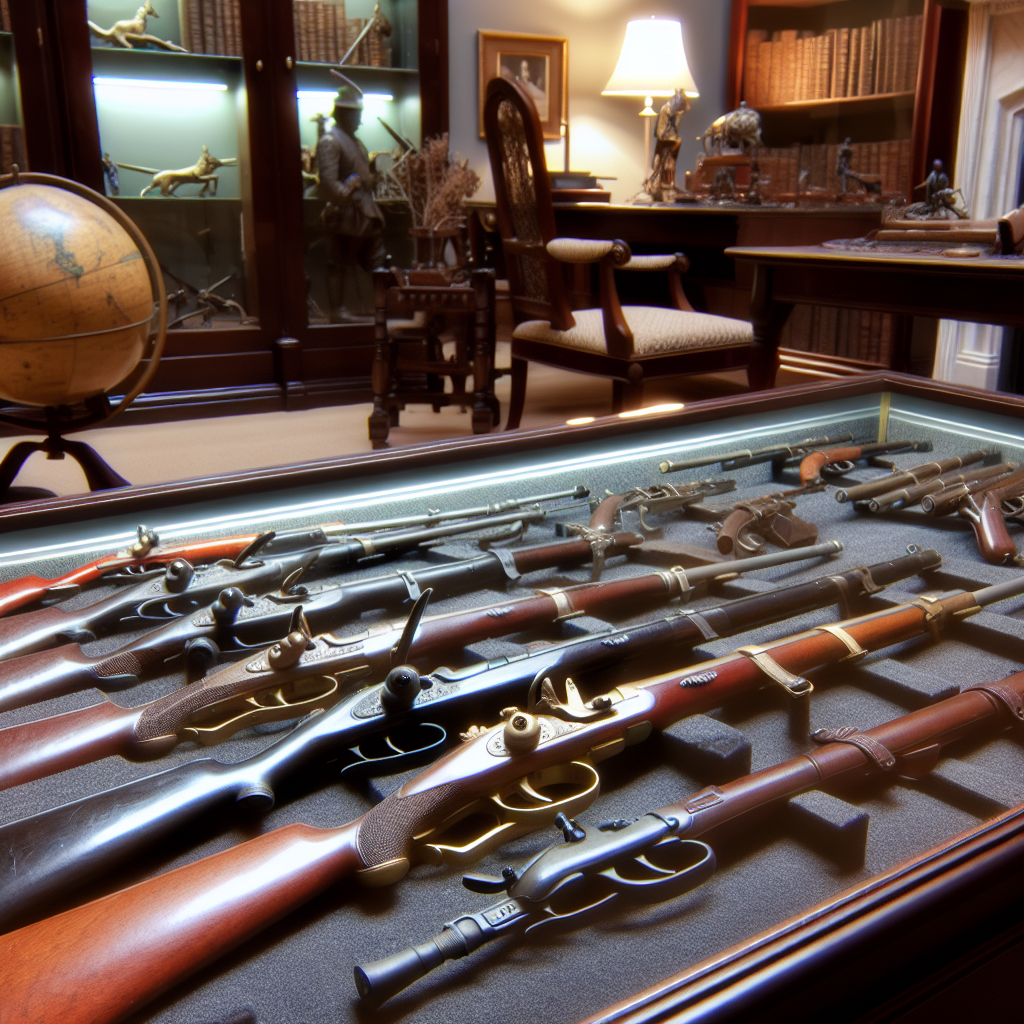
The world of firearm collecting is vast and varied, but few niches are as fascinating and historically significant as collecting Japanese WWII firearms. These weapons not only represent a crucial chapter in global military history but also embody unique technological advancements, cultural elements, and wartime experiences from the Pacific Theater. For collectors, historians, and enthusiasts alike, Japanese WWII firearms offer an intriguing window into the past.
This article explores the nuances of collecting these rare pieces, from understanding their historical context to identifying key models, assessing authenticity, and navigating legal considerations. Whether you are a seasoned collector or a curious newcomer, this guide provides valuable insights to enrich your knowledge and collecting journey.
Understanding the Historical Context of Japanese WWII Firearms
To appreciate Japanese WWII firearms fully, one must first grasp their historical backdrop. Japan’s involvement in World War II was marked by rapid military expansion and intense combat across Asia and the Pacific. The Imperial Japanese Army (IJA) and Imperial Japanese Navy (IJN) developed a range of firearms tailored for diverse combat scenarios.
Japanese weaponry reflected both indigenous design philosophies and influences from Western arms technology. Many weapons were produced domestically under strict industrial conditions while others were adaptations or licensed copies of foreign models. This duality makes them particularly interesting to collectors.
- Imperial Japanese Army: Primarily used rifles like the Arisaka series, pistols such as the Nambu models, and machine guns including the Type 96 and Type 99.
- Imperial Japanese Navy: Often equipped with different variants or naval-specific weapons such as specialized carbines or submachine guns.
Understanding this differentiation helps collectors identify provenance, intended use, and rarity among various firearms.
Key Models of Japanese WWII Firearms Worth Collecting
The diversity of Japanese WWII firearms is vast, but certain models stand out due to their historical significance, production numbers, and collector demand. Below are some of the most sought-after examples:
The Arisaka Rifles
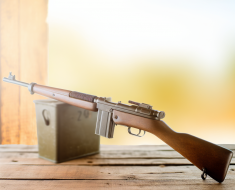
The Arisaka series represents Japan’s primary infantry rifle throughout WWII. Named after Colonel Arisaka Nariakira who designed earlier versions before the war, these rifles were reliable and robust.
- Type 38 Arisaka: Introduced in 1905, it was widely used through WWI into WWII. Chambered in 6.5x50mmSR caliber, it’s prized for its accuracy and quality steel construction.
- Type 99 Arisaka: The standard issue rifle from 1939 onwards with a larger 7.7x58mm caliber intended to improve stopping power against Allied forces. It featured improvements like a monopod and anti-aircraft sights on some variants.
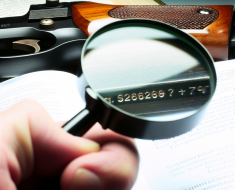
Collectors often seek rifles in good condition with matching serial numbers on bolt and receiver—an indicator of originality.
Nambu Pistols
The Nambu pistol family includes several semi-automatic handgun designs used by officers during the war. Their distinct design aesthetics make them popular among collectors despite being less effective compared to Allied handguns.
- Type A (Grandpa) Nambu: One of the earliest semi-automatic pistols used by Japan in WWI and interwar periods.
- Type B (Baby) Nambu: More compact than the Type A but less common; chambered in 8mm Nambu round.
- Type 14 Nambu: The most widely produced model during WWII; however, it was criticized for reliability issues but remains highly collectible due to its iconic status.
Machine Guns: Type 96 & Type 99
The Imperial forces employed several machine gun designs that contributed heavily to their infantry firepower:
- Type 96 Light Machine Gun: Introduced in 1936 with air-cooled features; it fired the same cartridge as the Type 38 rifle (6.5mm). It had some reliability problems in harsh jungle environments but was produced in large quantities.
- Type 99 Light Machine Gun: An improved version firing the more powerful 7.7mm cartridge; it was heavier but more effective overall.
Original examples with matching parts are prized by collectors but often hard to find due to battlefield losses and postwar destruction efforts.
The Challenges of Collecting Japanese WWII Firearms
Collecting these historic weapons presents unique challenges that differ from other militaria collections. Some key difficulties include:
- Lack of Documentation: Many Japanese military archives were destroyed during or after the war, making provenance verification difficult without detailed markings or accompanying paperwork.
- Deterioration & Condition Issues: Tropical climates where many weapons saw service caused rusting and damage; surviving specimens may be heavily corroded or missing original parts.
- Countersignatures & Modifications: Some firearms were modified postwar for civilian use or altered by occupying forces—collectors must be wary of these changes which can reduce value significantly.
- Laws & Regulations: Depending on your country or state jurisdiction, owning certain WWII-era firearms may require
Laws & Regulations: Depending on your country or state jurisdiction, owning certain WWII-era firearms may require permits or licenses, which adds another layer of complexity for collectors.
Despite these challenges, the pursuit of Japanese WWII firearms can be a rewarding endeavor for enthusiasts and historians alike.