Tactical Communication Devices for Emergency Situations
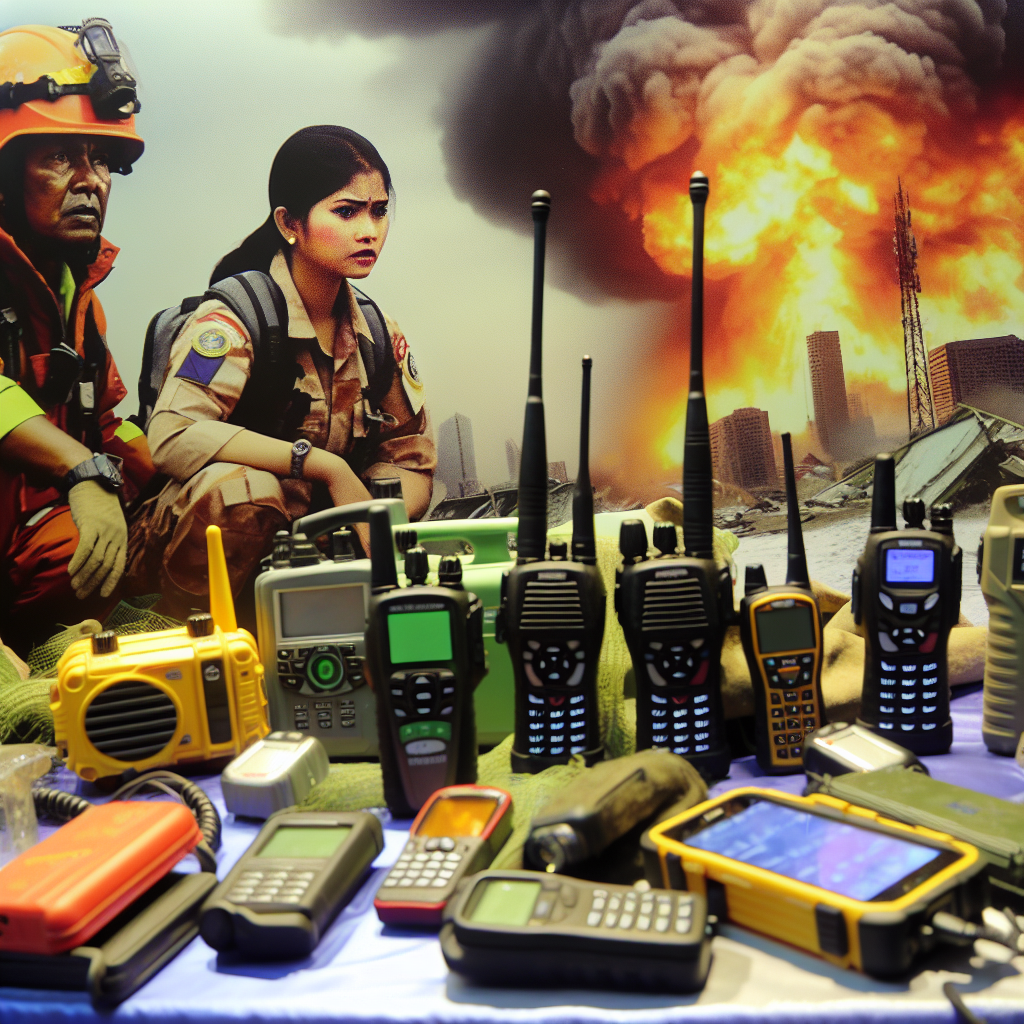
In the high-stakes environment of emergency situations, effective communication can mean the difference between life and death. Tactical communication devices have become indispensable tools for first responders, military personnel, disaster relief teams, and security professionals. These devices ensure that critical information is transmitted quickly, reliably, and securely under adverse conditions. This article explores the world of tactical communication devices used in emergencies, examining their types, features, applications, and real-world effectiveness.
The Importance of Tactical Communication in Emergencies
During emergencies—such as natural disasters, terrorist attacks, or large-scale accidents—traditional communication infrastructures often fail or become overloaded. In such scenarios, tactical communication devices provide a lifeline for coordination among teams operating in challenging environments.
Effective communication allows responders to:
- Coordinate rescue operations efficiently
- Share situational awareness in real time
- Maintain operational security and confidentiality
- Reduce response times and improve decision-making
- Ensure personnel safety through reliable contact
The Federal Emergency Management Agency (FEMA) highlights communication as one of the top challenges during disaster responses. According to a 2022 FEMA report, nearly 65% of emergency responders cited communication breakdowns as a significant obstacle during major incidents.
Types of Tactical Communication Devices
Tactical communication devices come in various forms tailored to different operational needs. Understanding their characteristics helps emergency teams select the best tools for their missions.
1. Two-Way Radios (Walkie-Talkies)
Two-way radios remain the backbone of tactical communication due to their simplicity, durability, and instant push-to-talk functionality. These devices operate on specific frequency bands such as VHF (Very High Frequency) or UHF (Ultra High Frequency), providing short to medium-range communication.
- Example: Motorola’s APX series radios are widely used by law enforcement and fire departments for encrypted voice transmission.
- Advantages: Robustness, ease of use, long battery life, and quick group calls.
- Limitations: Limited range without repeaters; susceptible to interference in urban areas.
2. Satellite Phones
When terrestrial networks are compromised or nonexistent—such as in remote disaster zones—satellite phones provide global coverage by connecting directly to satellites orbiting Earth.
- Example: Iridium satellite phones enable voice and text communications anywhere on the planet.
- Advantages: Reliable connectivity regardless of local infrastructure; ideal for remote or maritime operations.
- Limitations: Higher costs; larger device size; latency issues in voice transmission.
3. Mobile Ad Hoc Networks (MANETs)
MANET technology creates decentralized wireless networks where each device acts as both a host and router. This allows rapid deployment of secure networks without reliance on fixed infrastructure.
- Example: The U.S. Department of Defense has invested in MANET systems like the Joint Tactical Radio System (JTRS) to enable seamless battlefield communications.
- Advantages: Self-healing networks; scalability; enhanced security through encryption protocols.
- Limitations: Complex setup; power consumption; potential bandwidth constraints depending on network size.
4. Wearable Communication Devices
The rise of wearable tech has introduced smart helmets, body cameras with integrated comms, and wrist-worn radios that enable hands-free communication essential for tactical mobility.
- Example: The Recon Jet smart glasses offer augmented reality combined with voice communications for situational awareness enhancement.
- Advantages: Hands-free operation; improved ergonomics; integration with other mission-critical sensors.
- Limitations: Battery life constraints; cost barriers; need for ruggedization against harsh environments.
Critical Features of Tactical Communication Devices for Emergencies
The unique demands of emergency response require tactical devices to possess specific features that ensure performance under pressure. Key attributes include:
- DURABILITY AND WEATHER RESISTANCE: Devices must withstand extreme temperatures, moisture, dust, shocks, and drops. For instance, MIL-STD-810G certification is a common standard indicating military-grade ruggedness.
- SIGNAL RANGE AND RELIABILITY: Extended range capabilities are essential where responders spread across wide areas or operate indoors with obstacles that attenuate signals.
- AUTONOMY AND POWER MANAGEMENT: Long-lasting batteries or alternative power sources (solar charging) help maintain continuous operation during prolonged missions when recharging options are limited.
- SIGNAL ENCRYPTION AND SECURITY: Communications often involve sensitive data requiring encryption standards like AES-256 to prevent interception or tampering by adversaries or unauthorized personnel.
- EASE OF USE AND INTEROPERABILITY: Simple interfaces reduce training time and user error. Compatibility with other agencies’ equipment ensures seamless multi-agency cooperation during joint responses.</